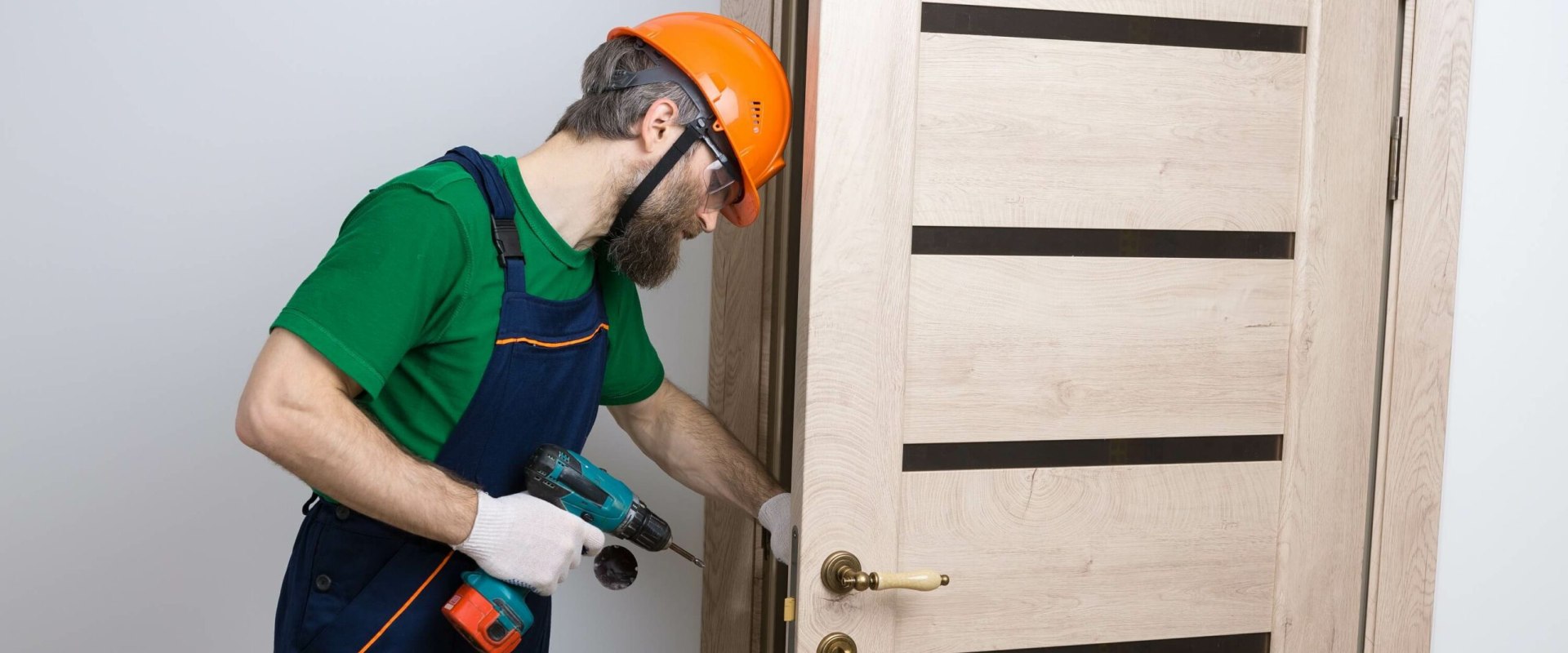
Doors are essential components of any home, providing security, privacy, and aesthetic appeal. However, they are also prone to a variety of issues that can disrupt their functionality and compromise the overall integrity of your home. Understanding these common door issues is crucial for effective home repair and maintenance. From squeaky hinges to misaligned frames, each problem can lead to more significant concerns if not addressed promptly. Many homeowners overlook the importance of regular door maintenance, often waiting until a problem becomes severe before taking action.
This can result in costly repairs or even the need for complete door replacement. By familiarizing yourself with typical door problems and their solutions, you can save time and money while ensuring your doors remain in optimal condition. Whether it’s a sticking door that won’t close properly or a drafty entryway that lets in cold air, knowing how to tackle these issues is key to maintaining a comfortable and secure home. In this article, we will explore various door repair techniques and preventative measures that can help you keep your doors functioning smoothly. By addressing these common issues proactively, you not only enhance the longevity of your doors but also contribute to the overall maintenance of your home.
Let’s dive into the most frequent door problems and discover practical solutions that every homeowner should know.
Identifying Common Door Problems
When it comes to home repair and maintenance, identifying common door problems early can save you time and money. Here are some frequent issues you might encounter:- Misalignment: Doors that do not close properly or have gaps around the edges may be misaligned. This can occur due to settling of the house or worn-out hinges.
- Sticking: A door that sticks when opening or closing is often a sign of humidity changes or swelling wood. This can lead to further damage if not addressed promptly.
- Squeaking: If your door squeaks when opened or closed, it usually indicates that the hinges need lubrication.
Ignoring this can lead to more significant wear over time.
- Damage: Look for cracks, dents, or warping in the door material. These signs can indicate that the door is compromised and may need repair or replacement.
For sticking doors, sanding down the edges or applying a weather strip can help. Addressing squeaks with a simple application of lubricant can extend the life of your door significantly. By being proactive and recognizing these door problems, you can ensure your home remains secure and functional while minimizing the need for extensive repairs in the future.
Fixing Misaligned Doors
Misaligned doors are a common issue in many homes, often resulting from settling foundations, humidity changes, or improper installation. Fortunately, fixing a misaligned door is a manageable task that can enhance both functionality and aesthetics. Here’s a step-by-step guide to help you realign your doors effectively.Tools You Will Need:
- Phillips screwdriver
- Flathead screwdriver
- Wood shims
- Level
- Tape measure
- Drill (if necessary)
Step-by-Step Guide:
- Assess the Problem: Close the door and observe where it sticks or does not align properly with the frame.
Check the top, middle, and bottom of the door for gaps.
- Check the Hinges: Inspect the hinges for any loose screws. Tighten them with a Phillips screwdriver. If the door still doesn’t align, you may need to adjust the hinge placement.
- Adjust Hinge Placement: If tightening doesn’t work, remove the hinge screws and reposition the hinges slightly. You can use wood shims to raise or lower the door as needed.
Reattach the screws securely.
- Use Shims for Support: If your door is sagging, insert wood shims behind the hinges to lift it back into alignment. This is particularly useful for doors that have settled over time.
- Test the Alignment: After making adjustments, close the door to see if it aligns properly with the frame. Use a level to ensure it hangs straight.
- Final Adjustments: If necessary, repeat the process until you achieve proper alignment. Make sure there are no gaps when the door is closed.
Keeping your doors well-maintained not only improves their functionality but also enhances your home’s overall appearance.
Addressing Sticking Doors
Sticking doors can be a frustrating issue in any home, often caused by changes in humidity, temperature fluctuations, or improper installation. Understanding the root causes of this problem is essential for effective home repair and maintenance.Here are some common reasons why doors stick:- Humidity and Moisture: Wood doors can swell in high humidity, causing them to stick.
- Temperature Changes: Extreme heat or cold can cause materials to expand or contract.
- Poor Installation: If a door is not hung correctly, it may not align properly with the frame.
- Worn Hinges: Old or rusted hinges can prevent smooth operation.
- Adjust the Hinges: Tighten or replace screws on the hinges. If the door is misaligned, you may need to shim the hinges to adjust its position.
- Sanding the Edges: If the door is swollen, gently sand down the edges that are sticking. Be sure to check frequently to avoid removing too much material.
- Weatherstripping Replacement: If your door has weatherstripping that is too thick or damaged, replacing it can help improve fit and function.
- Lubricate Hinges: Apply a silicone-based lubricant to the hinges to ensure smooth movement.
Avoid using oil-based products as they can attract dirt and grime.
Resolving Squeaky Doors
Squeaky doors can be a frustrating nuisance in any home, often disrupting the peace and quiet of your living space. Understanding the reasons behind this common issue is the first step toward finding effective door noise solutions.Typically, squeaking occurs due to friction between the door hinges and the door frame.Over time, dirt, dust, and rust can accumulate, leading to increased resistance and noise. Fortunately, fixing a squeaky door is a straightforward process that can be accomplished with minimal tools.
Steps to Fix Squeaky Doors
- Identify the Source: Open and close the door slowly to pinpoint where the squeak is coming from. This will help you focus your efforts on the right area.
- Clean the Hinges: Use a cloth to wipe away any dirt or debris from the hinges. A clean surface will help reduce friction.
- Lubricate the Hinges: Apply a suitable lubricant such as WD-40, silicone spray, or even household oils like olive oil.
Make sure to apply it directly to the hinge pins and work it in by opening and closing the door several times.
- Check for Loose Screws: Sometimes, squeaking can be exacerbated by loose screws in the hinges. Tighten any loose screws with a screwdriver to ensure everything is secure.
- Consider Replacement: If squeaking persists despite lubrication and tightening, it may be time to replace the hinges altogether. Choose high-quality hinges that are designed for durability.
Remember, addressing minor issues like squeaks promptly can prevent more significant problems down the line, making it an essential part of home repair and maintenance.
Repairing Damaged Doors
Doors are essential components of any home, providing security and privacy while also contributing to the overall aesthetic. However, they can suffer from various types of damage over time, including dents, scratches, and warping. Understanding how to repair these issues is crucial for effective home repair and maintenance.Common Types of Door Damage
- Dents: Often caused by impacts from furniture or heavy objects.
- Scratches: Can occur from pets, moving items, or general wear and tear.
- Warping: Typically results from moisture exposure or temperature changes.
Repair Techniques for Damaged Doors
Here are some effective solutions for common door damages:- Repairing Dents: For minor dents, you can use a hairdryer to heat the area slightly, followed by applying a damp cloth. The heat will help the wood expand, and the moisture can assist in reshaping it.
For deeper dents, consider using wood filler to fill in the area, then sand it smooth once dry.
- Fixing Scratches: Light scratches can often be concealed with a wood stain marker that matches your door's finish. For deeper scratches, apply a small amount of wood filler, let it dry, and sand it down until smooth. Finish with a matching paint or stain.
- Addressing Warping: If your door is warped, try tightening the hinges or adjusting the screws. In some cases, you may need to remove the door and place it on a flat surface with weight on top to help it regain its shape.
If warping is severe, replacing the door may be necessary.
Maintaining Your Doors for Longevity
Maintaining your doors is essential for ensuring their longevity and functionality. Regular upkeep can prevent common issues such as sticking, squeaking, and warping. Here are some effective door maintenance tips to help you prolong the life of your doors:- Regular Cleaning: Dust and dirt can accumulate on doors, leading to scratches and wear.
Use a soft cloth and a mild cleaner to wipe down both the surface and the edges of your doors.
- Inspect Hinges: Check the hinges for rust or wear. Apply a few drops of lubricant to keep them moving smoothly. If you notice any damage, consider replacing the hinges to avoid further issues.
- Check for Gaps: Inspect the door frame for gaps that may allow drafts or moisture in. Use weather stripping or caulk to seal these gaps, which can also improve energy efficiency.
- Adjust Alignment: If your door is sticking or not closing properly, it may be misaligned.
Tighten the screws on the hinges or adjust them slightly to ensure a proper fit within the frame.
- Refinish as Needed: Wooden doors can benefit from periodic refinishing. Sand down any rough spots and apply a fresh coat of paint or varnish to protect against moisture and UV damage.
FAQs About Door Repairs and Maintenance
When it comes to door repairs and maintenance, homeowners often have a variety of questions.Here are some of the most frequently asked questions that can help you troubleshoot common issues.
What should I do if my door won't close properly?
If your door is sticking or won't close completely, it may be misaligned. Check the hinges for any loose screws and tighten them if necessary. If the door is still misaligned, you may need to adjust the strike plate or plane the edge of the door slightly.How can I fix a squeaky door?
A squeaky door is often a sign that it needs lubrication. Apply a few drops of WD-40 or a similar lubricant to the hinges and open and close the door several times to work it in.If the squeaking persists, consider removing the hinge pins, cleaning them, and applying grease before reassembling.
What causes a door to warp?
Doors can warp due to changes in humidity and temperature. To prevent warping, ensure that your doors are properly sealed and painted. If you notice warping, you may be able to fix it by applying heat with a hairdryer or using weights to flatten the door over time.How often should I maintain my doors?
Regular maintenance is key to prolonging the life of your doors. Inspect them at least twice a year for signs of wear, such as cracks or peeling paint.Additionally, lubricate hinges and check for proper alignment during these inspections.
Can I replace a door myself?
Yes, replacing a door can be a DIY project if you have basic carpentry skills. Make sure to measure your existing door accurately and choose a replacement that fits well. Follow manufacturer instructions carefully for installation.If you have further questions about home repair and maintenance, don't hesitate to consult with a professional for more complex issues.Conclusion: Key Takeaways on Door Issues and Solutions
In summary, addressing common door issues is essential for maintaining the overall functionality and security of your home. By recognizing problems such as misalignment, sticking, and drafts, homeowners can take proactive steps to resolve these issues before they escalate.Here are some key takeaways to keep in mind:- Regular Maintenance: Regularly inspect your doors for signs of wear and tear.
Simple tasks like tightening screws, lubricating hinges, and checking seals can prevent more significant problems.
- Prompt Repairs: If you notice a door that doesn’t close properly or has gaps, address these issues immediately. Delaying repairs can lead to increased energy costs and potential security risks.
- Proper Installation: Ensure that doors are installed correctly. A poorly hung door can lead to a host of issues, including drafts and difficulty in opening or closing.
- Weatherproofing: Invest in weatherstripping and door sweeps to minimize drafts. This not only enhances comfort but also improves energy efficiency.
- Seek Professional Help: For complex issues or if you’re unsure about the repairs, don’t hesitate to consult a professional.
Their expertise can save you time and ensure the job is done right.