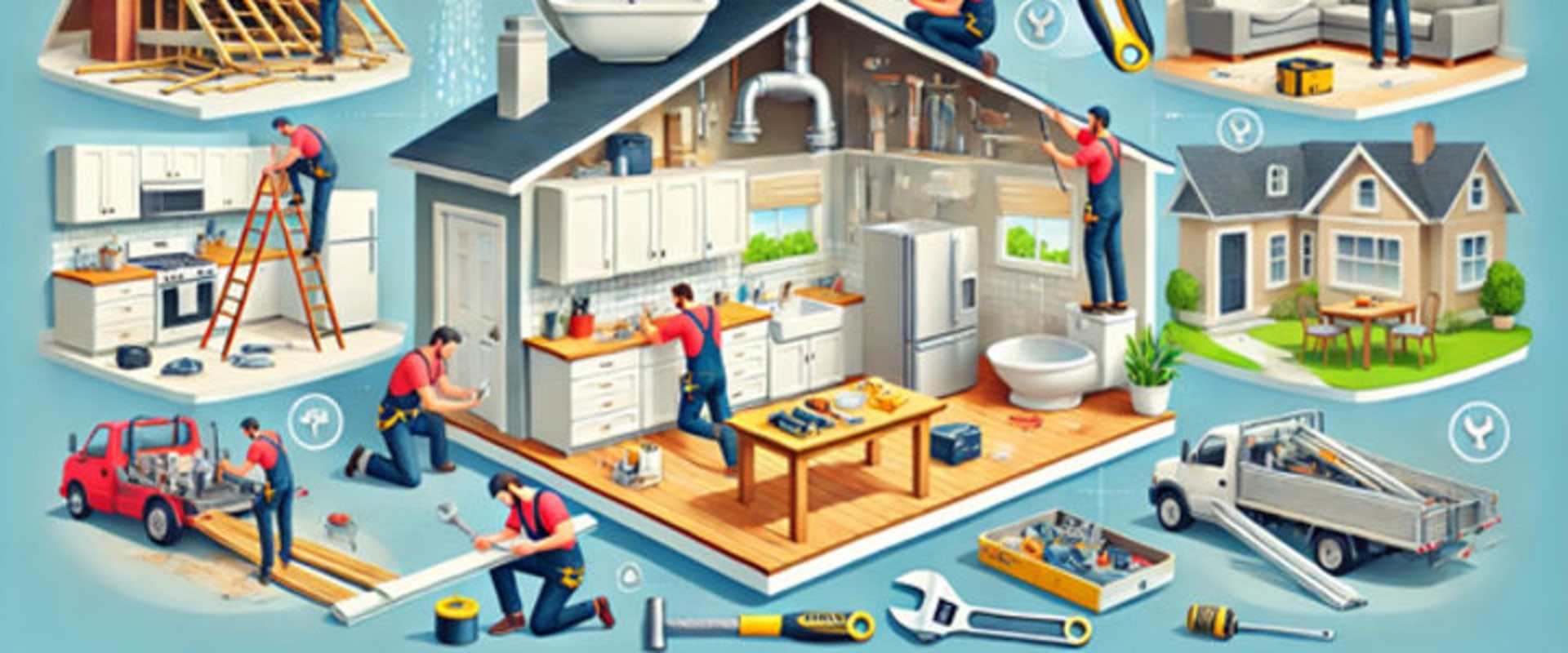
Home repair and maintenance are essential aspects of homeownership that often go overlooked until a problem arises. Understanding the significance of these tasks can save homeowners time, money, and stress in the long run. Regular maintenance not only enhances the aesthetic appeal of a home but also ensures its functionality and safety. Additionally, incorporating DIY Methods for Home Pest Extermination into your routine can help prevent infestations, further protecting your investment. Home repair and maintenance are essential aspects of homeownership that often go overlooked until a problem arises. Understanding the significance of these tasks can save homeowners time, money, and stress in the long run. Regular maintenance not only enhances the aesthetic appeal of a home but also ensures its functionality and safety. Additionally, incorporating DIY Methods for Home Pest Extermination into your routine can help prevent infestations, further protecting your investment.
From minor repairs to major renovations, being proactive about home repair and maintenance can prevent small issues from escalating into costly disasters. One of the primary reasons homeowners should prioritize home repair and maintenance is to protect their investment. A well-maintained home retains its value over time, making it more attractive to potential buyers should you decide to sell. Additionally, routine upkeep can improve energy efficiency, leading to lower utility bills and a reduced environmental footprint. Simple tasks like changing air filters, sealing windows, and checking for leaks can make a significant difference in your home's overall performance. Moreover, understanding the importance of home repair extends beyond financial implications; it also contributes to the comfort and safety of your living environment.
Neglecting necessary repairs can lead to hazardous conditions, such as mold growth or structural damage. By staying on top of maintenance tasks, homeowners can create a safe haven for themselves and their families. In this article, we will explore various common home repair and maintenance tasks that every homeowner should be aware of, ensuring that your home remains a place of comfort and security.
Routine Home Maintenance Tasks
Maintaining a home is an ongoing responsibility that requires attention to detail and regular upkeep.Routine home maintenance
tasks are essential for preserving the integrity of your property and ensuring a safe living environment.Here are some key tasks that homeowners should incorporate into their regular maintenance schedule:
- Inspect and Clean Gutters: Regularly check your gutters for debris and clogs, especially during the fall when leaves are abundant. Clean them out to prevent water damage to your roof and foundation.
- Change Air Filters: Replace HVAC air filters every 1-3 months to maintain air quality and system efficiency. This simple task can significantly reduce energy costs.
- Test Smoke and Carbon Monoxide Detectors: Monthly testing of these detectors ensures they are functioning properly. Replace batteries at least once a year.
- Check for Leaks: Inspect faucets, toilets, and under sinks for any signs of leaks.
Addressing these issues promptly can save water and prevent costly repairs.
- Maintain Landscaping: Regularly trim bushes, mow the lawn, and remove weeds to keep your yard looking its best. This not only enhances curb appeal but also prevents pest infestations.
- Spring: Check your roof for winter damage, clean windows, and service your air conditioning unit.
- Summer: Inspect outdoor plumbing, clean the grill, and check for pest control needs.
- Fall: Prepare your home for winter by sealing windows and doors, checking insulation, and servicing your heating system.
- Winter: Monitor indoor humidity levels, check for ice dams on the roof, and ensure that heating systems are functioning efficiently.
Common Interior Repairs
When it comes to home repair and maintenance, addressing common interior repairs is essential for maintaining a safe and comfortable living environment. Here are some of the most frequent tasks homeowners encounter:Fixing Drywall
Drywall damage can occur due to various reasons, such as accidental impacts or water leaks.To repair small holes, you can use a drywall patch kit. For larger holes, follow these steps:
- Cut a square around the damaged area.
- Insert a piece of new drywall, securing it with screws.
- Apply joint compound over the seams and sand it smooth once dry.
- Finish by painting to match the surrounding wall.
Plumbing Repairs
Plumbing issues can range from minor leaks to major pipe bursts. Here are some common plumbing repairs:- Fixing Leaky Faucets: Often caused by worn-out washers, simply replace the washer or cartridge to stop the leak.
- Unclogging Drains: Use a plunger or a drain snake for minor clogs. For stubborn blockages, consider using a mixture of baking soda and vinegar followed by hot water.
- Repairing Running Toilets: Check the flapper valve and float mechanism; adjusting or replacing these parts can often resolve the issue.
Electrical Repairs
Electrical issues can pose safety hazards, so it's crucial to address them promptly.Common tasks include:
- Replacing Light Switches: Turn off power at the circuit breaker, remove the old switch, and connect the new one following the same wiring configuration.
- Fixing Outlets: If an outlet is not working, check for tripped breakers or loose connections before replacing it.
Exterior Home Maintenance and Repairs
Maintaining the exterior of your home is crucial for preserving its value and ensuring its longevity. Regular exterior home maintenance tasks can prevent costly repairs down the line and enhance your home's curb appeal.Roof Inspections
Your roof is your home's first line of defense against the elements. Regular inspections are essential to identify potential issues before they escalate.Here are some key points to consider:
- Check for missing or damaged shingles: Look for any signs of wear, such as curling, cracking, or missing shingles.
- Inspect flashing: Ensure that the metal flashing around chimneys and vents is intact to prevent leaks.
- Look for moss or algae growth: These can trap moisture and lead to roof damage.
Siding Maintenance
The siding of your home not only contributes to its aesthetic appeal but also protects it from weather damage. Regular maintenance can help you avoid significant repairs:- Clean your siding: Use a pressure washer or a soft brush with soapy water to remove dirt, mold, and mildew.
- Inspect for cracks or holes: Check for any damage that could allow moisture to seep in, and repair it promptly.
- Repaint or stain as needed: Keeping your siding painted or stained helps protect it from the elements.
Gutter Cleaning
Clogged gutters can lead to water damage on your roof and foundation. Regular cleaning is essential:- Remove debris: Clear leaves, twigs, and other debris from gutters at least twice a year.
- Check downspouts: Ensure that downspouts are clear and directing water away from your foundation.
- Consider gutter guards: Installing guards can reduce the frequency of cleaning needed.
Seasonal Maintenance Checklists
Maintaining your home is a year-round commitment, and having a seasonal maintenance checklist can help you stay organized and proactive. Here’s a breakdown of essential tasks to tackle each season.Spring Maintenance Tasks
- Inspect the Roof: Check for any damage from winter storms, including missing shingles or leaks.
- Clean Gutters: Remove debris to ensure proper drainage and prevent water damage.
- Service HVAC Systems: Schedule a professional check-up for your air conditioning unit to prepare for warmer months.
- Check Windows and Doors: Inspect seals and weather stripping to improve energy efficiency.
- Test Smoke Detectors: Replace batteries and ensure all detectors are functioning properly.
Summer Maintenance Tasks
- Inspect Outdoor Spaces: Check decks, patios, and fences for wear and tear, making necessary repairs.
- Maintain Landscaping: Trim trees and shrubs, and ensure irrigation systems are working effectively.
- Clean Outdoor Furniture: Remove dirt and mildew to extend the life of your patio furniture.
Fall Maintenance Tasks
- Prepare Heating Systems: Have your furnace inspected and cleaned before the cold weather sets in.
- Winterize Outdoor Faucets: Drain and cover outdoor hoses to prevent freezing.
- Inspect Insulation: Check attic insulation to ensure your home stays warm during winter months.
Winter Preparation
- Check for Drafts: Use caulk or weather stripping to seal any gaps around windows and doors.
- Stock Up on Supplies: Ensure you have ice melt, shovels, and other winter essentials ready for snow removal.
- Create an Emergency Kit: Prepare a kit with essentials like flashlights, batteries, food, and water in case of severe weather.
DIY vs.
Hiring ProfessionalsWhen it comes to home repair and maintenance, homeowners often face the dilemma of whether to tackle repairs themselves or hire a professional. Each option has its own set of advantages and disadvantages that can significantly impact both the outcome of the repair and the homeowner's wallet.
DIY Home Repairs
Engaging in DIY home repairs can be a rewarding experience. It allows homeowners to save money on labor costs and gain a sense of accomplishment. Simple tasks such as painting, minor plumbing fixes, or replacing light fixtures can often be handled without professional help.Additionally, there are countless resources available online, including tutorials and videos, that can guide homeowners through various projects.
- Pros of DIY:
- Cost savings on labor.
- Flexibility in scheduling repairs.
- Opportunity to learn new skills.
- Cons of DIY:
- Time-consuming, especially for complex tasks.
- Risk of making mistakes that could lead to further damage.
- Lack of expertise in specialized areas.
When to Hire a Professional
While DIY can be beneficial, there are certain situations where hiring a professional is the best course of action. For complex repairs such as electrical work, major plumbing issues, or structural repairs, the expertise of a licensed contractor is invaluable. Professionals not only have the necessary skills but also carry insurance and warranties that protect homeowners from potential liabilities.- Reasons to hire a professional:
- Complexity of the repair exceeds personal skill level.
- Time constraints make DIY impractical.
- Need for specialized tools or equipment.
On the other hand, hiring professionals may involve higher upfront costs but can save money in the long run by ensuring the job is done correctly the first time.
Frequently Asked Questions about Home Repair and Maintenance
Homeowners often have a myriad of questions regarding home repair and maintenance. Here are some of the most frequently asked questions that can help you navigate your home care tasks more effectively.- What are the most common home repair tasks?
Common tasks include fixing leaky faucets, patching drywall, unclogging drains, and replacing light fixtures. Regularly checking for signs of wear and tear can help you address these issues before they escalate. - How often should I perform home maintenance?
It’s advisable to conduct a thorough inspection of your home at least twice a year. Seasonal maintenance tasks, such as cleaning gutters in the fall and checking your heating system before winter, are crucial for preventing larger issues. - What should I do if I find mold in my home?
If you discover mold, it’s important to address it immediately.Small areas can often be cleaned with a mixture of water and detergent, but larger infestations may require professional remediation to ensure safety.
- How can I prevent plumbing issues?
Regularly inspect your pipes for leaks, avoid pouring grease down the drain, and ensure that your drains are clear of debris. Additionally, consider insulating pipes in colder months to prevent freezing. - What are some tips for maintaining my HVAC system?
Change your air filters every 1-3 months, schedule annual professional inspections, and keep the outdoor unit clear of debris. These steps can enhance efficiency and prolong the lifespan of your system.
Conclusion: The Importance of Regular Home Repair and Maintenance
In conclusion, regular home repair and maintenance is not just a matter of aesthetics; it is essential for preserving the value and safety of your property.By staying proactive with repairs, homeowners can prevent minor issues from escalating into major problems that require costly interventions.Throughout this article, we have explored various common tasks that contribute to effective home maintenance, including:
- Routine inspections of roofs, plumbing, and electrical systems
- Seasonal maintenance such as gutter cleaning and HVAC servicing
- Addressing wear and tear on windows, doors, and flooring
- Landscaping upkeep to prevent damage from overgrown vegetation
Remember, a well-maintained home is not just about comfort; it’s about safeguarding your investment for years to come.