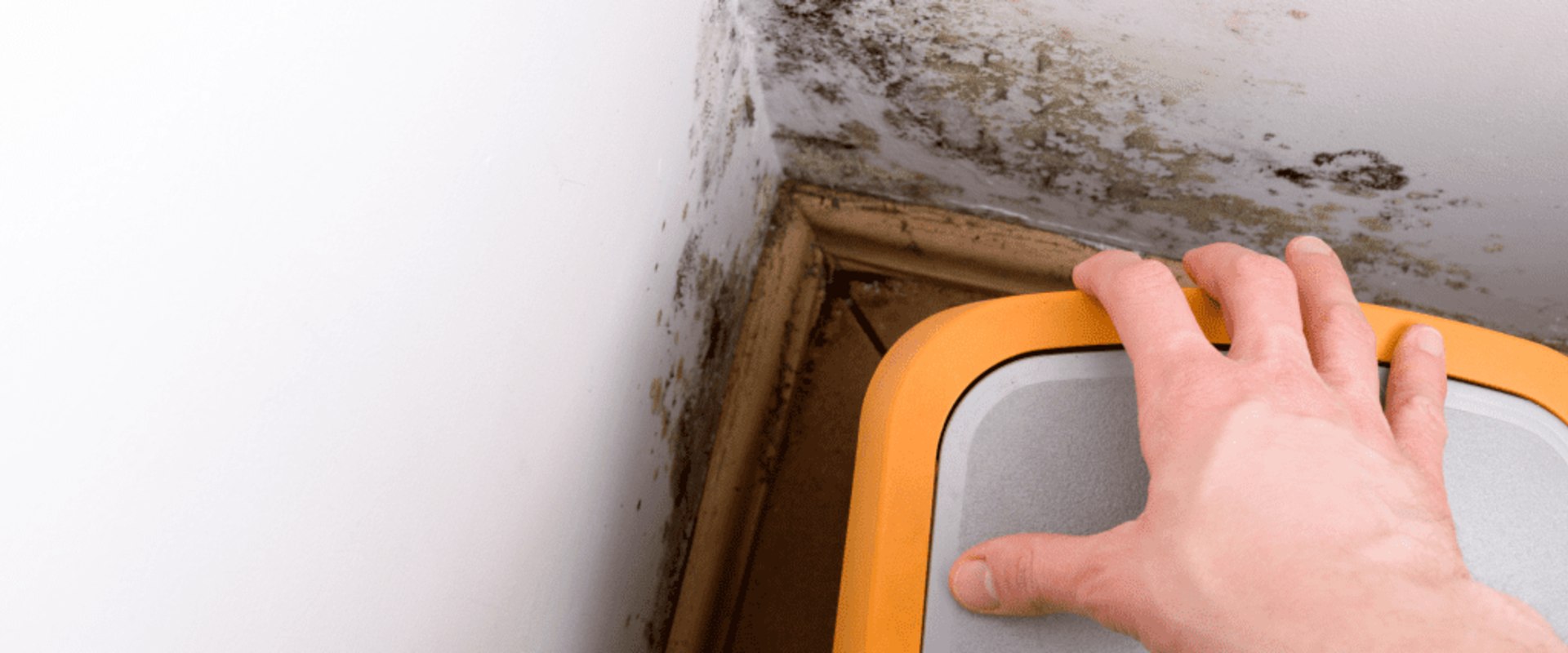
Mold and mildew are more than just unsightly nuisances; they are pervasive fungi that can thrive in damp, warm environments within our homes. Understanding the causes of these organisms is essential for effective prevention. Mold spores are present in the air and can settle on surfaces when moisture is available. Common sources of moisture include leaks, high humidity, and condensation, which can occur in areas like bathrooms, kitchens, and basements.
When these conditions persist, mold can grow rapidly, leading to potential health hazards. The risks associated with mold and mildew extend beyond mere aesthetics. Exposure to mold can trigger a range of health issues, particularly for individuals with respiratory conditions, allergies, or weakened immune systems. Symptoms may include coughing, sneezing, skin irritation, and even more severe reactions in sensitive individuals. Furthermore, certain types of mold produce mycotoxins that can pose serious health risks if inhaled or ingested.
This makes it crucial to address any signs of mold growth promptly. In the context of home repair and maintenance, understanding these risks underscores the importance of proactive measures. By identifying potential sources of moisture and implementing effective prevention strategies, homeowners can safeguard their living spaces against the detrimental effects of mold and mildew. This not only protects the health of occupants but also preserves the integrity of the home itself.
Identifying Areas Prone to Mold Growth
Understanding where mold and mildew are likely to thrive in your home is crucial for effective home repair and maintenance. Certain areas are more susceptible to moisture, making them prime locations for mold growth.Here are some common hotspots to inspect:
- Bathrooms: The combination of high humidity and frequent water use makes bathrooms a leading area for mold. Pay special attention to shower curtains, tiles, and grout lines.
- Kitchens: Kitchens often have moisture from cooking and dishwashing. Check under sinks, around refrigerators, and behind appliances where spills may occur.
- Basements: Basements are typically cooler and can retain moisture, especially if they are not well-ventilated. Look for signs of water leaks or condensation on walls.
- Attics: Poor ventilation in attics can lead to moisture buildup, particularly if there are roof leaks or insufficient insulation.
- Windows and Doors: Condensation can form on windows and doors, especially during temperature changes.
Regularly inspect seals and frames for any signs of mold.
Controlling Humidity Levels in Your Home
Controlling humidity levels in your home is essential for preventing the growth of mold and mildew. High humidity can create an ideal environment for these unwanted guests, so implementing effective strategies to manage moisture is crucial.One of the most effective ways to control humidity is by using dehumidifiers.These devices work by extracting excess moisture from the air, making your home less hospitable to mold spores. When selecting a dehumidifier, consider the size of the area you need to treat. A unit with a higher capacity will be more effective in larger spaces, while smaller units are suitable for bedrooms or bathrooms.In addition to dehumidifiers, proper ventilation plays a significant role in maintaining optimal humidity levels. Here are some tips to improve ventilation in your home:
- Open windows: Whenever weather permits, open windows to allow fresh air to circulate and reduce indoor humidity.
- Use exhaust fans: Install exhaust fans in high-moisture areas such as kitchens and bathrooms.
These fans help expel humid air outside, especially during cooking or showering.
- Check vents: Ensure that air vents are not blocked by furniture or other obstructions. Proper airflow is essential for effective ventilation.
- Consider air conditioning: Air conditioning units not only cool your home but also help reduce humidity levels. Make sure your AC system is well-maintained for optimal performance.
You can use a hygrometer to keep track of these levels and adjust your dehumidifier or ventilation methods accordingly.By implementing these strategies for humidity control, you can significantly reduce the risk of mold and mildew growth in your home, ensuring a healthier living environment for you and your family.
Proper Ventilation Techniques for Mold Prevention
Proper ventilation is crucial in maintaining a healthy home environment and preventing the growth of mold and mildew. Here are some effective strategies to improve air circulation throughout your home:- Utilize Exhaust Fans: Install exhaust fans in high-moisture areas such as kitchens and bathrooms. These fans help to expel humid air outside, reducing moisture levels that can lead to mold growth.
- Open Windows: Whenever weather permits, open windows to allow fresh air to circulate. This simple act can significantly lower indoor humidity levels.
- Use Dehumidifiers: In particularly damp areas like basements, consider using a dehumidifier.
This device helps to remove excess moisture from the air, making it less conducive for mold.
- Ensure Proper Airflow: Arrange furniture away from walls and vents to promote better airflow. Blocked vents can trap moisture and create stagnant air pockets.
- Regularly Change HVAC Filters: Keeping your heating, ventilation, and air conditioning (HVAC) system in good condition is essential. Regularly changing filters ensures that the system operates efficiently and helps maintain optimal air quality.
- Seal Cracks and Openings: Inspect your home for any cracks or openings where moisture can enter. Sealing these gaps can help keep humidity levels in check.
- Avoid Carpet in Moist Areas: Carpets can trap moisture, making them a breeding ground for mold.
Opt for tile or hardwood flooring in areas prone to dampness.
- Monitor Indoor Humidity Levels: Use a hygrometer to keep track of indoor humidity. Aim for levels between 30% and 50% to minimize mold risk.
Regular Home Maintenance Practices
To effectively prevent mold and mildew in your home, adopting regular home maintenance practices is essential. These practices not only enhance the longevity of your property but also create a healthier living environment.Routine Inspections
- Conduct regular inspections of areas prone to moisture, such as bathrooms, kitchens, and basements. Look for signs of water damage, such as discoloration on walls or ceilings.
- Check for leaks in plumbing fixtures, roofs, and windows.
Even small leaks can lead to significant mold growth if left unaddressed.
- Inspect your HVAC system regularly. Ensure that filters are clean and that there is no moisture buildup in ducts.
Water Damage Repairs
- If you discover any leaks or water damage during your inspections, address them immediately. Repairing leaks promptly can prevent mold spores from taking hold.
- Consider using a dehumidifier in areas with high humidity levels to reduce moisture in the air.
Mold Prevention Checklist
- Keep gutters clean to ensure proper drainage away from your home.
- Seal windows and doors to prevent water intrusion during rainstorms.
- Use mold-resistant products, such as paints and drywall, especially in moisture-prone areas.
- Ensure proper ventilation in bathrooms and kitchens by using exhaust fans or opening windows when cooking or showering.
Using Mold-Resistant Products in Home Repair
When it comes to home repair and maintenance, utilizing mold-resistant products is a proactive approach to preventing mold and mildew growth.These specialized materials are designed to inhibit the development of mold, making them ideal for areas prone to moisture.Here are some key mold-resistant materials you should consider incorporating into your home:
- Mold-Resistant Drywall: This type of drywall is treated with a special coating that prevents moisture absorption, making it less hospitable for mold growth. It’s particularly useful in bathrooms and kitchens.
- Mold-Resistant Paint: Applying a mold-resistant paint can provide an additional layer of protection on walls and ceilings. These paints contain antimicrobial agents that help prevent mold spores from settling.
- Mold-Resistant Insulation: Insulation materials that resist moisture can significantly reduce the risk of mold in attics and crawl spaces. Look for fiberglass insulation with a vapor barrier.
- Mold-Resistant Flooring: When selecting flooring, consider options like vinyl or tile, which are less likely to absorb moisture compared to carpet.
Some manufacturers also offer mold-resistant variants of laminate flooring.
- Mold-Resistant Caulk and Sealants: Use these products in areas where water is likely to accumulate, such as around sinks, tubs, and windows. They help seal gaps and prevent moisture intrusion.
Cleaning and Disinfecting to Prevent Mold Recurrence
To effectively prevent mold and mildew in your home, cleaning and disinfecting surfaces regularly is essential.Mold thrives in damp, dark environments, so maintaining a clean and dry home is crucial. Here are some cleaning tips to help you keep mold at bay:
- Regular Dusting: Dust surfaces frequently to remove spores that can lead to mold growth. Use a damp cloth to trap dust instead of spreading it around.
- Vacuum with HEPA Filters: Invest in a vacuum cleaner equipped with HEPA filters to effectively capture mold spores and allergens from carpets and upholstery.
- Wash Fabrics: Regularly wash curtains, bedding, and other fabrics in hot water to eliminate any potential mold spores.
- Use Vinegar: White vinegar is a natural disinfectant that can kill about 82% of mold species. Spray undiluted vinegar on affected areas, let it sit for an hour, then wipe clean.
- Baking Soda Solution: Mix one quarter of a tablespoon of baking soda with water in a spray bottle. This not only helps remove mold but also prevents its return.
After scrubbing the area, rinse with water and spray again with the baking soda solution to keep it mold-free.
- Commercial Mold Removers: For severe infestations, consider using commercial mold removal products. Always follow the manufacturer’s instructions for safe and effective use.
FAQs About Mold and Mildew Prevention
Preventing mold and mildew in your home is crucial for maintaining a healthy living environment.Here are some frequently asked questions that can help you understand how to effectively manage these issues:
What are the best ways to prevent mold growth?
- Control humidity levels: Keep indoor humidity below 60% by using dehumidifiers and air conditioners.
- Ensure proper ventilation: Use exhaust fans in bathrooms and kitchens to reduce moisture buildup.
- Fix leaks promptly: Repair any plumbing leaks or water damage immediately to prevent mold from taking hold.
- Use mold-resistant products: Consider using mold-resistant paint and drywall in areas prone to moisture.
How can I tell if I have a mold problem?
If you notice a musty odor, visible mold growth, or experience unexplained health issues such as respiratory problems, it may indicate a mold problem. Conduct a thorough inspection of damp areas like basements, bathrooms, and around windows.Are there specific areas in my home that are more susceptible to mildew?
- Bathrooms: High humidity from showers can lead to mildew growth.
- Kitchens: Cooking can create steam, increasing moisture levels.
- Basements: Often damp and poorly ventilated, making them ideal for mold.
- Attics: Poor insulation and ventilation can trap moisture.
What should I do if I find mold?
If you discover mold, it’s essential to address it quickly. For small areas, you can clean it with a mixture of water and detergent. However, for larger infestations or if you have health concerns, consider hiring a professional mold remediation service.By understanding these common concerns and implementing preventive measures, you can significantly reduce the risk of mold and mildew in your home, ensuring a safer and healthier living space.Conclusion: Key Takeaways for a Mold-Free Home
In conclusion, maintaining a mold-free home is essential for both your health and the longevity of your property.By implementing the strategies discussed throughout this article, you can significantly reduce the risk of mold and mildew growth in your living spaces. Here are the key takeaways to remember:
- Control Humidity: Keep indoor humidity levels below 50% by using dehumidifiers and ensuring proper ventilation in areas prone to moisture, such as bathrooms and kitchens.
- Regular Inspections: Conduct routine checks for leaks in plumbing, roofs, and windows. Early detection of water issues can prevent mold from taking hold.
- Proper Ventilation: Ensure that your home is well-ventilated. Use exhaust fans in high-moisture areas and open windows when weather permits to allow fresh air circulation.
- Immediate Cleanup: Address any spills or water damage immediately. Dry wet areas within 24-48 hours to minimize mold growth.
- Use Mold-Resistant Products: When renovating or painting, consider using mold-resistant materials to provide an extra layer of protection against moisture.
Remember, proactive home repair and maintenance is key to keeping mold at bay and ensuring a safe space for you and your family.