Squeaky doors and floorboards can be more than just an annoying sound; they often signal underlying issues that require attention. Understanding the causes of these squeaks is essential for effective home repair and maintenance. In many cases, the noise arises from friction between moving parts or the settling of your home over time. For instance, a door may squeak due to misalignment or worn-out hinges, while floorboards can creak as they shift against nails or screws that have loosened. Another common culprit is the type of material used in your home’s construction.
Wood, for example, expands and contracts with changes in humidity and temperature, leading to gaps that create noise when walked upon. Additionally, older homes may have floorboards that have aged and warped, making them more susceptible to squeaking. Understanding these factors not only helps in identifying the source of the problem but also aids in determining the best approach for repair. Moreover, neglecting these seemingly minor issues can lead to more significant problems down the line. A squeaky door might indicate that it’s not closing properly, which could compromise your home’s security or energy efficiency.
Similarly, persistent squeaks in floorboards can suggest structural concerns that may require professional intervention. By recognizing the common causes of squeaky doors and floorboards early on, homeowners can take proactive steps to maintain their property and ensure a comfortable living environment.
Tools and Materials Needed for Repairing Squeaks
When it comes to fixing squeaky doors and floorboards, having the right tools and materials on hand can make all the difference. Below is a comprehensive list to help you prepare for your home repair project.Essential Tools for Fixing Squeaky Doors
- Screwdriver: A flathead or Phillips screwdriver is essential for tightening or removing screws on door hinges.
- Hammer: Useful for gently tapping hinges or floorboards back into place.
- Lubricant: Silicone spray or WD-40 can help eliminate squeaks by reducing friction in door hinges.
- Wood Glue: If your floorboards are loose, wood glue can help secure them back in place.
Materials for Squeaky Floorboards
- Screws: Use wood screws to fasten loose floorboards securely to the joists beneath.
- Shims: These small wedges can be used to fill gaps between the floor and joists, reducing movement and noise.
- Cork or Felt Pads: Placing these under furniture legs can help minimize squeaks caused by shifting weight.
Remember, proper home repair and maintenance is key to keeping your living space comfortable and quiet.
Step-by-Step Guide to Fixing Squeaky Doors
Fixing a squeaky door is a straightforward task that can enhance your home’s comfort and maintain its value. Follow these step-by-step instructions to silence those annoying creaks.- Identify the Source of the Squeak: Open and close the door slowly while listening carefully. Pay attention to the hinges, the door frame, and any contact points that may be causing the noise.
- Gather Your Tools: You will need a few basic tools: a screwdriver, lubricant (like WD-40 or silicone spray), and a cloth for cleaning.
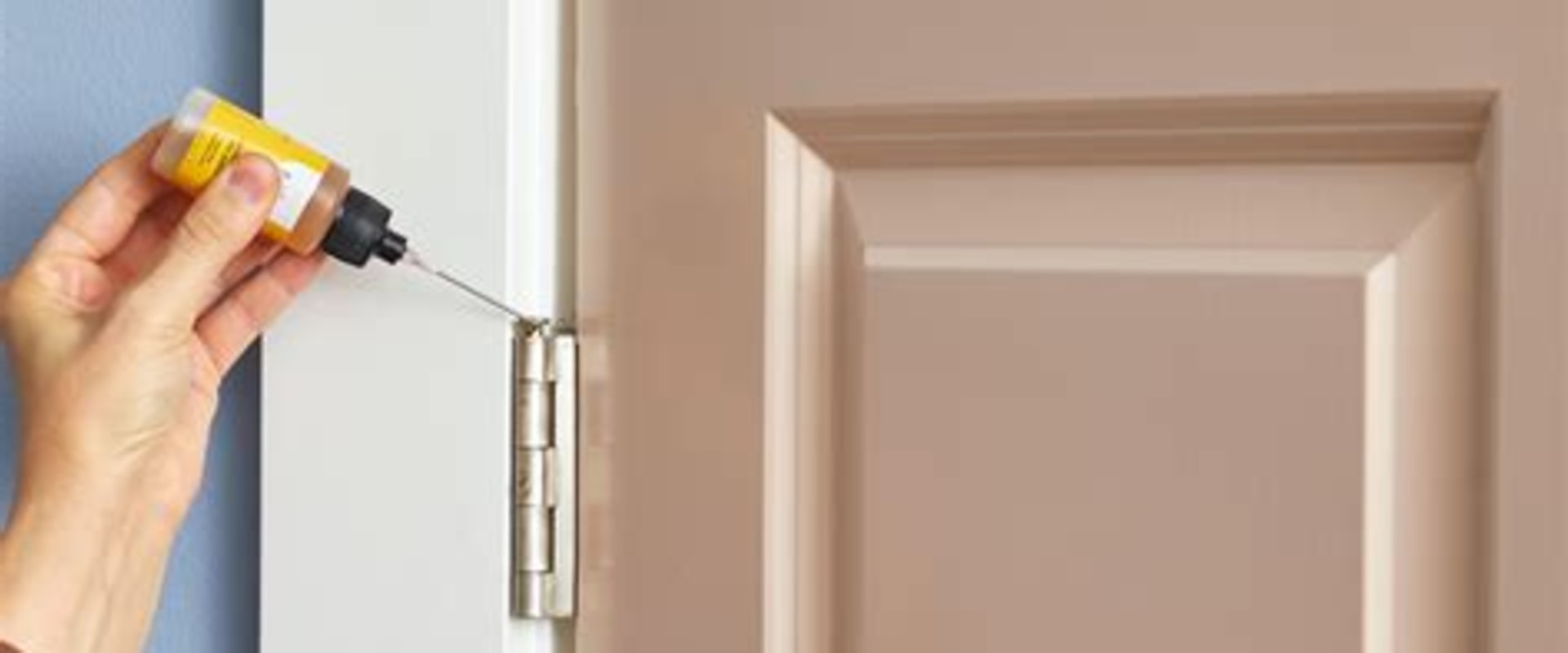
- Lubricate the Hinges: If the squeak is coming from the hinges, apply a few drops of lubricant directly onto the hinge pins. Move the door back and forth to work the lubricant into the mechanism.
Wipe away any excess with a cloth.
- Tighten Loose Screws: Check for any loose screws on the hinges. Use your screwdriver to tighten them, as loose screws can contribute to squeaking.
- Inspect the Door Frame: If lubricating the hinges doesn’t solve the problem, check if the door is rubbing against the frame. Look for areas where paint may have chipped or where wood may have warped.
- Adjust the Door Alignment: If necessary, adjust the door by shimming it with thin pieces of cardboard or wood under the hinge to raise it slightly. This can help eliminate contact points that cause squeaking.
- Test Your Work: After making adjustments and lubricating, open and close the door several times to ensure that it operates smoothly without any noise.
Regular maintenance of your doors not only keeps them functional but also contributes to overall home repair and maintenance.
Step-by-Step Guide to Fixing Squeaky Floorboards
Squeaky floorboards can be a nuisance, but with the right approach, you can effectively silence them. Follow this step-by-step guide to tackle the issue and enhance your home maintenance skills.- Identify the Source of the Squeak: Walk around the area and pinpoint where the noise is coming from. Pay attention to any loose boards or gaps between the boards and joists.
- Gather Your Tools: You will need a few basic tools: a hammer, wood screws, a drill, wood glue, and possibly some shims. Having these on hand will make the repair process smoother.
- Secure Loose Floorboards: If you find any loose boards, use a drill to insert screws into the floorboard and into the joist beneath.
This will help secure the board in place and eliminate movement that causes squeaking.
- Apply Wood Glue: For additional support, apply wood glue between the floorboard and joist. This can help fill in gaps and reduce friction that leads to squeaks.
- Use Shims for Gaps: If there are noticeable gaps between the floorboards, insert wooden shims to fill these spaces. This will help stabilize the boards and minimize noise.
- Test Your Work: After making repairs, walk over the area again to check if the squeak persists. If it does, you may need to repeat some steps or check for other loose boards.
Regular maintenance is key to preventing future issues, so consider incorporating this task into your home repair and maintenance routine.
Preventive Measures to Avoid Future Squeaks
Preventing squeaks in your home is essential for maintaining a peaceful and comfortable living environment. By implementing a few simple home maintenance prevention tips, you can significantly reduce the chances of encountering squeaky doors and floorboards in the future.Regular Lubrication
One of the most effective ways to prevent squeaky doors is through regular lubrication. Use a silicone-based lubricant or WD-40 on the hinges of your doors. Apply it every few months to keep the hinges functioning smoothly and to avoid any friction that may lead to squeaking.Proper Installation
When installing new doors or floorboards, ensure they are fitted correctly.Misalignment can cause unnecessary pressure on joints, leading to squeaks. If you're unsure about the installation process, consider hiring a professional to ensure everything is set up properly.
Humidity Control
Wooden floors and doors can expand and contract with changes in humidity. To prevent squeaks caused by this movement, maintain a consistent humidity level in your home. Using a dehumidifier in damp areas or a humidifier during dry seasons can help keep your wooden structures stable.Regular Inspections
Conduct regular inspections of your doors and floorboards.Look for signs of wear, such as loose screws or gaps between the boards. Addressing these issues promptly can prevent them from developing into more significant problems that lead to squeaking.
Use Area Rugs
If you have hardwood floors, consider using area rugs in high-traffic areas. This not only adds style but also reduces friction between the floorboards, minimizing the chances of squeaks.By following these preventive measures, you can maintain your home effectively and enjoy a quieter living space free from annoying squeaks.When to Call a Professional for Help
While many squeaky doors and floorboards can be fixed with simple DIY methods, there are instances when the issue may be more complex and require the expertise of a professional. Recognizing these situations can save you time, money, and potential damage to your home.Signs You Need Professional Help
- Persistent Noise: If the squeaking continues despite your attempts to fix it, this may indicate a deeper issue.
- Structural Concerns: If you notice any signs of structural damage, such as cracks in the walls or uneven flooring, it’s crucial to consult a professional.
- Increased Movement: If the door or floorboard is not only squeaking but also shifting or moving excessively, this could signal a problem with the underlying support.
- Water Damage: Any signs of water damage around the area can lead to mold or rot, necessitating immediate professional intervention.
For instance, if you suspect that the squeak is due to loose joists or subflooring issues, a qualified contractor will have the tools and experience necessary to address these problems safely and effectively.
Choosing the Right Home Repair Services
When seeking home repair services, look for professionals who specialize in flooring and carpentry. Check their credentials, read reviews, and ask for references to ensure you’re hiring someone with a proven track record. Additionally, obtaining multiple quotes can help you gauge the average cost of repairs and ensure you’re getting a fair deal.Ultimately, knowing when to call in a professional can make all the difference in maintaining your home’s integrity and comfort. Don’t hesitate to reach out for help if you feel overwhelmed or uncertain about tackling a squeaky door or floorboard on your own.Frequently Asked Questions About Squeaky Doors and Floorboards
When it comes to home repair and maintenance, squeaky doors and floorboards are common issues that many homeowners face.Here are some frequently asked questions that can help you address these annoying sounds.
- What causes squeaky doors?
Squeaky doors are often caused by a lack of lubrication on the hinges. Over time, dirt and grime can build up, leading to friction that creates noise when the door moves. - How can I stop my door from squeaking?
To fix a squeaky door, apply a lubricant such as WD-40 or silicone spray to the hinges. Open and close the door several times to work the lubricant in. If the squeak persists, consider removing the hinge pins, cleaning them, and applying grease before reassembling. - Why do floorboards squeak?
Squeaky floorboards are typically caused by loose boards or nails.As you walk on them, the movement can create friction between the boards or against the subfloor.
- What can I do to fix squeaky floorboards?
To repair squeaky floorboards, you can try driving screws into the boards to secure them better. Alternatively, sprinkle talcum powder between the boards to reduce friction. For more severe cases, consider using wood glue or shims to stabilize loose areas. - Are there any preventive measures for squeaks?
Regular maintenance is key. Ensure that all hinges are lubricated and check for loose floorboards during routine inspections.Keeping humidity levels stable can also help prevent wood expansion and contraction that leads to squeaks.
Conclusion: Key Takeaways for Home Repair and Maintenance
In conclusion, addressing squeaky doors and floorboards is an essential part of home repair and maintenance. By understanding the causes of these annoying sounds, you can take effective steps to eliminate them and enhance the comfort of your living space. Here are the key takeaways to remember:- Identify the Source: Before attempting any repairs, it’s crucial to pinpoint whether the squeak originates from a door hinge or a floorboard. This will guide your approach.
- Use Lubrication: For squeaky doors, applying a suitable lubricant like WD-40 or silicone spray can often resolve the issue quickly. For floorboards, consider using talcum powder or a specialized wood lubricant.
- Check for Loose Screws: Tightening screws on hinges or floorboards can significantly reduce squeaking.
Regularly inspect these areas as part of your home maintenance routine.
- Consider Replacement: If squeaks persist despite your efforts, it may be time to replace worn-out hinges or damaged floorboards. Investing in quality materials can prevent future issues.