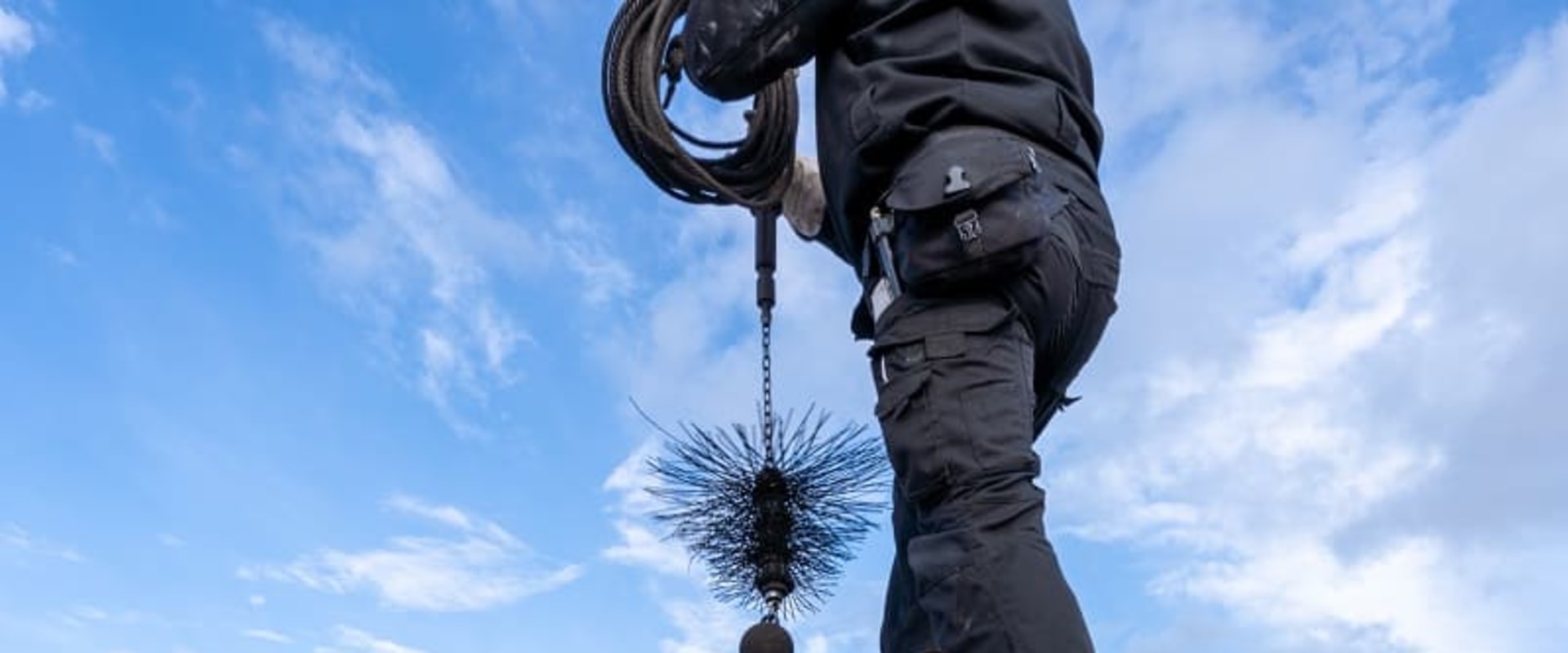
When it comes to home repair and maintenance, one of the most overlooked aspects is the condition of your chimney. Many homeowners may not realize that a well-maintained chimney is crucial for both safety and efficiency. Regular chimney maintenance not only prevents dangerous chimney fires but also ensures that harmful gases are properly vented out of your home. This is particularly important for those who rely on wood-burning stoves or fireplaces during colder months. Understanding the importance of chimney cleaning goes beyond just aesthetics; it’s about protecting your home and loved ones.
A clean chimney allows for optimal airflow, which can enhance the performance of your heating system. Neglecting this vital component can lead to costly repairs down the line, as well as potential health risks from carbon monoxide exposure. Therefore, incorporating regular inspections and cleanings into your home maintenance routine is essential. In this article, we will explore how often you should clean and inspect your chimney, providing you with the knowledge needed to keep your home safe and functional. By prioritizing chimney care, you not only extend the life of your fireplace but also contribute to a healthier living environment.
How Often Should You Clean Your Chimney?
When it comes to chimney cleaning frequency, several factors come into play, including the type of fuel you use, how often you use your fireplace, and the overall condition of your chimney.Understanding these elements can help you establish a proper chimney maintenance schedule.
General Guidelines
- If you use your fireplace regularly, it is recommended to have your chimney cleaned at least once a year.
- For those who use their fireplace less frequently, a cleaning every two years may suffice.
- Homes that burn wood should consider cleaning their chimneys more often, ideally every 3 to 4 cords of wood burned.
Type of Fuel Matters
The type of fuel you use significantly impacts how often you should clean your chimney:
- Wood: Wood-burning fireplaces produce creosote, a flammable substance that builds up in the chimney. Regular inspections and cleanings are crucial.
- Gas: Gas fireplaces typically require less maintenance. An annual inspection is usually sufficient, as they produce less soot and creosote.
- Pellet Stoves: These should be cleaned every 1 to 3 months during the heating season, depending on usage.
Signs You Need Cleaning
In addition to following a schedule, be vigilant for signs that indicate your chimney needs cleaning:
- A strong odor coming from the fireplace.
- A visible buildup of soot or creosote inside the chimney.
- Poor draft or smoke backing up into the home.
Signs That Your Chimney Needs Cleaning
Keeping your chimney in good condition is essential for both safety and efficiency. Here are some key signs that indicate your chimney may need cleaning:- Creosote Buildup: If you notice a thick, tar-like substance on the walls of your chimney, this is a clear sign of creosote buildup.
Creosote is a byproduct of burning wood and can be highly flammable, increasing the risk of chimney fires.
- Soot Accumulation: A significant amount of soot can also indicate that your chimney needs attention. If you see black residue around the fireplace or on the chimney cap, it’s time to schedule a cleaning.
- Unpleasant Odors: A foul smell emanating from your chimney can suggest that there is a blockage or buildup of debris. This odor can become more pronounced when the fireplace is in use.
- Smoke Backdraft: If smoke begins to enter your home instead of exiting through the chimney, it may be a sign of an obstruction. This could be due to a buildup of creosote or other materials that need to be cleared.
- Animal Nests: Birds and other animals often seek shelter in chimneys.
If you hear noises coming from your chimney or see debris falling into your fireplace, it may indicate that animals have made a nest, which can block airflow.
The Importance of Regular Inspections
Regular chimney inspections are crucial for maintaining the safety and efficiency of your home. Over time, creosote buildup, debris, and structural issues can compromise your chimney's functionality, leading to potential hazards such as chimney fires or carbon monoxide leaks. Therefore, understanding chimney inspection frequency is essential for every homeowner.Experts recommend that you have your chimney inspected at least once a year, ideally before the heating season begins.This annual inspection allows professionals to identify any issues early on, ensuring that your chimney operates safely and efficiently throughout the winter months. If you use your fireplace frequently or burn wood, you may need to schedule inspections more often—potentially every few months—to monitor creosote accumulation.
The importance of chimney inspections
extends beyond just preventing fires. Regular checks can also help identify structural problems that could lead to costly repairs if left unaddressed. For instance, cracks in the flue or damage to the chimney cap can allow water intrusion, which may result in mold growth or deterioration of your home’s structure.In addition to safety concerns, regular chimney inspections contribute to overall home repair and maintenance.By investing in these inspections, you not only protect your family but also enhance the longevity of your home’s heating system. A well-maintained chimney can improve energy efficiency, reducing heating costs and ensuring a comfortable living environment.In summary, prioritizing regular chimney inspections is a vital aspect of home safety and maintenance. By adhering to recommended inspection schedules and addressing any issues promptly, homeowners can enjoy peace of mind knowing their homes are safe and well-maintained.
How Often Should You Inspect Your Chimney?
When it comes to chimney inspections, the frequency can vary significantly based on several factors, including how often you use your fireplace, the type of fuel you burn, and the environmental conditions in your area. Here are some guidelines to help you determine how often you should inspect your chimney:- Regular Use: If you use your fireplace regularly, it is recommended to have your chimney inspected at least once a year.
This ensures that any buildup of creosote or other debris is addressed before it becomes a fire hazard.
- Occasional Use: For those who only use their fireplace occasionally, a biennial inspection may suffice. However, it’s still wise to check for any visible signs of damage or blockage before each use.
- Type of Fuel: The type of fuel you burn can also affect inspection frequency. Wood-burning stoves and fireplaces typically require more frequent inspections due to creosote buildup compared to gas appliances, which may only need an inspection every few years.
- Environmental Factors: If you live in an area with heavy rainfall, snow, or high winds, consider increasing the frequency of your inspections. These conditions can lead to more debris accumulation and potential damage to your chimney.
- Clean Your Chimney: Schedule a professional cleaning if you notice a significant buildup of soot or creosote.
This is especially important if you burn wood frequently.
- Check for Blockages: Always check for blockages such as bird nests or debris before using your fireplace.
- Look for Damage: Inspect the exterior of your chimney for cracks or signs of wear that could indicate structural issues.
DIY vs. Professional Chimney Cleaning and Inspection
When it comes to chimney cleaning and inspection, homeowners often face the dilemma of choosing between DIY methods and hiring a professional service. Each option has its own set of advantages and disadvantages that can significantly impact the safety and efficiency of your chimney.DIY Chimney Cleaning
Many homeowners opt for DIY chimney cleaning to save money. With the right tools and knowledge, you can perform basic maintenance tasks such as:- Removing debris: Regularly check for leaves, twigs, and other obstructions.
- Using a chimney brush: A brush can help remove soot buildup, which is crucial for preventing chimney fires.
- Inspecting for damage: Look for cracks or signs of wear that may require further attention.
If not done correctly, it can lead to incomplete cleaning or even personal injury.
Professional Chimney Inspection
On the other hand, hiring a professional chimney inspector offers several benefits:- Expertise: Professionals have the training and experience to identify issues that an untrained eye might miss.
- Comprehensive services: They can provide thorough inspections and cleanings, ensuring your chimney is safe for use.
- Time-saving: Professionals can complete the job more quickly than most homeowners can manage on their own.
Common Chimney Problems and Solutions
Chimneys are essential for the safe operation of fireplaces and heating systems, but they can develop a range of issues over time. Understanding common chimney problems can help homeowners take proactive measures to ensure safety and efficiency.- Creosote Buildup: One of the most frequent issues is the accumulation of creosote, a flammable substance that forms when wood burns. Regular cleaning is crucial to prevent chimney fires.
Homeowners should aim to have their chimneys inspected and cleaned at least once a year, especially if they use their fireplace frequently.
- Blockages: Debris such as leaves, animal nests, or soot can obstruct the chimney flue, leading to dangerous smoke backflow. To avoid this, conduct regular inspections and consider installing a chimney cap to keep out unwanted materials.
- Structural Damage: Cracks in the chimney structure can lead to leaks and further deterioration. Homeowners should look for signs of damage, such as crumbling mortar or rust on metal components. If any issues are detected, it’s advisable to consult a professional for repairs.
- Flue Issues: A damaged or improperly sized flue can cause poor ventilation, leading to smoke entering the home.
Ensure that your flue is correctly sized for your fireplace and has no obstructions.
Frequently Asked Questions About Chimney Maintenance
Homeowners often have numerous questions regarding chimney maintenance.Here are some of the most frequently asked questions:
- How often should I clean my chimney? It is generally recommended to have your chimney cleaned at least once a year, especially if you use your fireplace regularly. If you burn wood, consider cleaning it more frequently, as creosote buildup can occur quickly.
- What signs indicate that my chimney needs maintenance? Look for signs such as a strong odor from the fireplace, smoke backing up into the home, or visible soot and creosote buildup. Additionally, if you notice cracks or damage to the chimney structure, it’s time for an inspection.
- Can I clean my chimney myself? While some homeowners may attempt to clean their chimneys, it is advisable to hire a professional. They have the right tools and expertise to ensure a thorough and safe cleaning.
- What is creosote and why is it a concern? Creosote is a flammable substance that accumulates in chimneys when wood is burned.
It can lead to chimney fires if not removed regularly. Regular inspections can help identify creosote buildup before it becomes a hazard.
- How do I know if my chimney is safe to use? A professional inspection can determine the safety of your chimney. They will check for blockages, structural integrity, and any necessary repairs.
Conclusion: Keeping Your Chimney Safe and Efficient
In conclusion, maintaining a safe and efficient chimney is crucial for the overall health of your home. Regular cleaning and inspections not only enhance the performance of your chimney but also significantly reduce the risk of fire hazards and carbon monoxide poisoning.By adhering to a consistent maintenance schedule, homeowners can ensure that their chimneys function optimally.
Key Takeaways:
- It is recommended to have your chimney inspected at least once a year, especially if you use it frequently.
- Cleaning should be performed based on usage; for wood-burning fireplaces, this may mean cleaning every cord of wood burned.
- Look for signs of creosote buildup, which can indicate the need for more frequent cleanings.
- Consider hiring a professional chimney sweep to perform thorough inspections and cleanings, ensuring all safety standards are met.