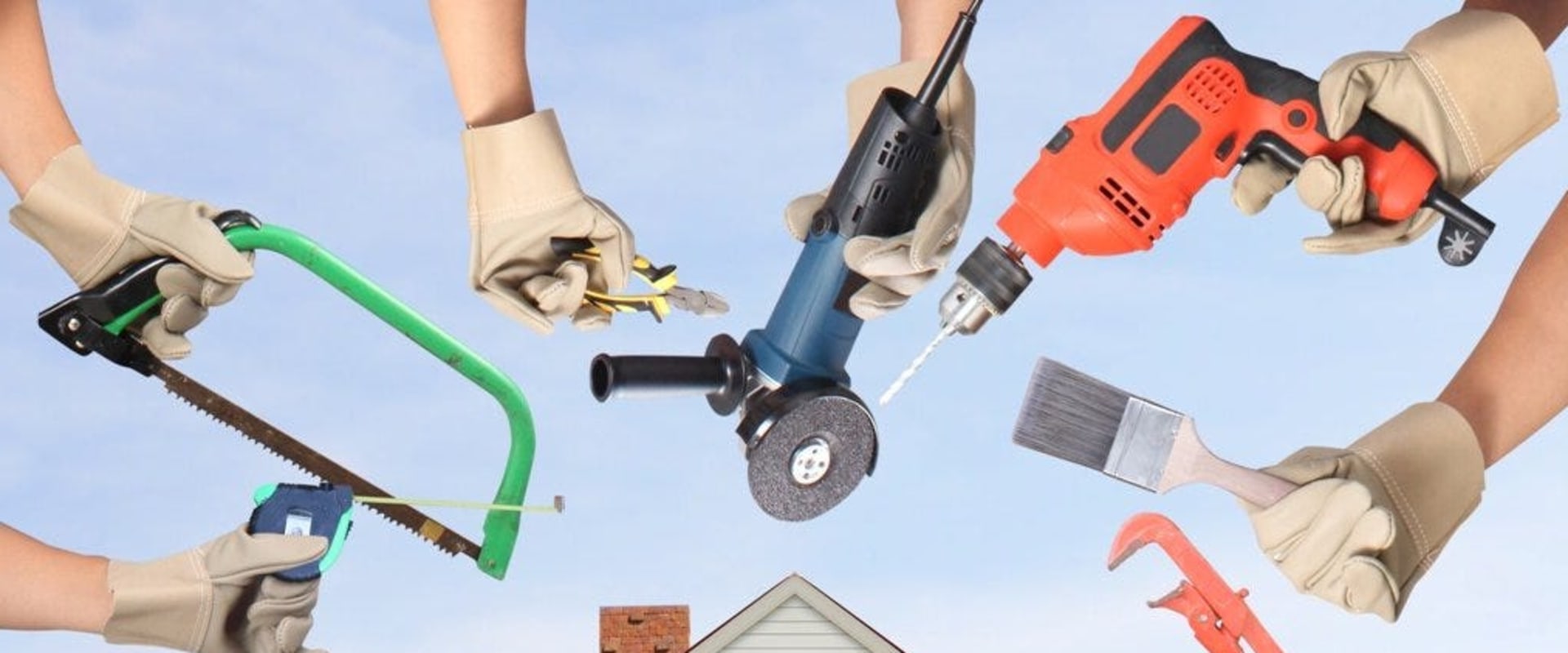
When it comes to home repair and maintenance, safety should always be your top priority. Engaging in DIY projects can be rewarding, but it also comes with inherent risks that can lead to serious accidents or injuries if proper precautions are not taken. Understanding the importance of safety in home repairs is crucial for anyone looking to tackle tasks around the house, whether it's fixing a leaky faucet or undertaking a major renovation. Just like in motorcycle riding, where Handling Different Road Conditions Essential Tips for safety is vital, the same principle applies to home projects. Many homeowners underestimate the potential dangers associated with seemingly simple repairs. , safety should always be your top priority. Engaging in DIY projects can be rewarding, but it also comes with inherent risks that can lead to serious accidents or injuries if proper precautions are not taken. Understanding the importance of safety in home repairs is crucial for anyone looking to tackle tasks around the house, whether it's fixing a leaky faucet or undertaking a major renovation. Just like in motorcycle riding, where Handling Different Road Conditions Essential Tips for safety is vital, the same principle applies to home projects. Many homeowners underestimate the potential dangers associated with seemingly simple repairs.
From using power tools to working at heights, the risks can escalate quickly. For instance, improper handling of tools can result in cuts or electrical shocks, while neglecting to use a sturdy ladder can lead to falls. By prioritizing safety measures, you not only protect yourself but also ensure that your home remains a safe environment for your family. Moreover, adopting a safety-first mindset fosters a more efficient workflow. When you take the time to prepare adequately—by wearing appropriate protective gear, securing your workspace, and following guidelines—you minimize distractions and enhance your focus on the task at hand.
This not only leads to better results but also instills confidence in your ability to manage home repairs effectively.
Preparing for Home Repairs: Essential Safety Gear
When embarking on home repair and maintenance tasks, ensuring your safety should be a top priority. The right personal protective equipment (PPE) can significantly reduce the risk of injury and enhance your overall repair experience. Here are some essential safety gear items to consider:- Gloves: A sturdy pair of gloves is crucial for protecting your hands from cuts, abrasions, and chemical exposure. Depending on the task, you may choose latex gloves for light work or heavy-duty work gloves for more demanding projects.
- Goggles: Safety goggles shield your eyes from dust, debris, and harmful substances.
Whether you're sanding wood or using power tools, goggles are a must to prevent eye injuries.
- Dust Masks or Respirators: When working with materials that generate dust or fumes, such as paint or insulation, wearing a dust mask or respirator is essential. This gear helps filter out harmful particles and ensures you breathe clean air.
- Helmets: If your home repair involves overhead work, such as roofing or ceiling repairs, a hard hat can protect your head from falling objects. This is especially important in construction zones or when working with heavy materials.
- Ear Protection: For tasks that involve loud machinery or power tools, earplugs or earmuffs can help prevent hearing damage. Prolonged exposure to high noise levels can lead to permanent hearing loss.
Always assess the specific risks associated with each home repair task and choose the right equipment accordingly. Remember, taking these precautions is not just about compliance; it’s about ensuring that your home repair and maintenance projects are completed safely and effectively.
Assessing Your Work Environment: A Safety Checklist
Before diving into any home repair and maintenance tasks, it’s essential to assess your work environment thoroughly. A well-organized and safe workspace can significantly reduce the risk of accidents and injuries. Here’s a comprehensive home repair safety checklist to help you prepare:- Clear Clutter: Remove any unnecessary items from the area where you’ll be working.
This includes tools, furniture, or decorations that could pose a tripping hazard.
- Ensure Proper Lighting: Good visibility is crucial. Make sure the workspace is well-lit, using natural light when possible or adding extra lamps to eliminate shadows.
- Check for Hazards: Look for any potential hazards such as loose wires, wet floors, or unstable furniture. Address these issues before starting your repairs.
- Ventilation: If you’re working with chemicals or materials that produce fumes, ensure the area is well-ventilated. Open windows or use fans to circulate air.
- Gather Necessary Tools: Before beginning, collect all the tools you’ll need for the job.
This minimizes the need to leave your workspace frequently, reducing distractions and potential accidents.
- Wear Appropriate Safety Gear: Depending on the nature of your repairs, wear safety goggles, gloves, or masks to protect yourself from dust and debris.
Tools and Equipment: Safe Usage Practices
When engaging in home repair and maintenance, the safe usage of tools and equipment is paramount to prevent accidents and injuries. Here are some essential practices to follow:General Tool Safety
- Read the Manual: Always familiarize yourself with the manufacturer's instructions before using any tool. Understanding its features and limitations can prevent misuse.
- Inspect Tools Regularly: Before each use, check for any damage or wear.
Ensure that blades are sharp, cords are intact, and safety guards are in place.
- Wear Appropriate Safety Gear: Use safety glasses, gloves, and ear protection as needed. This gear is crucial for protecting yourself from flying debris and loud noises.
Power Tools
- Keep Work Area Clean: A cluttered workspace can lead to accidents. Ensure that your area is free of obstacles and hazards.
- Use the Right Tool for the Job: Avoid improvising with tools. Using the correct tool reduces the risk of injury and ensures better results.
- Disconnect Power When Not in Use: Always unplug power tools when changing bits or making adjustments to prevent accidental starts.
Ladder Safety
- Select the Right Ladder: Choose a ladder that is appropriate for your height and the task at hand.
Ensure it is rated for your weight.
- Set Up on Stable Ground: Always place ladders on a flat, stable surface. Avoid using them on uneven ground or slippery surfaces.
- Maintain Three Points of Contact: When climbing or descending, keep two hands and one foot, or two feet and one hand in contact with the ladder at all times.
Electrical Safety: Precautions When Working with Wiring
When it comes to home repair and maintenance, ensuring electrical safety is paramount, especially when working with wiring. Here are some essential precautions to take:- Turn Off Power Sources: Before starting any electrical work, always turn off the power at the circuit breaker.
This simple step can prevent serious injuries or even fatalities. Use a voltage tester to confirm that the power is indeed off before touching any wires.
- Use Insulated Tools: Invest in high-quality, insulated tools designed for electrical work. These tools provide an extra layer of protection against electric shock. Look for tools that are rated for the voltage you are working with.
- Wear Protective Gear: Always wear appropriate personal protective equipment (PPE), such as rubber-soled shoes and safety goggles.
This gear can help protect you from accidental shocks and flying debris.
- Understand Wiring Basics: Familiarize yourself with basic electrical concepts and wiring diagrams. Knowing how circuits work can help you avoid mistakes that could lead to dangerous situations.
- Recognize Warning Signs: Be aware of signs that indicate potential electrical issues, such as flickering lights, tripped breakers, or burning smells. If you encounter these problems, it’s best to stop work and consult a professional.
- Know Your Limits: If a project feels beyond your skill level or involves complex wiring, don’t hesitate to call a licensed electrician. It’s better to be safe than sorry when it comes to electricity.
Always prioritize safety and don’t take unnecessary chances.
Handling Hazardous Materials: Safe Practices
When undertaking home repair and maintenance tasks, it is crucial to be aware of the potential hazards associated with certain materials. Many common household products, such as paints, solvents, and even some building materials, can pose serious health risks if not handled properly. Here are some essential guidelines for the safe handling of hazardous materials:Proper Storage
- Keep materials in original containers: Always store hazardous materials in their original containers to ensure that labels and safety information are intact.
- Use secure storage: Store chemicals in a cool, dry place away from direct sunlight and out of reach of children and pets.
- Avoid mixing substances: Never mix different chemicals unless specified by the manufacturer, as this can create dangerous reactions.
Safe Usage
- Read labels carefully: Before using any hazardous material, read the label for instructions on safe usage and any necessary precautions.
- Wear appropriate protective gear: Always use gloves, goggles, and masks when handling hazardous substances to protect your skin, eyes, and respiratory system.
- Ensure proper ventilation: Work in well-ventilated areas to minimize inhalation of fumes. Open windows and use fans to circulate air.
Disposal Guidelines
- Follow local regulations: Dispose of hazardous materials according to local laws.
Many communities have specific disposal sites for chemicals.
- Avoid pouring down drains: Never dispose of paints or solvents by pouring them down the drain or in regular trash, as this can contaminate water supplies.
- Use designated containers: When disposing of hazardous waste, use containers that are clearly labeled and designed for that purpose.
Emergency Preparedness: What to Do in Case of an Accident
When engaging in home repair and maintenance, accidents can happen, and being prepared is crucial. Knowing what to do in case of an accident can make a significant difference in the outcome. Here are essential steps to follow:First Aid Tips for DIY Accidents
In the event of an injury, immediate action is vital.Here are some first aid tips:
- Assess the Situation: Quickly evaluate the severity of the injury. If it’s minor, you may be able to treat it at home; if it’s severe, seek professional help immediately.
- Control Bleeding: For cuts or lacerations, apply pressure with a clean cloth or bandage. Elevate the injured area if possible.
- Treat Burns: For minor burns, run cool water over the area for at least 10 minutes. Avoid ice, as it can cause further damage.
- Use a First Aid Kit: Always have a well-stocked first aid kit on hand.
Ensure it includes adhesive bandages, antiseptic wipes, gauze pads, and pain relievers.
Emergency Contact Information
Keep a list of emergency contacts readily available. This should include:- Your local emergency services number (911 in the U.S.)
- Your doctor’s contact information
- The nearest hospital or urgent care facility
- A trusted neighbor or friend who can assist in emergencies
The Importance of Preparedness
Emergency preparedness is not just about having a first aid kit; it’s about being mentally ready to act swiftly and effectively. Regularly review your first aid knowledge and ensure that your kit is stocked and up-to-date.Consider taking a first aid and CPR course to enhance your skills. By taking these precautions and being prepared for accidents during home repairs, you can ensure a safer DIY experience and minimize risks associated with home maintenance tasks.
Common Home Repair Mistakes and How to Avoid Them
When it comes to home repair and maintenance, even seasoned DIY enthusiasts can fall prey to common mistakes that not only compromise the quality of the work but also pose safety risks. Understanding these pitfalls is crucial for ensuring a safe and successful home repair experience.1.Skipping Safety Gear
One of the most frequent errors is neglecting to wear appropriate safety gear. Whether you’re using power tools or handling hazardous materials, always equip yourself with gloves, safety goggles, and a mask when necessary. This simple precaution can prevent serious injuries.2.Underestimating the Project Scope
Many homeowners dive into projects without fully understanding the scope of work involved.This can lead to incomplete repairs or, worse, unsafe conditions. Before starting, take the time to assess what tools and materials you’ll need, and consider consulting with a professional if the task seems overwhelming.
3.Ignoring Local Building Codes
Another common mistake is failing to check local building codes and regulations. Not adhering to these guidelines can result in fines or unsafe structures. Always research the legal requirements for your specific project, especially for electrical or plumbing work.4.Improper Use of Tools
Using tools incorrectly is a frequent cause of accidents during home repairs.Make sure you read the manuals and understand how to operate each tool safely. If you’re unsure about a tool’s function, seek guidance from someone experienced or watch instructional videos.
5.Rushing the Process
Finally, one of the biggest mistakes is rushing through repairs. Taking shortcuts can lead to errors that may compromise safety and effectiveness. Always allocate enough time for each task, allowing for breaks and thorough inspections of your work.By being aware of these common mistakes and taking proactive steps to avoid them, you can ensure that your home repair and maintenance projects are not only successful but also safe.FAQs About Home Repair Safety Precautions
When it comes to home repair and maintenance, safety should always be a top priority.Here are some frequently asked questions that can help clarify important safety precautions:
What are the basic safety precautions I should take before starting a home repair project?
- Assess the area: Ensure the workspace is clear of clutter and hazards.
- Wear appropriate safety gear: Use gloves, goggles, and masks as needed to protect yourself from dust, debris, and chemicals.
- Turn off utilities: If your project involves plumbing or electrical work, make sure to turn off the water supply or electricity to avoid accidents.
How can I prevent injuries while using tools?
- Read instructions: Always read the manual for any tools you are using to understand their proper operation.
- Keep tools in good condition: Regularly check and maintain your tools to ensure they are safe to use.
- Use tools for their intended purpose: Avoid using tools in ways they were not designed for, as this can lead to accidents.
What should I do if I encounter hazardous materials?
- Identify the material: If you suspect the presence of hazardous materials like asbestos or lead paint, do not attempt to remove them yourself.
- Contact professionals: Hire certified professionals who are trained to handle hazardous materials safely.
Are there specific safety tips for working at heights?
- Use ladders safely: Ensure your ladder is stable and on level ground. Always maintain three points of contact when climbing.
- Wear a harness: If working on roofs or high places, consider using a safety harness attached to a secure anchor point.
Conclusion: Prioritizing Safety in Your Home Repair Projects
In conclusion, prioritizing safety during your home repair and maintenance projects is essential for protecting yourself and your property. Throughout this article, we have discussed various safety precautions that can significantly reduce the risk of accidents and injuries. First and foremost, always assess the scope of your project.Understanding what you are getting into allows you to prepare adequately. This includes gathering the right tools and materials, as well as ensuring you have a clear plan in place. Additionally, wearing appropriate personal protective equipment (PPE) cannot be overstated. Items such as gloves, goggles, and masks are crucial in shielding you from potential hazards. Make it a habit to check your equipment before starting any task to ensure everything is in good working condition. Moreover, never underestimate the importance of proper ventilation when working with chemicals or materials that produce fumes.
Ensuring adequate airflow can prevent health issues that arise from inhaling harmful substances. It’s also wise to keep your workspace organized. A clutter-free environment minimizes the risk of trips and falls, which are common accidents during home repairs. Always clean up spills immediately and store tools safely when not in use. Finally, don’t hesitate to seek help when needed. Whether it’s consulting a professional or asking a friend for assistance, collaboration can enhance safety and lead to better outcomes. By implementing these safety measures, you can enjoy the satisfaction of completing your home repair projects while ensuring your well-being remains intact.
Remember, safety should always come first!.