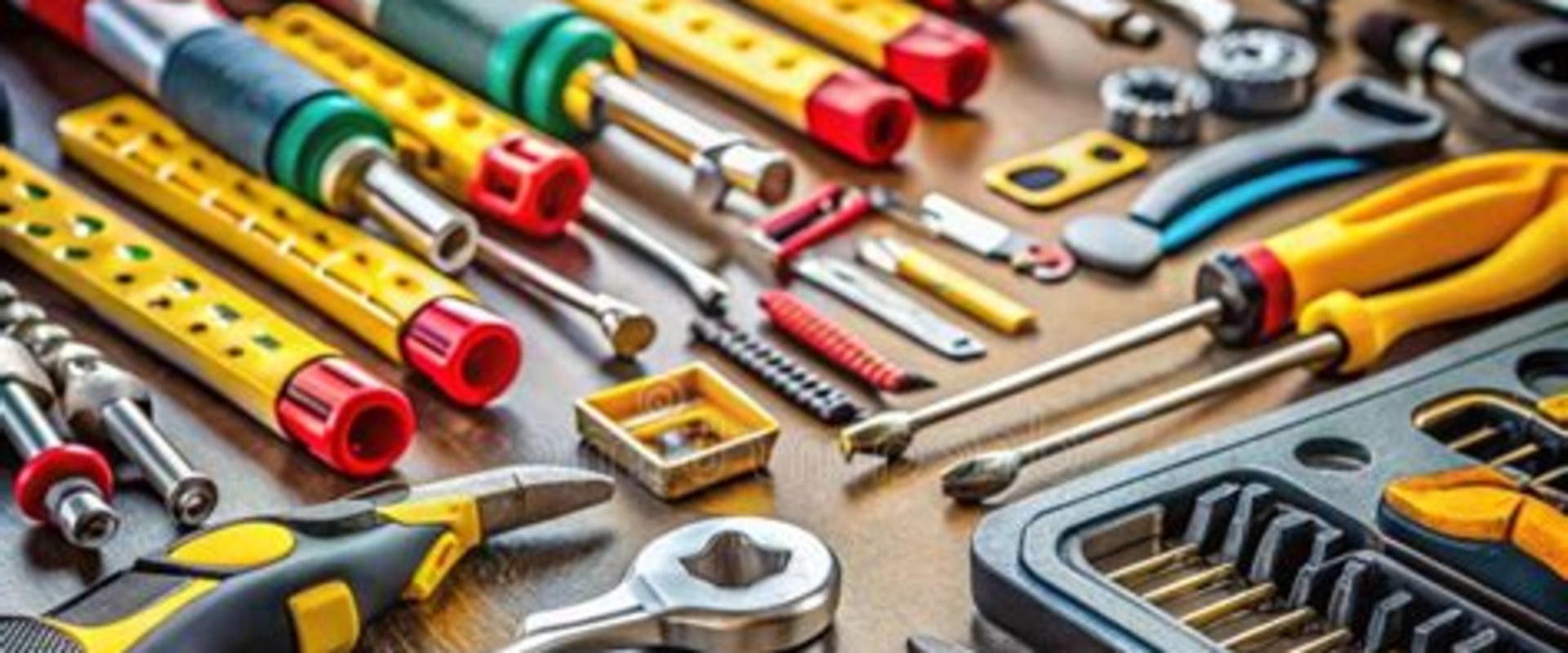
When it comes to home repair and maintenance, having the right tools at your disposal can make all the difference. Whether you're a seasoned DIY enthusiast or a novice homeowner, understanding which home repair tools are essential can empower you to tackle a variety of tasks with confidence. From fixing leaky faucets to patching drywall, the right tools not only simplify the process but also ensure that the job is done correctly and safely. Additionally, if you're looking to elevate your space, consider how you can Transform Your Bathroom with the Right Accessories. Investing in a well-rounded toolkit is crucial for maintaining your home effectively.
Essential maintenance tools can help you address minor issues before they escalate into costly repairs. For instance, a reliable set of screwdrivers, pliers, and a hammer are foundational items that every homeowner should have. Additionally, specialized tools like a stud finder or a level can aid in more complex projects, ensuring precision and quality in your work. As we delve deeper into the world of home repair and maintenance, we will explore various categories of tools that are indispensable for any homeowner. From hand tools to power tools, understanding their uses and benefits will equip you with the knowledge needed to maintain your home efficiently.
So, let’s get started on building your ultimate toolkit!
Basic Hand Tools Every Homeowner Should Have
When it comes to home repair and maintenance, having the right tools can make all the difference. Here are some basic hand tools that every homeowner should have in their toolkit:- Hammer: A reliable hammer is essential for driving nails, removing them, and performing various tasks around the house. Opt for a claw hammer, which is versatile and can also pull nails.
- Screwdriver Set: A set of screwdrivers, including both flathead and Phillips head, is crucial for assembling furniture, tightening screws, and making minor repairs. Consider a magnetic screwdriver for added convenience.
- Pliers: Pliers come in handy for gripping, twisting, and cutting wires or small objects.
A pair of needle-nose pliers is particularly useful for reaching into tight spaces.
- Adjustable Wrench: This tool is perfect for loosening or tightening nuts and bolts of various sizes. Its adjustable jaw allows it to fit multiple fasteners, making it a versatile addition to your toolkit.
- Utility Knife: A sharp utility knife is invaluable for cutting through materials like cardboard, rope, or drywall. Look for one with a retractable blade for safety.
- Tape Measure: Accurate measurements are key in any home repair project. A sturdy tape measure will help you ensure that everything fits perfectly.
- Level: To ensure that shelves, pictures, or furniture are straight, a level is an indispensable tool.
It helps prevent future adjustments and ensures a professional finish.
Power Tools for Efficient Home Repairs
When it comes to home repair and maintenance, having the right power tools can significantly streamline your projects, making them quicker and more efficient. Here are some essential power tools every homeowner should consider:- Power Drill: A versatile tool that is indispensable for drilling holes and driving screws. Look for a cordless model with adjustable speed settings for maximum convenience.
- Circular Saw: Ideal for making straight cuts in wood, this tool is perfect for framing, decking, and other large projects.
A lightweight model with a laser guide can enhance accuracy.
- Jigsaw: This tool is perfect for making intricate cuts and curves in various materials, including wood and metal. A variable speed feature allows for better control.
- Sander: Whether you’re refinishing furniture or smoothing out rough edges, a power sander can save you time and effort. Consider an orbital sander for a smooth finish.
- Impact Driver: This tool is designed to drive screws with high torque, making it easier to work with tough materials. It’s especially useful for assembling furniture or installing fixtures.
Additionally, many of these tools come with battery options, allowing for greater mobility without the hassle of cords.For homeowners looking to build their toolkit, consider starting with these basics and gradually adding specialized tools as needed. The right combination of power tools can transform your approach to home repair and maintenance, making it a more enjoyable and less daunting task.
Specialty Tools for Specific Repairs
When it comes to home repair and maintenance, having the right tools can make all the difference, especially when tackling specific tasks that require specialized equipment. Here are some essential specialty tools that can help you efficiently handle various repairs around your home.Plumbing Tools
- Pipe Wrench: This tool is crucial for gripping and turning pipes, making it indispensable for plumbing repairs.
- Plumber's Snake: A must-have for clearing clogged drains, this flexible tool can navigate through pipes to remove blockages.
- Pipe Cutter: For precise cuts on copper or PVC pipes, a pipe cutter ensures clean edges, which is vital for proper fittings.
Electrical Tools
- Multimeter: This versatile tool measures voltage, current, and resistance, helping you diagnose electrical issues safely.
- Wire Strippers: Essential for preparing electrical wires for connections, wire strippers ensure clean and accurate stripping without damaging the wire.
- Circuit Tester: A circuit tester helps you determine if a circuit is live, which is crucial for safety during electrical repairs.
Carpentry Tools
- Miter Saw: Perfect for making precise angled cuts in wood, a miter saw is invaluable for framing and trim work.
- Router: This tool allows you to hollow out areas in wood, making it ideal for decorative edges and joints.
- Pneumatic Nail Gun: Speed up your carpentry projects with a nail gun that drives nails quickly and efficiently.
Safety Gear: Protecting Yourself During Repairs
When it comes to home repair and maintenance, ensuring your safety should be your top priority.Engaging in DIY projects can be rewarding, but without the right safety gear, you expose yourself to unnecessary risks. Here are some essential items you should consider:
- Gloves: Protect your hands from cuts, abrasions, and chemicals. Choose gloves that are appropriate for the task at hand, whether it’s heavy-duty work or delicate tasks.
- Safety Goggles: Eye protection is crucial when working with power tools or handling hazardous materials. Invest in a good pair of goggles to shield your eyes from debris and harmful substances.
- Dust Masks or Respirators: When sanding, painting, or working with insulation, wearing a mask can help prevent inhalation of harmful particles.
A respirator is especially important for more hazardous materials.
- Ear Protection: If you’re using loud power tools, earplugs or earmuffs can protect your hearing from long-term damage.
- Hard Hats: For larger projects where there’s a risk of falling objects, a hard hat can provide essential head protection.
Maintenance Tools to Keep Your Home in Top Shape
When it comes to home repair and maintenance, having the right tools can make all the difference in keeping your home in excellent condition.Here are some essential maintenance tools that every homeowner should consider:
- Multi-Tool: A versatile multi-tool can handle various tasks, from tightening screws to opening bottles. It's a compact solution for quick fixes.
- Cordless Drill: This tool is invaluable for drilling holes and driving screws. A cordless model offers flexibility and ease of use, making it perfect for both indoor and outdoor projects.
- Measuring Tape: Accurate measurements are crucial for any maintenance task. A sturdy measuring tape helps ensure that your repairs and installations are precise.
- Level: To ensure that shelves, pictures, and other installations are straight, a level is essential.
It helps avoid the frustration of crooked fixtures.
- Screwdriver Set: A complete set of screwdrivers, including both flathead and Phillips, is necessary for various tasks around the house.
- Pliers: Pliers are useful for gripping, twisting, and cutting wires or small objects. A good pair can be a lifesaver during repairs.
- Utility Knife: This tool is perfect for cutting through materials like cardboard, rope, or drywall. It's a must-have for any maintenance toolkit.
- Ladder: For tasks that require reaching high places, such as changing light bulbs or cleaning gutters, a sturdy ladder is essential for safety and efficiency.
- Shop Vacuum: Ideal for cleaning up debris from home improvement projects or seasonal maintenance tasks.
- Pressure Washer: Great for cleaning driveways, decks, and siding to maintain your home's exterior appearance.
Organizing Your Tools for Easy Access and Efficiency
When it comes to home repair and maintenance, having your tools organized is just as important as having the right tools. An efficient tool organization system not only saves time but also enhances your productivity during repairs.Here are some effective strategies to help you organize your tools for easy access:
- Designate a Specific Area: Choose a dedicated space in your garage, shed, or workshop for your tools. This area should be well-lit and easily accessible.
- Use Toolboxes and Organizers: Invest in quality toolboxes and organizers that suit your needs. Consider options with multiple compartments to keep smaller items like screws, nails, and drill bits sorted.
- Wall-Mounted Storage: Utilize wall-mounted pegboards or magnetic strips to hang frequently used tools. This not only saves space but also keeps tools visible and within reach.
- Label Everything: Labeling drawers, bins, and shelves can significantly improve efficiency.
When you know exactly where each tool belongs, you can quickly find what you need without rummaging through clutter.
- Regular Maintenance: Periodically review your tool collection. Remove any broken or unused tools to keep your workspace tidy and functional.
Frequently Asked Questions About Home Repair Tools
When it comes to home repair and maintenance, having the right tools is essential.Here are some frequently asked questions that can help you better understand the tools you might need:
What basic tools should I have for home repairs?
Every homeowner should have a basic toolkit that includes:- Hammer - For driving nails and general construction tasks.
- Screwdriver set - Both flathead and Phillips screwdrivers are necessary for various screws.
- Pliers - Useful for gripping, twisting, and cutting wires.
- Measuring tape - Essential for accurate measurements in any project.
- Utility knife - Great for cutting materials like cardboard, rope, or drywall.
- Level - Ensures that your pictures, shelves, and furniture are straight.
- Drill - A power drill can make tasks like hanging shelves much easier.
How do I choose the right tool for a specific job?
Selecting the right tool depends on the task at hand. Here are some tips:- Assess the task: Understand what you need to accomplish. For example, if you're assembling furniture, a screwdriver may suffice.
- Consider the material: Different materials require different tools. For instance, a masonry drill bit is needed for drilling into concrete.
- Read instructions: If you're following a guide or manual, it often specifies which tools are required.
Are there any safety tips I should follow when using tools?
Absolutely! Safety is paramount when performing home repair and maintenance.Here are some key safety tips:
- Wear protective gear: Always use safety glasses and gloves when necessary.
- Keep your workspace clean: A tidy area reduces the risk of accidents.
- Use tools as intended: Avoid using tools for purposes they weren't designed for to prevent injury or damage.
Conclusion: Equipping Yourself for Home Repair Success
In conclusion, being well-equipped for home repair and maintenance is essential for any homeowner. The right tools not only make tasks easier but also ensure that repairs are done correctly and efficiently. Throughout this article, we have explored various tools that are fundamental for tackling common home issues. From basic hand tools like hammers and screwdrivers to more specialized equipment such as power drills and saws, each tool plays a vital role in your home maintenance arsenal.Additionally, having safety gear, such as gloves and goggles, cannot be overlooked as it protects you from potential hazards during repairs. Moreover, investing in quality tools can save you time and money in the long run. While it may be tempting to opt for cheaper alternatives, durable tools often provide better performance and longevity. Remember to regularly maintain your tools to keep them in optimal condition. Ultimately, being prepared with the right tools empowers you to handle repairs confidently and effectively. Whether you're fixing a leaky faucet or assembling furniture, having the necessary equipment at your fingertips will make the process smoother and more enjoyable. As you embark on your home repair and maintenance journey, take the time to assess your current toolkit and consider what additional items might enhance your capabilities.
With the right preparation, you can tackle any home project that comes your way.