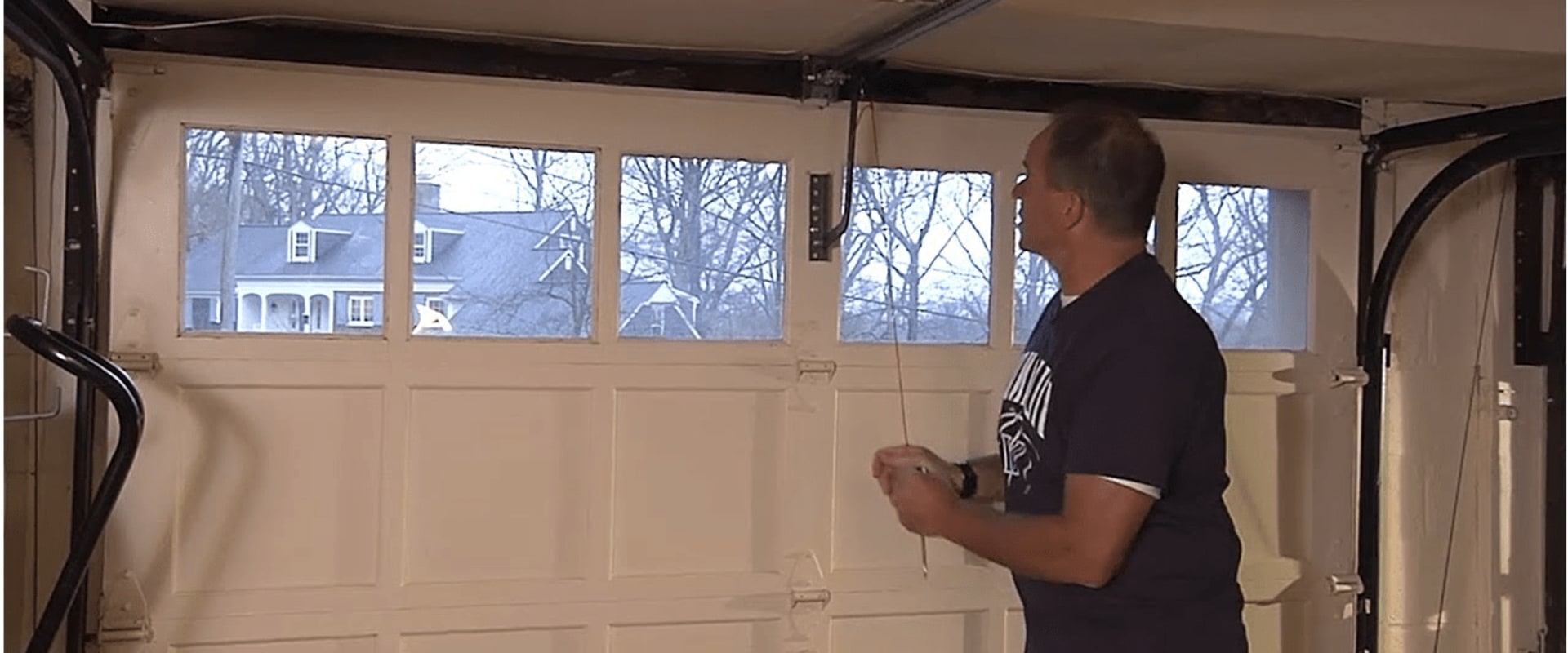
Understanding your garage door system is crucial for effective home repair and maintenance. A garage door is not just a simple barrier; it is a complex assembly of components that work together to provide security and convenience. By familiarizing yourself with how garage doors operate, you can better diagnose issues when they arise and perform necessary repairs. At the heart of every garage door system are several key components, including the door itself, the tracks, rollers, springs, and the opener. The garage door opener is often the most recognized part, as it automates the opening and closing process.
However, understanding the role of each component is essential. For instance, the springs counterbalance the weight of the door, allowing it to open smoothly. If these springs are damaged or worn out, you may experience difficulties in operation. Additionally, the tracks and rollers guide the door as it moves up and down. Any obstruction or misalignment in these parts can lead to malfunctioning doors.
By grasping these fundamentals, you will be better equipped to identify problems and implement solutions effectively. This foundational knowledge not only empowers you as a homeowner but also enhances your ability to maintain your property efficiently.
Common Garage Door Problems
When it comes to home repair and maintenance, understanding the common issues that can arise with garage doors is essential for effective troubleshooting. Here are some of the most frequent problems homeowners encounter:- Misalignment: One of the most common issues is misalignment of the garage door tracks. If the door is not properly aligned, it may not open or close smoothly, leading to potential damage.
- Noisy Operation: Unusual noises such as grinding, squeaking, or rattling can indicate that the garage door's components need lubrication or may be worn out.
Regular maintenance can help prevent these sounds.
- Failure to Open or Close: If your garage door refuses to respond when you press the remote or wall switch, it could be due to a dead battery in the remote, a faulty opener, or issues with the door's power supply.
- Stuck Door: A garage door that gets stuck halfway can be frustrating. This issue may stem from debris in the tracks, broken springs, or a malfunctioning opener.
- Sensor Problems: Modern garage doors are equipped with safety sensors. If these sensors are blocked or misaligned, they can prevent the door from closing properly.
Safety First: Precautions Before Troubleshooting
When it comes to troubleshooting a malfunctioning garage door, prioritizing safety is essential.Garage doors are heavy and can pose serious risks if not handled properly. Before you begin any repair or maintenance work, consider the following safety precautions:
- Disconnect the Power: Always unplug the garage door opener or turn off the circuit breaker to prevent accidental activation while you are working.
- Wear Protective Gear: Equip yourself with safety glasses and gloves to protect against sharp edges and debris. Steel-toed boots are also recommended to safeguard your feet from heavy components.
- Check for Obstructions: Ensure that the area around the garage door is clear of any obstacles. This includes tools, toys, or any other items that could cause tripping or falling hazards.
- Use Proper Tools: Utilize the right tools for the job.
Using incorrect tools can lead to accidents or further damage to the garage door system.
- Have a Helper: If possible, enlist a friend or family member to assist you. Having someone nearby can be invaluable in case of an emergency.
Garage door springs, in particular, are under high tension and can cause severe injuries if mishandled. By taking these safety precautions, you can minimize risks and ensure a safer troubleshooting experience for your garage door issues.
Step-by-Step Troubleshooting Guide
When your garage door malfunctions, it can be frustrating and inconvenient. However, many issues can be resolved with some basic troubleshooting steps. Follow this step-by-step troubleshooting guide to identify and fix common garage door problems.- Check the Power Supply: Ensure that the garage door opener is plugged in and that the outlet is functioning. If the opener has a battery backup, check if the batteries need replacement.
- Inspect the Remote Control: If your garage door doesn’t respond to the remote, check the batteries.
If replacing them doesn’t work, try reprogramming the remote according to the manufacturer’s instructions.
- Examine the Door Tracks: Look for any obstructions or debris in the tracks. Clean them thoroughly and ensure they are aligned properly. Misalignment can prevent smooth operation.
- Test the Safety Sensors: Most modern garage doors have safety sensors that prevent them from closing if something is in the way. Make sure these sensors are clean and aligned.
You can test them by placing an object in their path to see if the door reverses.
- Check for Broken Springs: If your garage door is heavy or won’t open at all, you may have a broken spring. This is a more complex issue that typically requires professional assistance, but you can visually inspect for any visible breaks.
- Lubricate Moving Parts: Regular maintenance is key to preventing issues. Use a silicone-based lubricant on rollers, hinges, and tracks to ensure smooth operation.
- Look for Loose Hardware: Inspect all bolts and screws on your garage door and opener. Tighten any loose components to prevent further issues.
Remember, safety should always come first when dealing with mechanical systems.
When to Call a Professional
While many garage door issues can be resolved with basic troubleshooting, there are certain situations where it’s best to call a professional garage door repair service. Recognizing these signs can save you time, money, and potential injury.Signs You Need a Pro for Garage Door Repair
- Unusual Noises: If your garage door is making grinding, squeaking, or banging noises, it may indicate a problem with the springs or other components. These issues often require specialized tools and expertise to fix.
- Door Won't Open or Close: If your garage door is stuck in one position and won’t respond to the remote or wall switch, it could be a sign of a malfunctioning opener or a more serious electrical issue.
- Visible Damage: Cracks, dents, or warping in the door itself can compromise its integrity. If you notice significant damage, it’s wise to consult a professional to assess whether repairs or replacement is necessary.
- Frequent Breakdowns: If you find yourself repeatedly fixing the same issue, it may be time to call in an expert.
Persistent problems can indicate underlying issues that require professional diagnosis.
- Safety Concerns: If your garage door reverses unexpectedly or closes too quickly, it poses a safety risk. A professional can ensure that all safety features are functioning correctly.
Frequently Asked Questions About Garage Door Troubleshooting
When it comes to troubleshooting a malfunctioning garage door, many homeowners have similar concerns. Here are some frequently asked questions that can help you address common issues:- Why won’t my garage door open or close? This is one of the most common problems.
Check if the remote control has working batteries and ensure that the door is not obstructed by any objects. If the door still doesn’t respond, inspect the opener’s power source and the circuit breaker.
- What should I do if my garage door makes a grinding noise? A grinding noise often indicates that the rollers or tracks may need lubrication. Use a silicone-based lubricant on the tracks and rollers to reduce friction. If the noise persists, it may be time to replace worn-out parts.
- How can I reset my garage door opener? To reset your garage door opener, locate the reset button on the motor unit, usually found near the antenna.
Press and hold this button until you see a light blink, indicating that the opener has been reset. You may need to reprogram your remotes afterward.
- What does it mean if my garage door reverses after hitting the ground? This safety feature is designed to prevent accidents. If your door reverses unexpectedly, check for obstructions in its path or inspect the sensors for dirt or misalignment. Cleaning or realigning these sensors can often resolve the issue.
Regular maintenance can also help prevent many of these problems from occurring in the first place.
Conclusion: Key Takeaways for Garage Door Maintenance
In summary, maintaining your garage door is crucial for ensuring its longevity and functionality. Regular garage door maintenance can prevent minor issues from escalating into costly repairs. Here are some key takeaways to keep in mind:- Regular Inspections: Conduct routine checks on your garage door components, including the springs, cables, and tracks. Look for signs of wear and tear that could indicate a need for repair.
- Lubrication: Keep all moving parts well-lubricated to reduce friction and wear.
This simple step can significantly extend the life of your garage door.
- Testing Safety Features: Regularly test the safety features of your garage door, such as the auto-reverse function. This ensures that the door operates safely and effectively.
- Addressing Issues Promptly: If you notice any unusual noises or malfunctions, address them immediately. Timely troubleshooting can prevent more significant problems down the line.
By following these garage door maintenance tips, you can ensure that your garage door remains in optimal condition for years to come. In conclusion, a proactive approach to garage door care will save you time, money, and hassle in the long run. Make it a habit to incorporate these practices into your home repair and maintenance routine.