Electrical issues in homes are more common than many homeowners realize, often lurking beneath the surface until they manifest as significant problems. From flickering lights to persistent circuit breaker trips, these common electrical problems can disrupt daily life and pose serious safety risks. Understanding these issues is crucial for effective home repair and maintenance, ensuring that your living space remains safe and functional. Many homeowners may overlook minor electrical glitches, assuming they are merely inconveniences. However, these seemingly trivial issues can indicate deeper problems within your electrical system.
For instance, frequent power outages or outlets that feel warm to the touch can signal faulty wiring or overloaded circuits. Addressing these concerns promptly not only enhances the safety of your home but also prevents costly repairs down the line. In this article, we will explore various electrical issues in homes, providing insights into their causes and practical solutions. By being proactive and informed, you can tackle these challenges head-on, ensuring that your home remains a safe haven for you and your family.
Understanding Common Electrical Problems
Homeowners often face a variety of common electrical problems that can disrupt daily life and pose safety risks. Understanding these issues is crucial for effective home repair and maintenance.Here are some prevalent electrical issues you might encounter:
- Frequent Circuit Breaker Trips: If your circuit breaker trips often, it may indicate an overloaded circuit or a short circuit. This can be caused by too many devices plugged into one outlet or faulty wiring.
- Flickering Lights: Flickering lights can be annoying and may signal a loose bulb or a more serious issue like a failing light fixture or wiring problems. Check the bulb first, but if the problem persists, consult an electrician.
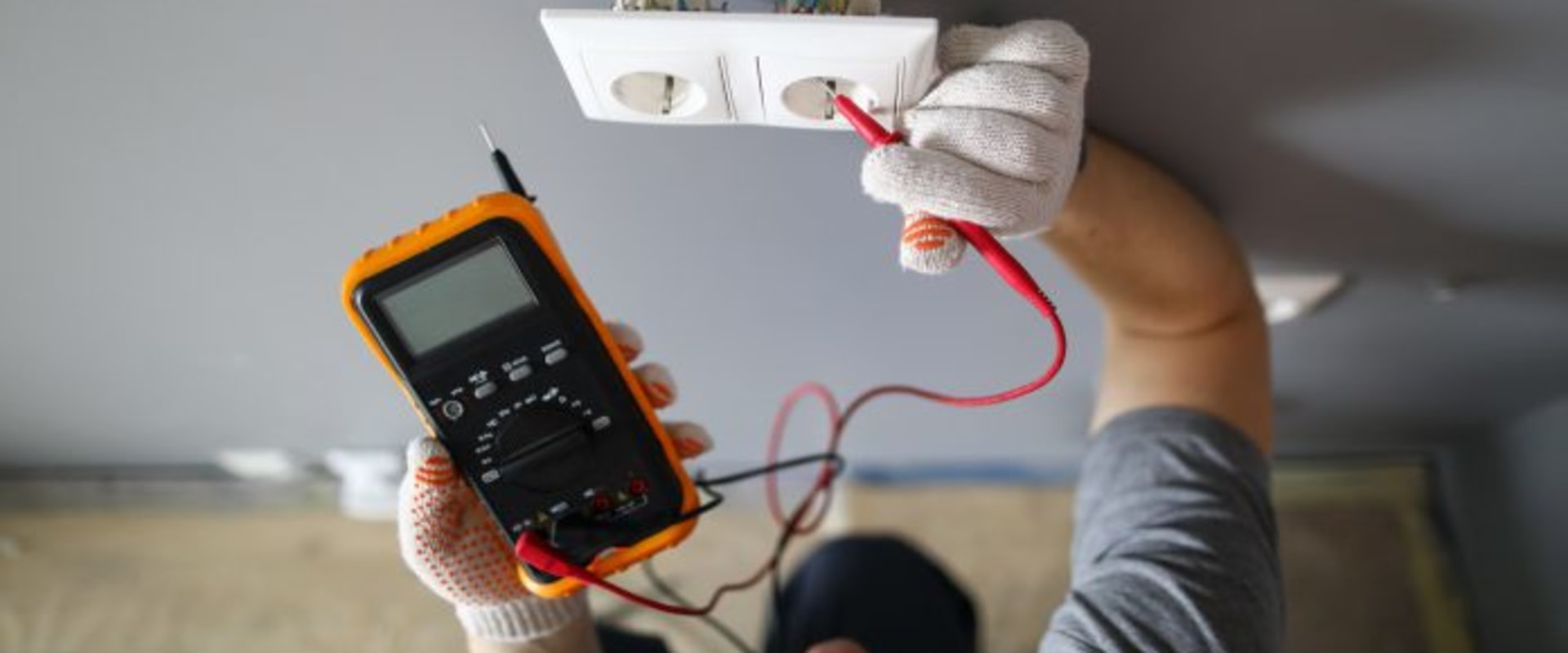
- Dead Outlets: An outlet that doesn’t work can be due to a tripped breaker, a blown fuse, or faulty wiring. Testing the outlet with a voltage tester can help determine the cause.
- Burning Smell: A burning smell near outlets or switches is a serious concern and could indicate overheating wires.
If you detect this odor, turn off the power immediately and seek professional help.If you detect this odor, turn off the power immediately and seek professional help.
- Buzzing Sounds: Buzzing noises from outlets or switches can suggest loose connections or faulty devices. This issue should be addressed promptly to prevent potential hazards.
Regular maintenance checks can also help identify potential problems before they escalate, ensuring your home remains safe and functional.
Frequent Electrical Issues and Their Solutions
Homeowners often encounter a variety of electrical issues that can disrupt daily life. Understanding these common problems and their solutions is essential for effective home repair and maintenance.Flickering Lights
One of the most frequent complaints is flickering lights. This issue can stem from several causes:- Loose Bulbs: Ensure that the light bulbs are securely tightened in their sockets.
- Faulty Wiring: If the flickering persists, it may indicate a wiring issue. In this case, consult a licensed electrician.
- Overloaded Circuits: Too many devices on one circuit can cause flickering.
Distributing the load across multiple circuits can help.
Tripped Breakers
Tripped breakers are another common electrical problem. This usually occurs when there is an overload or a short circuit. Here’s how to address it:- Identify the Cause: Unplug devices on the affected circuit and reset the breaker.
- Check for Faulty Appliances: If a specific appliance causes the trip, it may need repair or replacement.
- Avoid Overloading: Spread out high-wattage appliances across different circuits to prevent future trips.
Outlets Not Working
If you find that some outlets are not working, follow these steps:- Check for Tripped GFCI: Many outlets are connected to Ground Fault Circuit Interrupters (GFCI). Resetting these can restore power.
- Inspect Wiring Connections: Loose or damaged wiring can lead to non-functional outlets.
If you’re comfortable, check the connections; otherwise, call an electrician.
Safety Precautions When Dealing with Electrical Problems
When it comes to home repair and maintenance, addressing electrical problems requires a strong emphasis on safety. Working with electricity can be dangerous, and taking the right precautions is essential to prevent accidents and injuries.Essential Safety Tips:
- Turn Off Power: Before starting any electrical work, always turn off the power at the circuit breaker. This simple step can prevent electric shocks.
- Use Proper Tools: Ensure you have insulated tools and wear rubber-soled shoes to minimize the risk of electrical shock.
- Check for Damage: Inspect cords and outlets for any signs of wear or damage.
If you notice frayed wires or scorch marks, it’s best to replace them immediately.
- Use GFCI Outlets: Ground Fault Circuit Interrupter (GFCI) outlets are designed to protect against electrical shock. Install them in areas prone to moisture, such as kitchens and bathrooms.
- Avoid Overloading Circuits: Be mindful of how many devices you plug into a single outlet. Overloading can lead to overheating and potential fires.
When to Call a Professional:
While some minor electrical repairs can be handled by homeowners, there are situations where it’s crucial to call in a professional electrician. If you experience frequent circuit breaker trips, flickering lights, or burning smells from outlets, these could be signs of serious issues that require expert attention.
Additionally, if you’re unsure about any aspect of the repair process, it’s always safer to consult with a licensed electrician.By following these electrical safety tips, you can ensure a safer environment while tackling home repair and maintenance. Remember, safety should always be your top priority when dealing with electrical problems.
When to Call a Professional Electrician
While many home repair and maintenance tasks can be tackled by a DIY enthusiast, there are specific scenarios where hiring a professional electrician is not just advisable but essential for safety and compliance. Understanding when to call in an expert can save you time, money, and potential hazards.- Frequent Circuit Breaker Trips: If your circuit breaker trips often, it indicates an underlying issue that could lead to electrical fires. A professional can diagnose the problem and ensure your system is safe.
- Flickering or Dimming Lights: This can be a sign of overloaded circuits or faulty wiring.
An electrician can assess the situation and make necessary adjustments to prevent further issues.
- Burning Smell or Sparks: If you notice a burning smell or see sparks from outlets or switches, it’s crucial to turn off the power immediately and call a professional. These are serious signs of electrical failure that require expert intervention.
- Outdated Wiring: Homes built several decades ago may have outdated wiring that doesn’t meet current safety standards. An electrician can upgrade your system to ensure it meets modern codes.
- Installation of New Appliances: When adding high-demand appliances like ovens or HVAC systems, it’s wise to consult an electrician to ensure your home’s electrical system can handle the load.
FAQs About Home Electrical Problems
Homeowners often encounter various electrical issues that can be both frustrating and potentially hazardous.Here are some frequently asked questions regarding common electrical problems:
- What should I do if my circuit breaker keeps tripping?
If your circuit breaker frequently trips, it may indicate an overloaded circuit or a short circuit. Start by unplugging devices on that circuit to see if the breaker resets. If it continues to trip, consult a licensed electrician to inspect the wiring. - Why are my lights flickering?
Flickering lights can be caused by loose bulbs, faulty light switches, or issues with the electrical panel. Check the bulbs first; if they are secure and the problem persists, it’s best to call a professional. - What does it mean if I smell burning plastic?
A burning smell can indicate overheating wires or faulty appliances.Immediately turn off the power to the affected area and contact an electrician to assess the situation.
- How can I tell if my outlets are safe?
Check for any discoloration, warmth, or buzzing sounds coming from your outlets. If you notice any of these signs, stop using the outlet and have it inspected by a professional.
Conclusion: Ensuring Safe and Efficient Home Electrical Systems
In summary, addressing common electrical problems in your home is crucial for maintaining a safe and efficient living environment. Throughout this article, we have explored various issues such as flickering lights, tripped circuit breakers, and overloaded outlets.Each of these problems not only poses a risk to your home’s electrical system but can also lead to more severe hazards if left unattended.Regular home maintenance is essential in preventing these electrical issues from escalating. Simple practices like checking for frayed wires, ensuring proper grounding, and using surge protectors can significantly reduce the risk of electrical failures. Additionally, being proactive about scheduling professional inspections can help identify potential problems before they become serious.
Final Thoughts:
It’s important to remember that while some minor electrical issues can be addressed with DIY solutions, many situations require the expertise of a licensed electrician. Never hesitate to seek professional help when you encounter complex problems or if you feel uncertain about handling electrical repairs yourself.By staying informed and vigilant about your home’s electrical systems, you can ensure not only the safety of your household but also the longevity and efficiency of your electrical installations.
Prioritizing home repair and maintenance will ultimately lead to a more comfortable and secure living space.