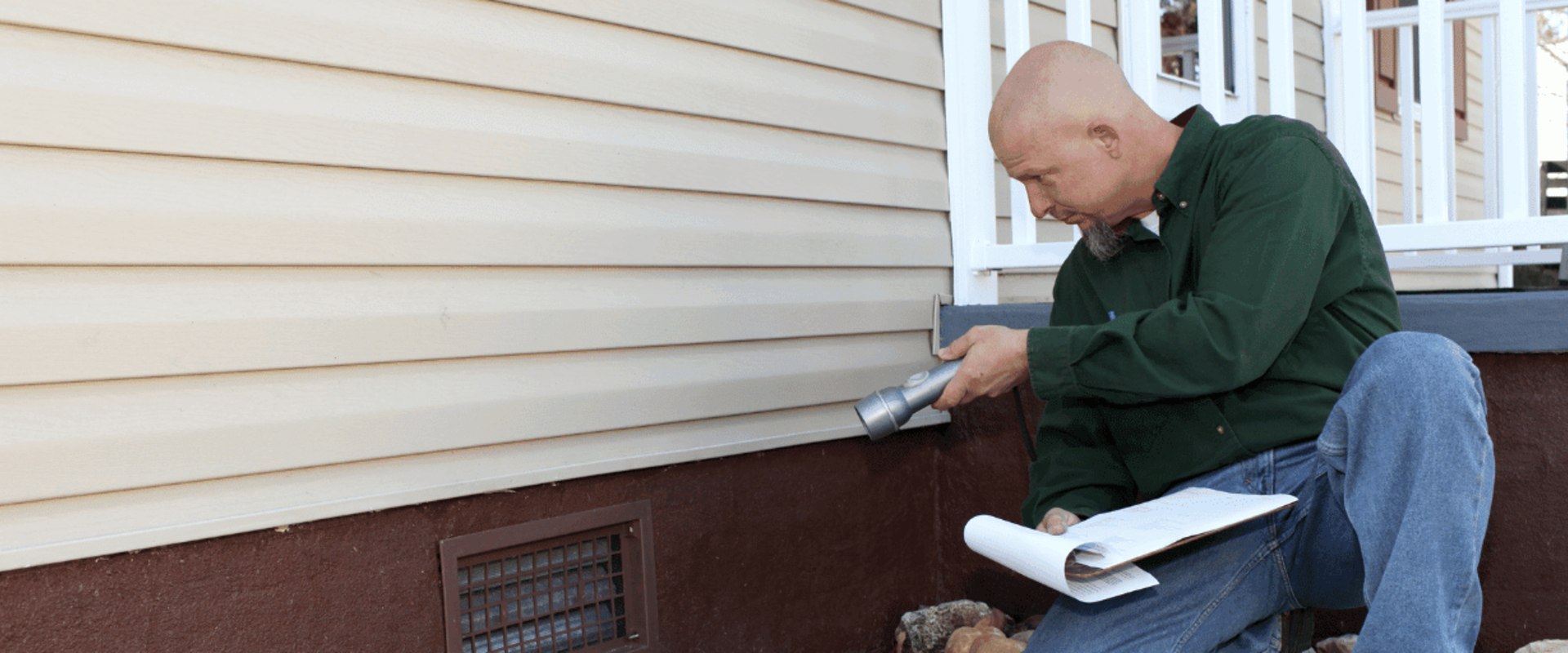
Your home is one of your most significant investments, and its foundation plays a crucial role in maintaining its overall integrity. Regular inspections of your home’s foundation are essential for identifying potential issues before they escalate into costly repairs. A small crack can quickly turn into a major problem if left unchecked, leading to structural damage that may compromise the safety of your living space, especially if you need to repair deck stairs as part of the overall maintenance. Understanding the plays a crucial role in maintaining its overall integrity. Regular inspections of your home’s foundation are essential for identifying potential issues before they escalate into costly repairs. A small crack can quickly turn into a major problem if left unchecked, leading to structural damage that may compromise the safety of your living space, especially if you need to repair deck stairs as part of the overall maintenance. Understanding the importance of foundation inspections goes beyond just protecting your investment; it also ensures the safety and comfort of your family. Signs of foundation damage can manifest in various ways, including uneven floors, doors that stick, or visible cracks in walls.
By being proactive and scheduling routine inspections, homeowners can catch these signs early and address them effectively. Moreover, home foundation maintenance is not just about fixing problems as they arise; it’s about creating a sustainable environment for your home. Regular checks can help you understand the health of your foundation and the factors that may affect it, such as soil erosion or water drainage issues. This knowledge empowers you to take preventive measures, ensuring that your home remains a safe haven for years to come.
Signs of Foundation Damage to Look For
Identifying foundation damage early can save homeowners significant time and money. Here are some key signs to look for:- Cracks in the Foundation: One of the most obvious signs of foundation issues is the presence of cracks.
These can appear in various forms, including vertical, horizontal, or diagonal cracks. While small hairline cracks may not be a cause for concern, larger cracks (wider than 1/4 inch) can indicate serious structural problems.
- Uneven Floors: If you notice that your floors are sloping or uneven, it could be a sign that your foundation is settling improperly. This can lead to further complications if not addressed promptly.
- Doors and Windows that Stick: Difficulty in opening or closing doors and windows can also signal foundation issues. If you find that your doors are sticking or not aligning properly, it may be due to shifting in the foundation.
- Gaps Around Windows and Doors: Look for gaps between the frames of windows and doors and the walls.
If these gaps are widening, it could indicate that your foundation is moving.
- Cracks in Walls: Besides foundation cracks, keep an eye out for cracks in interior walls, especially around door frames and windows. These can be a sign of shifting or settling.
How Often Should You Inspect Your Foundation?
Inspecting your foundation is a crucial aspect of home repair and maintenance. The frequency of these inspections can vary based on several factors, including climate, soil type, and the age of your home.Here are some guidelines to help you determine how often you should check your foundation:
- Annual Inspections: For most homeowners, conducting a thorough inspection of the foundation at least once a year is advisable. This allows you to catch any potential issues early before they escalate into more significant problems.
- After Severe Weather: If your area experiences heavy rainfall, flooding, or extreme temperature changes, it’s wise to inspect your foundation shortly after such events. These conditions can lead to soil erosion or shifting, which may affect the stability of your home.
- Older Homes: If your home is over 30 years old, consider increasing the frequency of your inspections to twice a year. Older homes may be more susceptible to settling and other structural issues.
- Soil Type Considerations: Homes built on expansive clay or sandy soils may require more frequent inspections.
These soil types can shift significantly with moisture changes, impacting the foundation.
Seasonal Considerations for Foundation Inspections
Understanding how seasonal changes impact your home's foundation is crucial for effective home repair and maintenance. Each season presents unique challenges that can affect the integrity of your foundation, making regular inspections essential.Winter Foundation Checks
During winter, freezing temperatures can lead to soil contraction and expansion, which may cause cracks in your foundation.It’s advisable to inspect your foundation after heavy snowfall or ice storms. Look for:
- Cracks in the foundation walls, especially horizontal ones.
- Water pooling around the foundation, which can freeze and expand.
- Shifts in the ground that may indicate settling or heaving.
Spring Inspections
As the snow melts, it’s a good time to conduct a thorough inspection. Look for:- Moisture accumulation, which can lead to mold and mildew.
- Cracks that may have widened during winter.
- Drainage issues, ensuring water flows away from the foundation.
Summer Home Maintenance
In summer, focus on maintaining proper drainage and ventilation. Inspect:- Gutters and downspouts, ensuring they direct water away from the foundation.
- Landscaping, making sure plants are not too close to the foundation.
- Cracks, as heat can exacerbate existing issues.
Fall Preparations
As temperatures drop, prepare your home for winter by checking:- Insulation, ensuring it’s adequate to prevent frost from affecting the foundation.
- Drainage systems, clearing leaves and debris that could block water flow.
- Crawl spaces, ensuring they are dry and well-ventilated.
By being vigilant throughout the year, you can ensure your home remains safe and structurally sound.
DIY vs. Professional Inspections: What You Need to Know
When it comes to inspecting your home’s foundation, homeowners often face the choice between conducting a DIY foundation inspection or hiring a professional. Each approach has its own set of advantages and disadvantages that can significantly impact the outcome of your inspection.DIY Foundation Inspection
A DIY foundation inspection can be a cost-effective way to monitor your home for potential issues. Here are some benefits:- Cost Savings: Performing the inspection yourself eliminates labor costs associated with hiring a professional.
- Flexibility: You can inspect your foundation at your convenience, allowing for regular checks as needed.
- Increased Awareness: By familiarizing yourself with your home’s foundation, you become more attuned to any changes or potential problems.
- Lack of Expertise: Without professional training, you may miss subtle signs of damage that could lead to larger issues.
- Time-Consuming: A thorough inspection requires time and effort, which may not be feasible for all homeowners.
Professional Foundation Inspection Benefits
Hiring a professional for a foundation inspection offers several key benefits:- Expertise and Experience: Professionals have the training and experience to identify issues that may not be visible to the untrained eye.
- Comprehensive Assessment: A professional inspection typically includes a detailed report outlining any findings and recommendations for repairs.
- Peace of Mind: Knowing that a qualified expert has evaluated your foundation can alleviate concerns about potential damage.
When to Hire a Pro
If you notice significant cracks, uneven floors, or doors that stick, it may be time to hire a professional.Additionally, if you’re unsure about how to conduct an effective DIY inspection or if you simply want reassurance about your findings, enlisting an expert is advisable. Regular maintenance and timely inspections can save you from costly repairs down the line, making it essential to weigh your options carefully.
Common Causes of Foundation Cracks and Damage
Understanding the common causes of foundation cracks and damage is essential for homeowners looking to maintain their property. Several factors can contribute to foundation issues, and being aware of these can help in taking preventive measures.- Poor Drainage: One of the leading causes of foundation damage is inadequate drainage around the home. When water accumulates near the foundation, it can lead to soil saturation, which increases pressure on the foundation walls.
This pressure can cause cracks and even structural failure over time.
- Soil Erosion: Soil erosion can significantly impact the stability of your foundation. If the soil beneath your home washes away due to heavy rains or poor landscaping practices, it can create voids that lead to settling or shifting of the foundation.
- Tree Roots: While trees add beauty to your landscape, their roots can pose a threat to your foundation. As roots grow, they can exert pressure on the foundation walls or even penetrate them, leading to cracks and other forms of damage.
- Water Damage: Water is a double-edged sword when it comes to foundations. While some moisture is necessary for soil stability, excessive water can lead to hydrostatic pressure, which pushes against foundation walls.
This pressure can result in cracks and leaks in basements or crawl spaces.
Repairing Foundation Damage: Options and Costs
When it comes to repairing foundation damage, homeowners have several options to consider, each with its own set of costs and effectiveness. Understanding these methods can help you make informed decisions about maintaining your home.Foundation Repair Options
- Crack Injection: This method involves injecting a specialized epoxy or polyurethane foam into cracks to seal them. It is typically used for small to moderate cracks and can cost between $300 and $1,000 depending on the size and number of cracks.
- Steel Piers: For more severe foundation issues, steel piers can be installed to stabilize the foundation.
This method is more invasive and can range from $1,000 to $3,000 per pier, with multiple piers often needed.
- Helical Piers: Similar to steel piers, helical piers are used for lifting and stabilizing foundations. They are particularly effective in unstable soil conditions and can cost between $1,500 and $2,500 per pier.
- Slabjacking: This technique involves pumping a mixture beneath a concrete slab to lift it back into place. Costs for slabjacking typically range from $500 to $1,500 depending on the area being treated.
Cost of Foundation Repair
The total cost of foundation repair can vary significantly based on the extent of the damage, the repair method chosen, and your geographical location. On average, homeowners can expect to pay anywhere from $2,000 to $7,000 for comprehensive repairs.It's essential to obtain multiple quotes from reputable contractors to ensure you receive a fair price. Additionally, regular inspections can help identify issues early on, potentially saving you money in the long run. If you notice any signs of foundation damage such as cracks in walls or uneven floors, it’s advisable to consult a professional as soon as possible. In conclusion, understanding your options for fixing cracks in foundation and their associated costs is crucial for effective home repair and maintenance. By being proactive about foundation care, you can protect your investment and ensure the safety of your home.
Frequently Asked Questions About Foundation Inspections
Homeowners often have questions about foundation inspections, especially when it comes to understanding the signs of potential issues and the frequency of inspections. Here are some common queries:- How often should I inspect my foundation? It is generally recommended to inspect your foundation at least once a year.
However, if you live in an area prone to extreme weather conditions or have experienced heavy rainfall or drought, more frequent inspections may be necessary.
- What should I look for during a foundation inspection? When inspecting your foundation, look for visible cracks, uneven floors, doors and windows that stick, and any signs of water pooling around the foundation. These can all indicate potential problems.
- Are small cracks in my foundation a cause for concern? Small cracks are common and may not indicate serious issues. However, if they widen or if you notice additional symptoms like shifting or settling, it’s wise to consult a professional.
- Can I perform a foundation inspection myself? Yes, homeowners can conduct basic inspections by checking for visible signs of damage. However, for a thorough evaluation, especially if you suspect significant issues, hiring a professional is advisable.
- What are the benefits of regular foundation inspections? Regular inspections can help identify problems early, potentially saving you from costly repairs down the line.
They also provide peace of mind knowing that your home’s structural integrity is being monitored.
Conclusion: Keeping Your Home Safe with Regular Foundation Inspections
In conclusion, regular inspections of your home's foundation are crucial for ensuring its long-term stability and safety. By being proactive and vigilant, homeowners can identify potential issues before they escalate into costly repairs. Remember, the foundation is the backbone of your home, and any signs of cracks or damage should not be ignored. Throughout this article, we discussed the importance of inspecting your foundation at least twice a year, ideally during the spring and fall. These seasonal checks allow you to catch any changes that may have occurred due to weather conditions or soil movement.Additionally, after significant weather events such as heavy rains or snowmelt, it’s wise to conduct an inspection. Key indicators to look for include:
- Visible cracks in walls or floors
- Uneven floors or doors that stick
- Water pooling near the foundation
- Mold or mildew growth in basements or crawl spaces