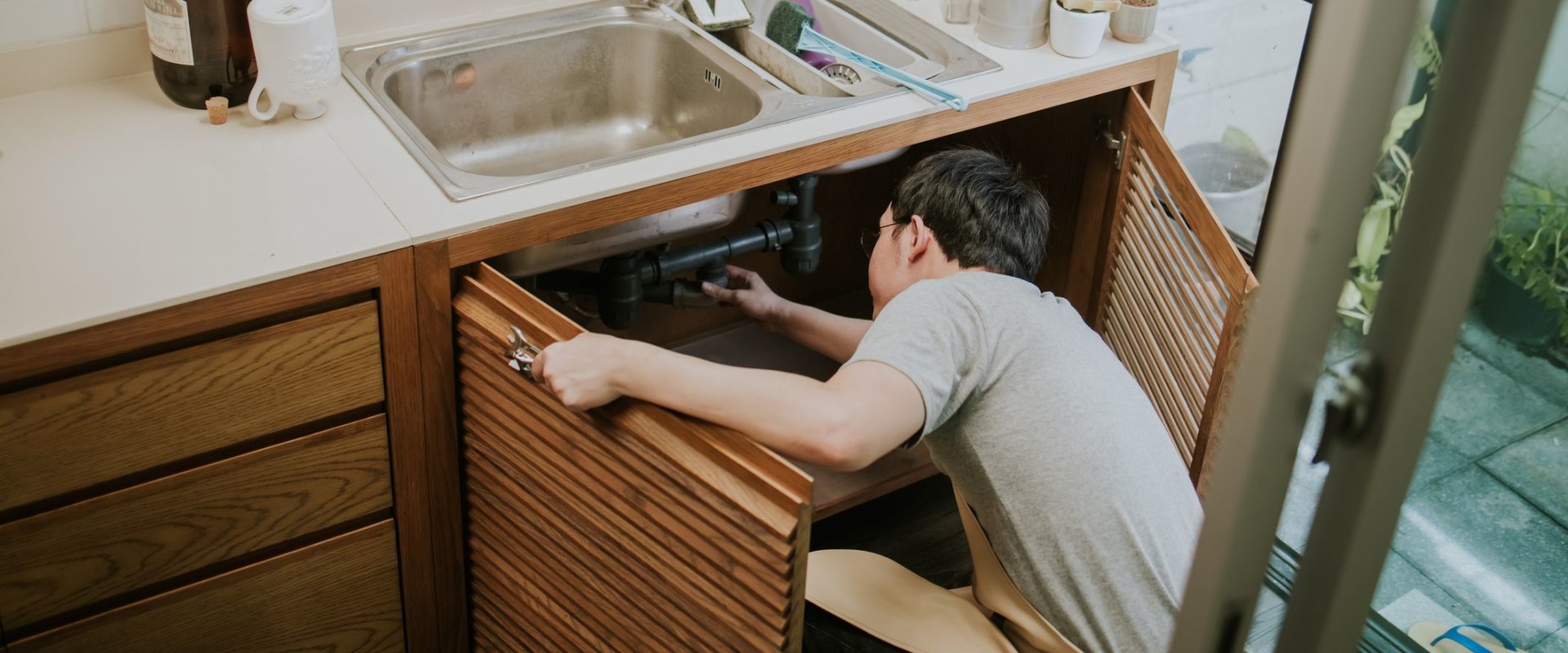
Home repair and maintenance are essential components of responsible homeownership. Understanding the intricacies of these processes not only helps in preserving the aesthetic appeal of your property but also plays a crucial role in maintaining its overall value. Regular upkeep can prevent minor issues from escalating into major problems, which can be both costly and time-consuming to fix. By prioritizing home maintenance, homeowners can ensure that their living environment remains safe and comfortable for all occupants. The importance of maintenance extends beyond mere aesthetics; it encompasses the structural integrity and functionality of your home.
For instance, neglecting routine checks on plumbing, electrical systems, and roofing can lead to significant hazards, including water damage or fire risks. By investing time and resources into home repair tasks, you not only safeguard your investment but also enhance the quality of life for you and your family. Moreover, understanding the basics of home repair and maintenance empowers homeowners to take proactive measures. This knowledge can lead to early detection of potential issues, allowing for timely interventions that save money in the long run. Whether it’s learning how to fix a leaky faucet or recognizing when to call in a professional, being informed is key to effective home management.
Embracing a mindset focused on maintenance will ultimately lead to a more resilient and enjoyable living space.
Regular Inspections: The Key to Prevention
Regular home inspections are a crucial aspect of home repair and maintenance. By conducting these inspections, homeowners can identify potential issues before they escalate into costly repairs. A proactive approach not only saves money but also ensures the safety and longevity of your home.During a home inspection, it’s essential to focus on several key areas:- Roof and Gutters: Check for missing shingles, leaks, or debris that could block water flow.
- Foundation: Look for cracks or signs of settling that may indicate structural issues.
- Plumbing: Inspect pipes for leaks, corrosion, or signs of water damage.
- Electrical Systems: Ensure outlets and switches function properly and check for frayed wires.
- HVAC Systems: Regularly change filters and check for any unusual noises or inefficiencies.
For example, roof inspections might be done annually, while HVAC systems could be checked biannually.In addition to identifying issues, regular inspections can also enhance your home’s value. A well-maintained property is more appealing to potential buyers and can lead to higher resale prices. Furthermore, many insurance companies offer discounts for homes that undergo regular maintenance checks, making it a financially savvy choice.In conclusion, prioritizing regular home inspections is an effective strategy in preventive maintenance. By staying vigilant and addressing minor issues promptly, homeowners can protect their investment and ensure a safe living environment.
Seasonal Maintenance Tasks to Keep Your Home in Shape
Maintaining your home throughout the year is essential to prevent common issues that can arise from neglect.By performing seasonal home maintenance tasks, you can ensure your home remains in good shape and avoid costly repairs down the line. Here’s a breakdown of essential tasks for each season:
Spring Maintenance
- Inspect the Roof: Check for missing or damaged shingles and clear any debris from gutters.
- Service HVAC Systems: Replace filters and schedule a professional inspection to prepare for warmer months.
- Check Windows and Doors: Inspect seals and caulking for leaks, and replace weather stripping as needed.
- Clean Outdoor Spaces: Power wash decks, patios, and outdoor furniture to remove winter grime.
Summer Maintenance
- Inspect the Lawn: Regularly mow, water, and fertilize to keep your yard healthy.
- Check Sprinkler Systems: Ensure all heads are functioning properly and adjust for even coverage.
- Maintain Outdoor Equipment: Clean and service lawnmowers, grills, and other outdoor tools.
Fall Maintenance
- Prepare Heating Systems: Schedule a furnace inspection and replace filters to ensure efficiency.
- Clean Gutters: Remove leaves and debris to prevent clogs that can lead to water damage.
- Inspect Insulation: Check attic insulation and add more if necessary to keep heating costs down.
Winter Preparation
- Seal Drafts: Use caulk or weather stripping around windows and doors to keep cold air out.
- Protect Pipes: Insulate exposed pipes to prevent freezing during extreme temperatures.
- Stock Emergency Supplies: Keep essentials like flashlights, batteries, and non-perishable food on hand in case of winter storms.
Common Home Maintenance Issues and How to Prevent Them
Homeowners often face a variety of common home maintenance issues that can lead to costly repairs if not addressed promptly. Understanding these issues and implementing preventive measures can save time, money, and stress.Plumbing Problems
One of the most frequent issues is plumbing leaks, which can cause significant water damage and mold growth. To prevent plumbing problems:- Inspect pipes regularly for signs of wear or corrosion.
- Check for leaks under sinks and around toilets.
- Insulate pipes in colder areas to prevent freezing.
- Know the location of your main water shut-off valve in case of emergencies.
Roof Leaks
Roof leaks can lead to extensive damage if not caught early.To maintain your roof:
- Inspect your roof at least twice a year for missing shingles or signs of wear.
- Clean gutters regularly to ensure proper drainage and prevent water buildup.
- Trim overhanging branches that could damage the roof during storms.
- Consider a professional inspection after severe weather events.
Pest Control
Pest infestations can compromise the integrity of your home. To keep pests at bay:- Seal cracks and gaps in walls, windows, and doors to prevent entry.
- Store food properly, using airtight containers to deter pests.
- Maintain a clean yard, removing debris and standing water where pests breed.
- Schedule regular pest inspections with a professional service.
The Importance of Proper Ventilation and Insulation
Proper ventilation and insulation are crucial components in maintaining a healthy and efficient home. When these elements are neglected, homeowners can face a myriad of issues, including moisture buildup, mold growth, and increased energy costs.Understanding Ventilation
- Home ventilation refers to the process of replacing stale indoor air with fresh outdoor air. This exchange is vital for controlling humidity levels and preventing the accumulation of harmful pollutants.
- Inadequate ventilation can lead to excess moisture, which not only damages walls and ceilings but also creates an environment conducive to mold and mildew.
Insulation's Role in Energy Efficiency
- Insulation helps maintain a consistent indoor temperature by reducing heat transfer between the inside and outside of your home.
This is essential for energy efficiency.
- Without proper insulation, your heating and cooling systems must work harder, leading to higher energy bills and increased wear on equipment.
Tips for Improving Ventilation and Insulation
- Regularly check and clean vents, ducts, and exhaust fans to ensure they are functioning properly.
- Consider installing a whole-house ventilation system if your home lacks adequate airflow.
- Inspect your insulation levels in attics, basements, and crawl spaces. Upgrading to modern insulation materials can significantly improve energy efficiency.
- Seal any gaps or cracks around windows and doors to prevent air leaks that compromise both ventilation and insulation.
DIY vs. Professional Help: When to Call an Expert
When it comes to home repair and maintenance, one of the most critical decisions homeowners face is whether to tackle repairs themselves or hire a professional.Understanding the balance between DIY home repairs and knowing when to call in an expert can save you time, money, and stress.
Assessing Your Skills and Tools
Before diving into a repair project, evaluate your skills and the tools at your disposal. Simple tasks like painting a room, changing light fixtures, or unclogging a sink can often be handled by most homeowners with basic tools and some online guidance. However, if a project requires specialized tools or advanced skills—such as electrical work or plumbing—it's wise to consider hiring a professional.
Understanding the Complexity of Repairs
- Minor Repairs: Tasks like patching drywall or replacing cabinet hardware are typically straightforward and can be done by most DIY enthusiasts.
- Moderate Repairs: Projects such as installing a new faucet or repairing a leaky roof may require some experience. If you're unsure, consult online tutorials or ask for advice from knowledgeable friends.
- Major Repairs: Issues involving structural changes, extensive plumbing, or electrical systems should generally be left to professionals.
These repairs not only require expertise but also adherence to local building codes.
When to Call a Contractor
If you find yourself facing a repair that seems overwhelming or beyond your skill set, it’s time to call in a contractor. Additionally, if the repair could potentially lead to safety hazards—like gas line issues or significant electrical problems—don’t hesitate to seek professional help. Hiring an expert not only ensures the job is done correctly but also provides peace of mind that your home is safe and sound.In conclusion, while DIY home repairs can be rewarding and cost-effective, knowing when to hire a professional is equally important. By assessing your skills and understanding the complexity of the task at hand, you can make informed decisions that will keep your home in top shape.
Budgeting for Home Maintenance: Planning Ahead
When it comes to home repair and maintenance, having a solid financial plan is crucial.Unexpected repairs can arise at any time, and being prepared can save you from financial strain. Here are some strategies to help you effectively budget for both regular maintenance and unforeseen issues.
Establish a Home Maintenance Budget
Start by determining a reasonable annual budget for home maintenance. A common rule of thumb is to allocate about 1% to 3% of your home’s value each year for maintenance costs. For example, if your home is valued at $300,000, you should plan to spend between $3,000 and $9,000 annually on upkeep.Prioritize Regular Maintenance
Regular maintenance tasks can prevent larger issues down the line.Create a list of essential tasks such as:
- Inspecting and cleaning gutters
- Changing air filters in HVAC systems
- Checking smoke detectors and carbon monoxide alarms
- Sealing windows and doors to prevent drafts
Set Aside an Emergency Fund
In addition to your regular maintenance budget, it’s wise to set aside funds specifically for emergencies. Aim for at least 3% to 5% of your home’s value in an emergency fund. This fund will be invaluable when unexpected issues arise, such as a leaky roof or a broken furnace.Track Your Expenses
Keep detailed records of all your home repair and maintenance expenses. This will help you identify trends in your spending and adjust your budget accordingly.You may find that certain repairs are more frequent than anticipated, allowing you to reallocate funds as needed.By planning ahead and being proactive about budgeting for home maintenance, you can ensure that your finances remain stable while keeping your home in excellent condition.
FAQs About Home Repair and Maintenance
When it comes to home repair and maintenance, homeowners often have a myriad of questions. Here are some of the most frequently asked questions that can help you navigate common issues:What are the most common home maintenance tasks?
Regular maintenance is crucial for preventing larger issues down the line. Some of the most common tasks include:- Inspecting and cleaning gutters at least twice a year to prevent water damage.
- Changing air filters in HVAC systems every 1-3 months for optimal efficiency.
- Checking smoke detectors and carbon monoxide detectors monthly.
- Sealing windows and doors to improve energy efficiency.
- Flushing water heaters annually to remove sediment buildup.
How can I identify potential repair issues early?
Being proactive can save you time and money. Look for these signs:- Water stains on ceilings or walls, which may indicate leaks.
- Damp or musty odors, suggesting mold or moisture problems.
- Creaking or squeaking floors, which could signal structural issues.
- Pest sightings, indicating potential infestations that need immediate attention.
What are some tips for DIY home repairs?
If you're considering tackling repairs yourself, keep these tips in mind:- Research thoroughly: Watch tutorials and read guides specific to your issue.
- Invest in quality tools: Having the right tools can make a significant difference in your repair efforts.
- Know your limits: If a job seems too complex, don’t hesitate to call a professional.
- Document your repairs: Keep records of what you’ve done for future reference.
Conclusion: Proactive Steps for a Well-Maintained Home
In conclusion, maintaining a home is not just about addressing issues as they arise; it’s about adopting a proactive approach to home repair and maintenance.By implementing the strategies discussed throughout this article, homeowners can significantly reduce the risk of common maintenance problems and enhance the longevity of their property. To recap, here are some essential steps to ensure your home remains in top condition:
- Regular Inspections: Schedule routine checks for your roof, plumbing, and electrical systems to catch potential issues early.
- Seasonal Maintenance: Prepare your home for seasonal changes by cleaning gutters, checking heating and cooling systems, and sealing windows and doors.
- Invest in Quality Materials: When making repairs or upgrades, choose high-quality materials that will withstand wear and tear over time.
- Stay Organized: Keep a maintenance schedule and checklist to track tasks that need attention, ensuring nothing is overlooked.