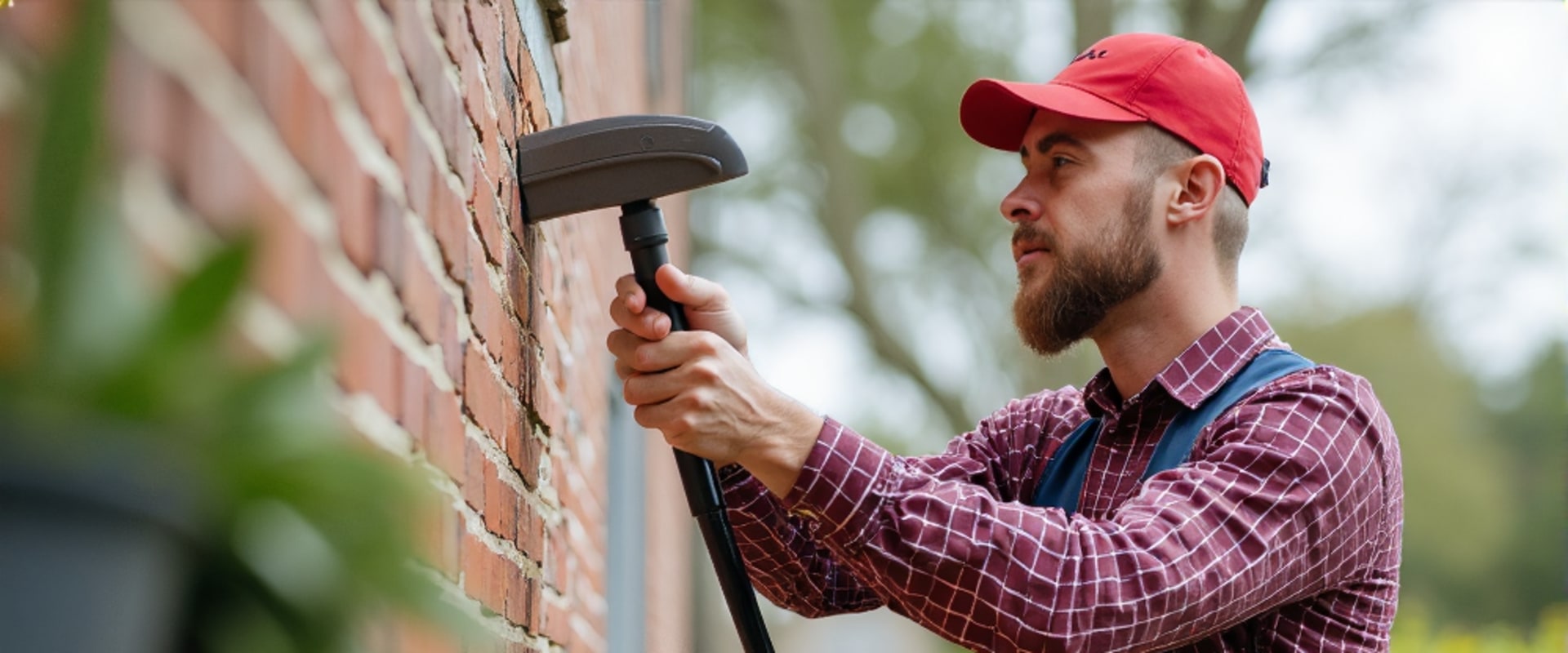
Home repair and maintenance are essential components of responsible homeownership. Regular upkeep not only enhances the aesthetic appeal of your property but also plays a crucial role in preserving its value over time. When homeowners neglect these tasks, they risk facing more significant issues down the line, which can lead to costly repairs and a decrease in property value. Understanding the importance of home upkeep is vital for anyone looking to maintain a safe and comfortable living environment. Performing routine maintenance tasks can prevent minor issues from escalating into major problems.
For instance, regular inspections of your roof, plumbing, and electrical systems can help identify potential hazards before they become serious threats. Additionally, keeping up with seasonal maintenance—such as gutter cleaning in the fall or HVAC servicing in the spring—ensures that your home remains in optimal condition throughout the year. Moreover, a well-maintained home contributes to the overall safety and well-being of its occupants. Issues like mold growth, pest infestations, or structural damage can pose health risks and compromise the integrity of your living space. By prioritizing home repair and maintenance, you not only protect your investment but also create a healthier environment for you and your family.
Monthly Home Maintenance Tasks
Maintaining a safe and efficient home requires regular attention to various tasks.Performing monthly home maintenance tasks not only enhances the longevity of your home but also ensures the safety and comfort of your family. Here are some essential tasks to include in your home upkeep schedule:
- Check Smoke Detectors: Test your smoke detectors to ensure they are functioning properly. Replace batteries if necessary, and consider replacing the entire unit every ten years.
- Change Air Filters: Replace or clean your HVAC system's air filters monthly. This helps maintain air quality and improves energy efficiency. Replace or clean your HVAC system's air filters monthly. This helps maintain air quality and improves energy efficiency.
- Inspect Fire Extinguishers: Check that fire extinguishers are easily accessible and fully charged.
Ensure that they are not expired and have been inspected according to local regulations.
- Clean Kitchen Appliances: Wipe down the exterior of kitchen appliances and clean the interior of your microwave, oven, and refrigerator to prevent buildup and maintain hygiene.
- Test GFCI Outlets: Press the test button on Ground Fault Circuit Interrupter (GFCI) outlets in kitchens and bathrooms to ensure they are working correctly.
- Inspect Plumbing Fixtures: Check under sinks for leaks or signs of water damage. Tighten any loose fittings and replace worn washers to prevent future issues.
- Examine Exterior Lighting: Test outdoor lights to ensure they are functioning properly. Replace any burnt-out bulbs to enhance security around your home.
Annual Home Maintenance Responsibilities
Performing annual home maintenance tasks is essential for preserving the integrity of your home and preventing costly repairs in the future.By dedicating time each year to specific upkeep activities, you can ensure that your property remains safe and functional.Here are some critical yearly home upkeep tasks to consider:
- Roof Inspections: Inspect your roof for any signs of damage, such as missing shingles or leaks. Early detection can prevent more extensive repairs later.
- Gutter Cleaning: Clear out leaves and debris from gutters to ensure proper drainage. Clogged gutters can lead to water damage and foundation issues.
- HVAC System Check: Schedule a professional inspection of your heating and cooling systems. Regular maintenance can improve efficiency and extend the lifespan of your units.
- Exterior Painting: Inspect the exterior paint for peeling or fading.
Touching up paint not only enhances curb appeal but also protects wood surfaces from moisture damage.
- Deck Maintenance: If you have a deck, check for loose boards or signs of rot. Cleaning and sealing your deck annually can prolong its life.
- Smoke Detector Testing: Test smoke detectors and replace batteries as needed. This simple task can save lives in case of a fire.
Signs That Indicate Immediate Home Repairs Are Needed
Homeowners should be vigilant about the condition of their property, as certain signs can indicate that immediate home repairs are necessary.Recognizing these signs early can prevent more extensive damage and costly repairs down the line.
- Water Leaks: One of the most urgent signs is the presence of water leaks. If you notice water stains on ceilings or walls, or if you find puddles in your basement, it’s crucial to address these issues immediately. Water damage can lead to mold growth and structural problems.
- Cracks in Walls or Foundation: Small cracks may seem harmless, but larger cracks, especially those that are widening or shifting, can indicate serious structural issues. If you see cracks that are more than a quarter-inch wide, it’s time to call a professional.
- Electrical Issues: Flickering lights, frequently tripped circuit breakers, or outlets that feel warm to the touch are all signs of electrical problems.
These issues can pose fire hazards and should be addressed by a qualified electrician without delay.
- Roof Damage: Missing shingles, sagging areas, or leaks in the attic can signal that your roof needs immediate attention. A compromised roof can lead to significant water damage and should be inspected by a roofing professional.
- Pest Infestations: If you notice signs of pests such as droppings, chewed wires, or nests, it’s essential to act quickly. Pests can cause extensive damage to your home and may pose health risks.
DIY vs.
Professional Help: When to Call an ExpertWhen it comes to home repair and maintenance, one of the most critical decisions homeowners face is whether to tackle repairs themselves or hire a professional. Understanding the balance between DIY home repairs and seeking expert help can save you time, money, and potential safety hazards.
Assessing Your Skills and Tools
Before diving into a DIY project, evaluate your skills and the tools at your disposal. Simple tasks like painting, changing light fixtures, or fixing minor leaks can often be handled by homeowners with basic tools and a bit of research. However, more complex issues such as electrical work, plumbing problems, or structural repairs typically require specialized knowledge and equipment.
Cost Considerations
While DIY projects can save on labor costs, they may not always be the most economical choice.
Consider the following:
- Material Costs: Sometimes, purchasing materials for a DIY project can be more expensive than hiring a professional who has access to wholesale prices.
- Time Investment: Factor in the time you’ll spend on a project. If it takes you several weekends to complete a task that a professional could finish in a day, the time lost could outweigh any savings.
- Potential Mistakes: Mistakes in DIY projects can lead to costly repairs down the line. If you're unsure about your ability to complete a task correctly, it may be wiser to hire an expert from the start.
When to Call an Expert
Certain situations clearly warrant professional help:
- If the repair involves major systems like plumbing or electrical work.
- If local building codes require permits that you are unfamiliar with.
- If safety is a concern—working at heights or with hazardous materials should be left to professionals.
Frequently Asked Questions About Home Maintenance Frequency
When it comes to home repair and maintenance, many homeowners have questions about how often they should perform various tasks.Here are some of the most frequently asked questions regarding home maintenance frequency:
How often should I change my air filters?
It is recommended to change your HVAC air filters every 1 to 3 months. This helps maintain air quality and system efficiency. If you have pets or allergies, consider changing them more frequently.What is the frequency for gutter cleaning?
Gutters should be cleaned at least twice a year, ideally in the spring and fall. However, if you live in an area with many trees, you may need to clean them more often to prevent clogs.How often should I check smoke detectors?
Smoke detectors should be tested monthly, and batteries should be replaced at least once a year.It’s also a good practice to replace the entire unit every 10 years.
What about my water heater?
Your water heater should be flushed annually to remove sediment buildup. Additionally, check the anode rod every 2 to 3 years and replace it if necessary to prolong the life of your unit.How often do I need to inspect my roof?
A roof inspection is recommended at least once a year, especially after severe weather events. Look for missing shingles, leaks, or signs of wear that may require attention.What maintenance does my lawn need?
- Mow your lawn regularly during the growing season, typically every 1 to 2 weeks.
- Fertilize your lawn at least twice a year, in spring and fall.
- Aerate your lawn every 1 to 2 years to promote healthy growth.
Conclusion: Keeping Your Home in Top Shape Year-Round
In conclusion, maintaining your home is not just a seasonal chore; it is a vital practice that ensures the longevity and safety of your living space.Regular home repair and maintenance tasks can prevent minor issues from escalating into costly repairs, ultimately saving you time and money. Throughout this article, we have emphasized the importance of creating a structured maintenance schedule. By breaking down tasks into monthly, seasonal, and annual categories, you can effectively manage your home’s upkeep without feeling overwhelmed. Here are some key takeaways:
- Monthly Tasks: Check smoke detectors, replace air filters, and inspect plumbing for leaks.
- Seasonal Tasks: Clean gutters, service HVAC systems, and inspect roofs for damage.
- Annual Tasks: Schedule professional inspections for major systems like electrical and plumbing.
It allows you to identify potential problems early on, ensuring that your home remains a safe haven for you and your family. Remember, a well-maintained home is not just about aesthetics; it’s about creating a secure and welcoming space that you can enjoy for years to come.