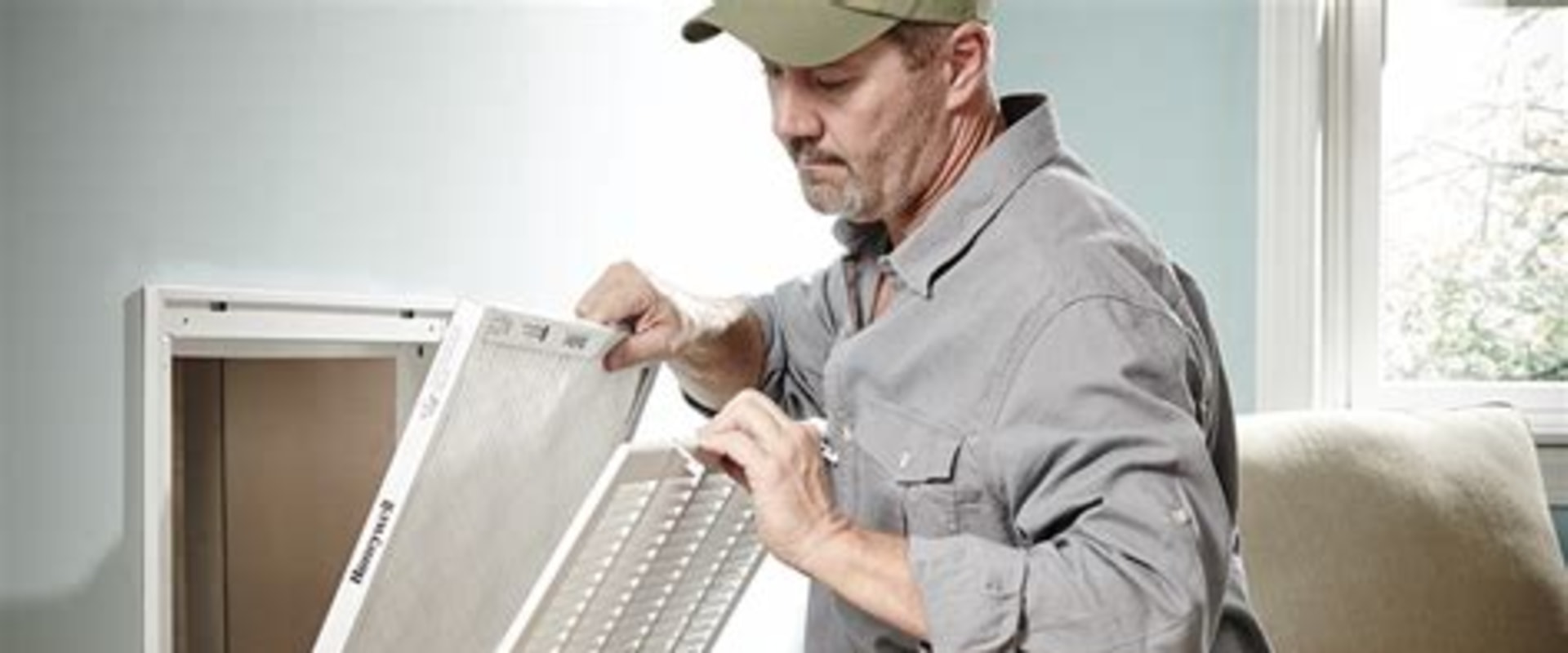
In the realm of home repair and maintenance, one often overlooked yet vital component is the air filter. These filters play a crucial role in ensuring that the air circulating within your home remains clean and free from harmful pollutants. By trapping dust, allergens, and other particulates, air filters significantly contribute to maintaining a healthy indoor environment. Understanding their importance is essential for any homeowner looking to enhance their living space. Indoor air quality can greatly affect your health and well-being.
Poor air quality has been linked to various health issues, including respiratory problems, allergies, and even chronic illnesses. Regularly changing your air filters is a simple yet effective way to improve the air you breathe. When filters become clogged with dirt and debris, they not only fail to perform their function but can also lead to increased energy consumption as your HVAC system works harder to push air through. Moreover, incorporating regular maintenance of air filters into your home care routine can extend the lifespan of your heating and cooling systems. A well-maintained system operates more efficiently, reducing the likelihood of costly repairs down the line.
Therefore, understanding the importance of air filters is not just about immediate health benefits; it’s also about long-term savings and comfort in your home.
How Often Should You Change Your Air Filters?
Changing your air filters regularly is crucial for maintaining a healthy home environment and ensuring your HVAC system operates efficiently. The frequency of air filter replacement can vary based on several factors, including the type of filter you use, how often you run your heating and cooling systems, and the specific conditions in your home.General Guidelines for Air Filter Replacement:
- Standard fiberglass filters: These should typically be replaced every 30 days.
- Pleated filters: Depending on the MERV rating, these can last anywhere from 90 days to 6 months.
- HEPA filters: These high-efficiency filters can last up to a year, but it’s essential to check them regularly.
Factors Influencing Replacement Frequency:
- Usage: If you run your HVAC system frequently, you may need to change your filters more often.
- Pets: Homes with pets may require more frequent changes due to dander and hair.
- Allergies: If anyone in your household suffers from allergies, consider changing filters every month to improve air quality.
- Environmental conditions: Areas with high dust or pollen levels may necessitate more frequent replacements.
Factors Influencing Air Filter Change Frequency
When it comes to determining how often to change your air filters, several factors can significantly influence the frequency of replacement.Understanding these factors can help you maintain a healthier indoor environment and improve the efficiency of your HVAC system.
- Presence of Pets: If you have pets in your home, you may need to change your air filters more frequently. Pet dander, hair, and other allergens can clog filters quickly, reducing their effectiveness. For homes with one or more pets, consider changing filters every 1-2 months.
- Allergies: Individuals with allergies may benefit from more frequent filter changes. If someone in your household suffers from allergies, changing the air filter every month can help reduce allergens in the air, providing a more comfortable living space.
- Type of HVAC System: The type of HVAC system you have can also dictate how often you should change your air filters.
Systems that use high-efficiency particulate air (HEPA) filters may require less frequent changes compared to standard fiberglass filters. Always refer to the manufacturer’s guidelines for specific recommendations.
- Usage Patterns: The frequency of HVAC system use plays a crucial role as well. During peak seasons—like summer and winter—when heating or cooling is used extensively, filters may need to be changed more often due to increased dust and debris circulation.
- Environmental Factors: If you live in an area with high levels of dust, pollen, or pollution, this can also affect how quickly your air filters become dirty. In such cases, consider checking and replacing filters every month.
Types of Air Filters and Their Lifespan
When it comes to home repair and maintenance, understanding the different types of air filters and their respective lifespans is crucial for maintaining indoor air quality.Here are some common types of air filters:
- HEPA Filters: High-Efficiency Particulate Air (HEPA) filters are designed to trap 99.97% of particles that are 0.3 microns or larger. These filters are ideal for households with allergies or respiratory issues. Typically, HEPA filters should be replaced every 6 to 12 months, depending on usage and environmental factors.
- Fiberglass Filters: These are the most basic type of air filter, made from layered fiberglass strands. They are effective at capturing larger particles but do not filter out smaller allergens as effectively as HEPA filters.
Fiberglass filters should be changed every 30 days, making them a more frequent maintenance task.
- Pleated Filters: Pleated air filters have a larger surface area than fiberglass filters, allowing them to capture more dust and allergens. They can last anywhere from 3 to 6 months, depending on the specific model and household conditions.
- Electrostatic Filters: These filters use static electricity to attract and capture particles. They can be washable and reusable, which can save money in the long run. However, they should still be cleaned or replaced every 1 to 3 months.
- The number of pets in the home
- The presence of smokers
- The frequency of HVAC system use
- The overall air quality in your area
Signs That Indicate It's Time to Change Your Air Filter
Recognizing the signs that indicate it's time to change your air filter is crucial for maintaining a healthy home environment.Here are some common indicators that your air filter may need replacing:
- Increased Energy Bills: If you notice a sudden spike in your energy costs, it could be due to a clogged air filter. A dirty filter forces your HVAC system to work harder, leading to higher energy consumption.
- Dust Accumulation: If you find dust settling on surfaces more quickly than usual, it may be a sign that your air filter is not effectively trapping particles. A clean filter helps reduce dust circulation in your home.
- Allergy Symptoms: If you or your family members experience increased allergy symptoms, such as sneezing or nasal congestion, it might be time to check your air filter. A dirty filter can circulate allergens and irritants throughout your home.
- Visible Dirt on the Filter: One of the most straightforward indicators is the appearance of the filter itself.
If you can see dirt and debris on the filter, it’s time for a change. Ideally, filters should be replaced before they become visibly dirty.
- Unusual Odors: If you detect musty or unpleasant odors coming from your HVAC system, it could be due to mold or bacteria buildup on a dirty filter. Replacing the filter can help eliminate these odors.
How to Change Your Air Filter: A Step-by-Step Guide
Changing your air filter is a crucial part of home repair and maintenance that can significantly improve your indoor air quality and the efficiency of your HVAC system.Follow this step-by-step guide to ensure you do it correctly.
- Gather Your Supplies: Before you start, make sure you have the right tools and materials. You will need:
- A new air filter (check the size and type)
- A screwdriver (if necessary)
- A vacuum cleaner (optional, for cleaning the area)
- Turn Off Your HVAC System: For safety, always turn off your heating or cooling system before changing the air filter. This prevents any debris from being blown into your home and protects the system from damage.
- Locate the Air Filter: The air filter is typically found in the return air duct or near the furnace or air handler. If you're unsure where to find it, consult your HVAC system's manual.
- Remove the Old Filter: Carefully slide out the old filter.
Take note of how it is positioned, as you will need to install the new one in the same direction. If it's particularly dirty, consider wearing a mask to avoid inhaling dust.
- Clean the Area: Use a vacuum cleaner to remove any dust or debris from around the filter slot. This helps maintain a clean environment and ensures optimal airflow.
- Install the New Filter: Insert the new filter into the slot, ensuring that it is oriented correctly according to the airflow direction indicated on the filter frame. A proper fit is essential for effective filtration.
- Turn On Your HVAC System: Once everything is securely in place, turn your heating or cooling system back on.
Check for any unusual noises or issues that may indicate improper installation.
FAQs About Air Filter Maintenance
Maintaining your air filters is crucial for ensuring optimal air quality and efficiency in your home. Here are some frequently asked questions about air filter maintenance:- How often should I change my air filters?
It is generally recommended to change your air filters every 1 to 3 months, depending on factors such as the type of filter, the number of pets in your home, and the level of dust and allergens in your environment. - What are the signs that my air filter needs to be changed?
Common signs include reduced airflow from your HVAC system, increased energy bills, and visible dirt or discoloration on the filter itself. If you notice any of these signs, it’s time to replace your filter. - Can I clean my air filter instead of replacing it?
Some filters, like reusable electrostatic filters, can be cleaned and reused.However, most disposable filters should be replaced rather than cleaned to maintain their effectiveness.
- What type of air filter is best for my home?
The best type of air filter depends on your specific needs. HEPA filters are excellent for trapping allergens, while pleated filters offer a good balance between filtration efficiency and airflow. Consult with an HVAC professional to determine the best option for your home. - Do air filters affect indoor air quality?
Yes, air filters play a significant role in maintaining indoor air quality by trapping dust, pollen, pet dander, and other pollutants. Regularly changing your filters helps ensure that your home remains a healthy environment.
Conclusion: Keeping Your Home's Air Clean and Healthy
In conclusion, maintaining clean air filters is a crucial aspect of home repair and maintenance that should not be overlooked.Regularly changing your air filters can significantly improve the air quality in your home, leading to a healthier living environment for you and your family.Throughout this article, we discussed several key points regarding air filter maintenance:
- Frequency of Change: Depending on the type of filter and your household conditions, it is generally recommended to change your air filters every 1 to 3 months.
- Health Benefits: Clean air filters help reduce allergens, dust, and pollutants, which can alleviate respiratory issues and enhance overall well-being.
- Energy Efficiency: Clogged filters can force your HVAC system to work harder, leading to increased energy consumption and higher utility bills.
- System Longevity: Regular maintenance of air filters can extend the lifespan of your heating and cooling systems by preventing unnecessary strain.