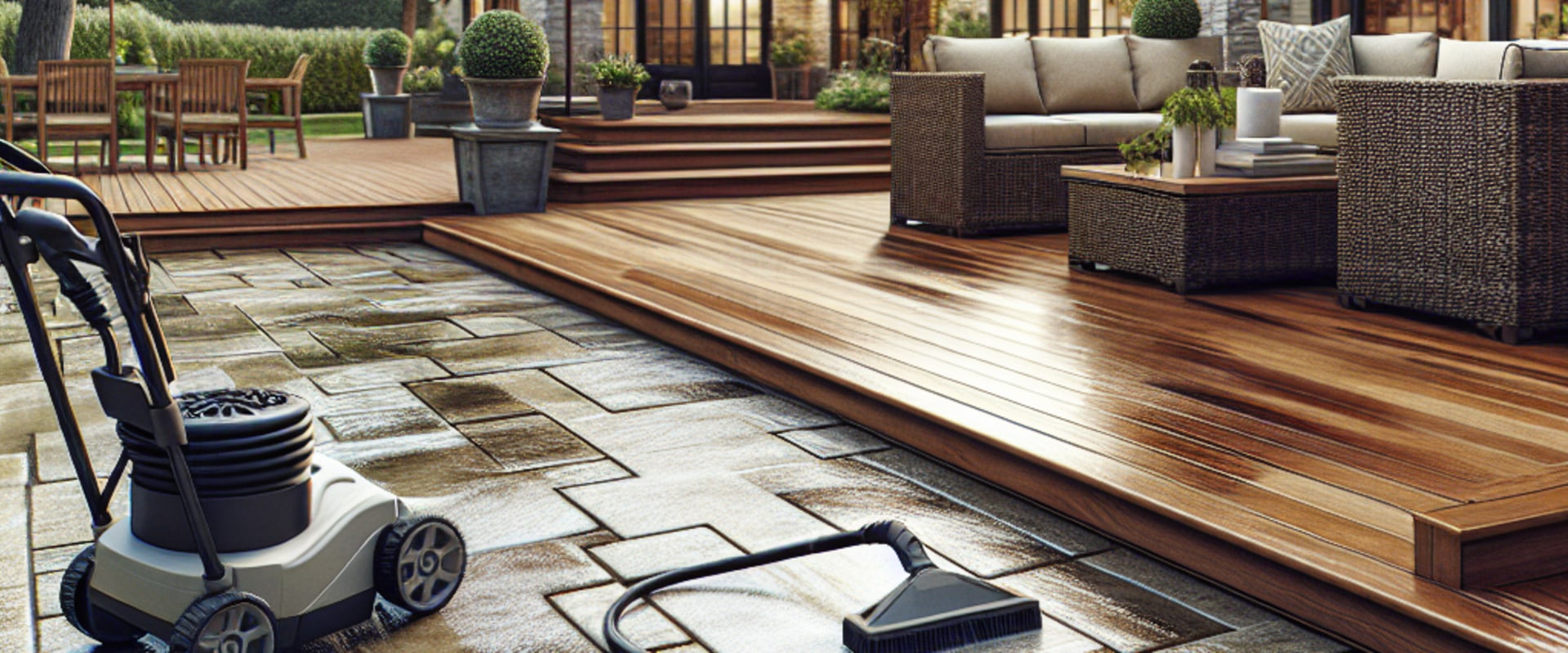
Maintaining your home's deck or patio is not just about aesthetics; it plays a crucial role in ensuring the longevity and safety of these outdoor spaces.
Deck maintenance
and patio upkeep are essential components of overall home repair and maintenance, as neglecting them can lead to costly repairs and diminished property value. Regular care can prevent issues such as rot, mold, and structural damage, which can arise from exposure to the elements. Moreover, a well-maintained deck or patio enhances your home's curb appeal and provides a welcoming environment for family gatherings and social events. When potential buyers see a pristine outdoor space, they are more likely to perceive your home as well-cared-for, which can significantly increase its market value.Investing time and effort into proper maintenance not only protects your investment but also creates a beautiful area for relaxation and entertainment. Understanding the importance of regular inspections, cleaning, and timely repairs is the first step in preserving your deck or patio. By adopting a proactive approach to maintenance, you can enjoy these outdoor spaces for years to come while ensuring they remain safe and inviting for everyone who uses them.
Regular Cleaning Practices for Decks and Patios
Maintaining the appearance and integrity of your deck or patio is essential for enhancing your outdoor space. Regular cleaning practices not only keep your area looking great but also extend its lifespan. Here are some effective methods and tips for cleaning your deck and cleaning your patio.Essential Tools and Supplies
- Broom or Leaf Blower: Start by removing loose debris such as leaves, dirt, and dust.
- Pressure Washer: For deeper cleaning, a pressure washer can effectively remove grime and stains.
Use it with caution to avoid damaging the surface.
- Soft-Bristled Brush: Ideal for scrubbing surfaces without causing scratches.
- Cleaning Solutions: Choose a mild detergent or a specialized deck cleaner that is safe for your material.
- Protective Gear: Always wear gloves and safety goggles when using cleaning solutions.
Step-by-Step Cleaning Process
- Clear the Area: Remove all furniture, planters, and other items from the deck or patio.
- Sweep Thoroughly: Use a broom or leaf blower to eliminate loose debris.
- Apply Cleaning Solution: Mix your chosen cleaner with water according to the instructions. Apply it evenly across the surface using a sprayer or mop.
- Scrub the Surface: Use a soft-bristled brush to scrub away dirt and stains, paying special attention to corners and crevices.
- Rinse Well: After scrubbing, rinse the area thoroughly with water to remove any remaining cleaner.
- Dry Completely: Allow the surface to dry completely before replacing furniture to prevent mold growth.
Inspecting for Damage: What to Look For
Regular inspections of your deck or patio are essential to ensure its longevity and safety.Here are some key areas to focus on during your inspection:
- Wood Rot: Check for any soft or spongy areas in the wood, especially around joints and posts. If you can easily press into the wood with your finger, it may be rotting and needs replacement.
- Cracks and Splits: Look for visible cracks or splits in the boards. Small cracks can often be repaired, but larger splits may indicate deeper structural issues that require immediate attention.
- Loose Boards: Walk across your deck or patio to identify any loose or wobbly boards. These can pose a safety hazard and should be secured or replaced as soon as possible.
- Rust and Corrosion: If your deck has metal components, such as railings or screws, inspect them for signs of rust.
Corroded metal can weaken the structure and should be treated or replaced.
- Mold and Mildew: Check for any discoloration on the surface of your deck or patio, which may indicate mold or mildew growth. This not only affects aesthetics but can also lead to slippery surfaces.
Seasonal Maintenance Tips for Your Deck and Patio
Maintaining your deck or patio throughout the year is essential for ensuring its longevity and safety.Each season brings unique challenges and tasks that should be addressed to keep your outdoor space in top shape. Here’s a breakdown of seasonal maintenance tips to help you stay on track with your home repair and maintenance schedule.
Spring Maintenance
- Inspect for Damage: After winter, check for any signs of wear, such as loose boards or cracked tiles. Addressing these issues early can prevent more extensive repairs later.
- Clean Thoroughly: Use a power washer or a stiff broom to remove dirt, leaves, and debris that have accumulated over the winter months.
- Seal and Stain: If your deck is made of wood, consider applying a sealant or stain to protect it from moisture and UV rays.
Summer Maintenance
- Regular Cleaning: Sweep and wash your deck or patio regularly to prevent mold and mildew growth, especially in humid areas.
- Check for Insects: Inspect for signs of insect infestations, such as termites or ants, which can compromise the integrity of your structure.
Fall Maintenance
- Clear Leaves: Remove fallen leaves promptly to prevent them from trapping moisture and causing mold growth.
- Prepare for Winter: Store furniture and cushions indoors to protect them from harsh winter conditions. Consider covering your deck with a tarp if you live in an area with heavy snowfall.
Winter Maintenance
- Shovel Snow Carefully: Use a plastic shovel to avoid scratching the surface of your deck or patio.
Avoid using salt, as it can damage wood and concrete surfaces.
- Inspect for Ice: Regularly check for ice buildup, which can create hazardous conditions. Use sand or kitty litter to provide traction if necessary.
Repairing Common Issues: DIY vs. Professional Help
Maintaining your home's deck or patio is essential for both aesthetics and safety.However, when it comes to repairing common issues, homeowners often face the dilemma of whether to tackle the repairs themselves or hire a professional. Understanding the nature of the problem can help you make an informed decision.
Common Deck Repairs
- Loose or Damaged Boards: If you notice any boards that are splintered, warped, or loose, these can often be replaced or secured with basic tools. This is a great DIY project if you have some experience with home repair.
- Railing Issues: A wobbly railing can pose a safety hazard. If the issue is minor, tightening screws or replacing a few balusters may suffice.
However, if the entire railing system is compromised, it might be best to consult a professional.
- Water Damage: Signs of water damage, such as mold or rot, require immediate attention. Small areas of rot can sometimes be repaired with wood filler and paint, but extensive damage may necessitate professional intervention.
Patio Repair Options
- Cracked Concrete: Small cracks in concrete patios can often be filled with a concrete patching compound, making this a feasible DIY task. For larger cracks or heaving slabs, hiring a professional may be necessary to ensure proper leveling and stability.
- Paver Shifting: If your patio is made of pavers that have shifted out of place, you can usually reset them yourself. Just make sure to use sand to fill in the joints afterward for stability.
- Drainage Issues: Poor drainage can lead to water pooling on your patio.
While minor adjustments can be made by redirecting downspouts or adding gravel, significant drainage problems should be assessed by a professional to avoid future complications.
Protective Treatments: Stains, Sealants, and More
Maintaining your home's deck or patio is essential for its longevity and aesthetic appeal. One of the most effective ways to protect these outdoor spaces is through the application of protective treatments such as stains and sealants.Deck Sealant
A quality deck sealant acts as a barrier against moisture, UV rays, and other environmental factors that can lead to deterioration. When selecting a sealant, consider the following:- Type of Wood: Different woods may require specific sealants.
For instance, cedar and redwood often benefit from oil-based sealants that enhance their natural beauty.
- Application Method: Sealants can be applied with brushes, rollers, or sprayers. Choose a method that suits your skill level and the size of your deck.
- Drying Time: Ensure you check the drying time before applying additional coats or using the deck.
Patio Stain Options
When it comes to patios, stains not only provide color but also offer protection. Here are some popular patio stain options:- Transparent Stains: These allow the natural grain of the wood to show through while providing minimal color and protection.
- Semi-Transparent Stains: These offer a balance between color and visibility of the wood grain, making them a popular choice for many homeowners.
- Solid Stains: If you want to completely change the color of your patio while hiding imperfections, solid stains are ideal.
Protective Treatments for Wood
In addition to stains and sealants, consider other protective treatments for wood. These include:- Pesticides: To prevent insect damage, especially in untreated wood.
- Mildew Inhibitors: These can be added to stains or sealants to prevent mold growth in damp conditions.
- Regular Maintenance: Periodically reapplying treatments every few years will ensure ongoing protection against the elements.
Regular maintenance not only preserves your investment but also ensures a safe and enjoyable outdoor space for years to come.
Safety Considerations When Maintaining Your Deck or Patio
Maintaining your deck or patio is essential for both aesthetics and safety. However, it’s crucial to prioritize safety while performing these tasks to prevent accidents and injuries. Here are some key safety considerations to keep in mind:- Wear Appropriate Gear: Always wear protective gear such as gloves, safety goggles, and non-slip footwear. This will help protect you from splinters, falling debris, and slips.
- Inspect Your Deck or Patio: Before starting any maintenance work, conduct a thorough inspection of your deck or patio.
Look for loose boards, protruding nails, or any signs of rot that could pose a hazard.
- Use Proper Tools: Ensure that you are using the right tools for the job. Using inappropriate tools can lead to accidents. For example, a power washer should be handled with care to avoid slipping.
- Work in Good Weather: Avoid maintenance tasks during inclement weather. Wet surfaces can be slippery, increasing the risk of falls.
Choose a dry day with mild temperatures for your work.
- Secure Your Ladder: If your maintenance involves working at height, ensure your ladder is stable and on level ground. Always have someone nearby to assist you if needed.
- Be Mindful of Electrical Hazards: If you’re using electric tools or equipment, check for frayed cords and ensure that your workspace is dry to prevent electrical shocks.
Frequently Asked Questions About Deck and Patio Maintenance
Maintaining your deck or patio can seem daunting, but addressing common questions can simplify the process.Here are some frequently asked questions that can help you keep your outdoor space in top condition.
What are the best cleaning methods for my deck?
Regular cleaning is essential for maintaining the appearance and longevity of your deck. Here are some effective methods:- Power washing: This method is great for removing dirt, mold, and mildew. Use a power washer with a low-pressure setting to avoid damaging the wood.
- Soap and water: For routine maintenance, a mixture of mild soap and water can effectively clean your deck without harsh chemicals.
- Deck cleaners: Consider using specialized deck cleaning products that are designed to remove stains and protect the wood.
How often should I seal my deck?
Sealing your deck is crucial for protecting it from moisture and UV damage. Generally, you should seal your deck every 1 to 3 years, depending on:- The type of wood used
- The climate in your area
- The amount of foot traffic it receives
If it soaks in, it's time to reseal.
What should I do about mold and mildew?
Mold and mildew can be a common issue on decks, especially in humid climates. To combat this:- Regular cleaning: Keep your deck clean to prevent mold growth.
- Mold removers: Use a commercial mold remover or a mixture of vinegar and water to treat affected areas.
- Improve drainage: Ensure proper drainage around your deck to minimize moisture retention.
Conclusion: Key Takeaways for Effective Deck and Patio Care
Maintaining your home's deck or patio is essential for ensuring its longevity and aesthetic appeal. By following a consistent maintenance routine, you can prevent costly repairs and enhance your outdoor living space. Here are the key takeaways to keep in mind:- Regular Cleaning: Make it a habit to clean your deck or patio at least twice a year.
Use a broom or leaf blower to remove debris, and wash the surface with a mild detergent to prevent mold and mildew buildup.
- Inspect for Damage: Conduct seasonal inspections to identify any signs of wear and tear. Look for loose boards, cracks, or rusted hardware that may need immediate attention.
- Protective Treatments: Apply sealants or stains as recommended for your specific material. This not only enhances the appearance but also provides a protective barrier against moisture and UV damage.
- Addressing Pests: Keep an eye out for pests such as termites or carpenter ants that can compromise the integrity of your deck. Consider professional pest control if you notice any signs of infestation.
- Seasonal Preparations: Before winter, ensure that your deck is properly winterized.
This may include removing furniture, covering the surface, and ensuring proper drainage to prevent ice damage.