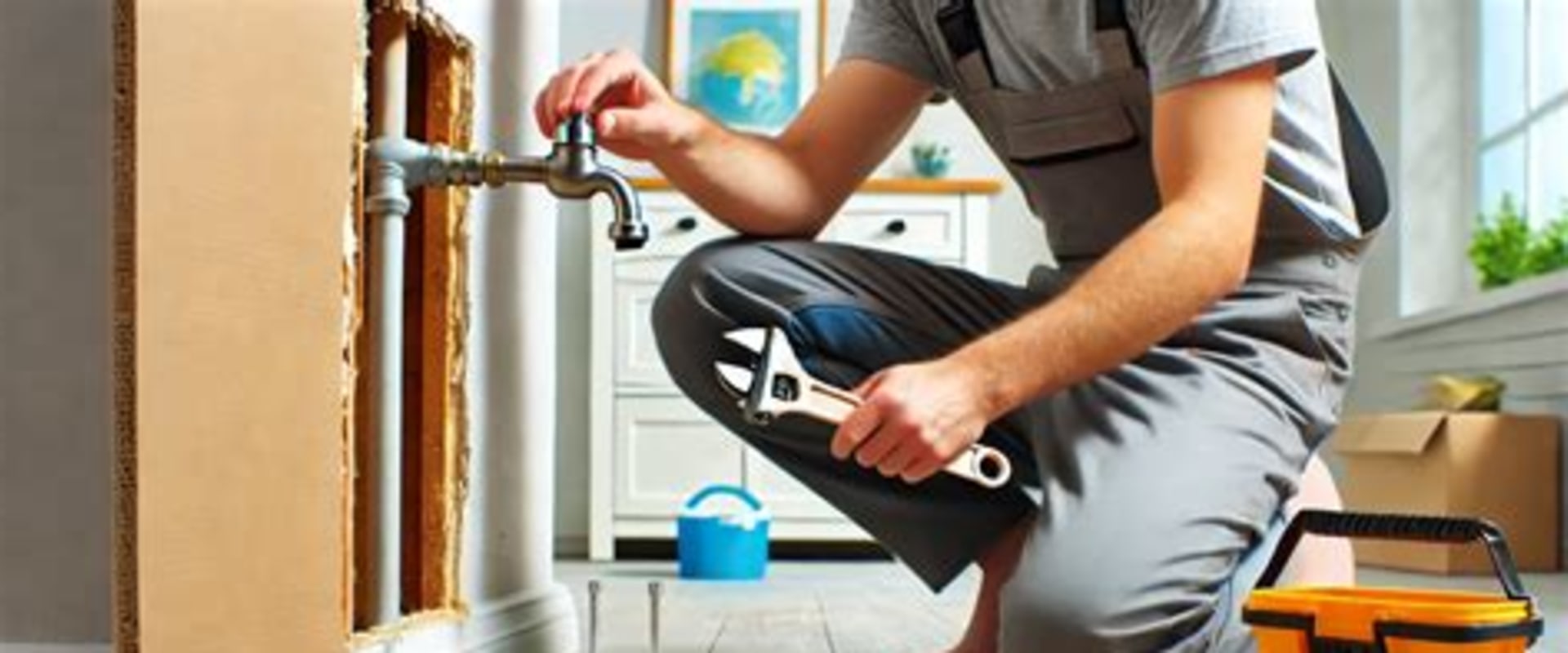
Homeownership comes with a unique set of responsibilities, and among the most crucial are home repair and maintenance. These tasks not only ensure that your living space remains safe and functional but also enhance its overall value. Whether it’s fixing a leaky faucet, patching up drywall, or performing seasonal maintenance checks, understanding the basics of DIY projects can empower homeowners to take control of their environments. Engaging in DIY home repair projects can be both rewarding and cost-effective. Instead of relying on professional services for every minor issue, homeowners can learn to tackle many repairs themselves.
This not only saves money but also fosters a sense of accomplishment and pride in one’s home. Moreover, regular maintenance can prevent small problems from escalating into costly repairs, making it essential for homeowners to stay proactive. In this article, we will explore various DIY projects that cater to different skill levels and budgets. From simple tasks like changing air filters to more complex endeavors such as installing new flooring, there’s something for everyone. By equipping yourself with the right knowledge and tools, you can transform your home into a well-maintained sanctuary that reflects your personal style and meets your family’s needs.
Basic Home Repairs Every Homeowner Should Know
Homeownership comes with its fair share of responsibilities, and knowing how to tackle basic home repairs can save you time and money.Here are some essential DIY fixes that every homeowner should be familiar with:
- Fixing Leaky Faucets: A dripping faucet can waste a significant amount of water over time. To fix it, turn off the water supply, remove the faucet handle, and replace the worn-out washer or O-ring. Reassemble the faucet and turn the water back on to check for leaks.
- Patching Drywall: Small holes in drywall can be easily repaired. Start by cleaning the area around the hole, then apply a patching compound with a putty knife.
Once it dries, sand it smooth and paint over it to match the surrounding wall.
- Unclogging Drains: Clogged drains are a common issue that can often be resolved without calling a plumber. Use a plunger to dislodge minor clogs or try a mixture of baking soda and vinegar followed by hot water to break down buildup.
- Replacing Light Fixtures: Updating light fixtures can enhance your home’s aesthetic. Always turn off the power at the circuit breaker before removing the old fixture. Follow the manufacturer’s instructions for wiring and securing the new fixture.
- Sealing Windows and Doors: Drafty windows and doors can lead to increased energy bills. Drafty windows and doors can lead to increased energy bills.
Inspect seals for wear and tear, and apply weather stripping or caulk where necessary to improve insulation.
Seasonal Home Maintenance Tasks
Maintaining your home is a year-round commitment, and seasonal home maintenance tasks are essential for ensuring your property remains in top condition. By tackling these projects as the seasons change, you can prevent costly repairs and enhance the longevity of your home.Spring Maintenance Tasks
- Gutter Cleaning: As winter snow melts, it’s crucial to clear out gutters and downspouts to prevent water damage. Remove leaves, twigs, and debris to ensure proper drainage.
- HVAC Servicing: Schedule a professional inspection of your heating and cooling systems.
Replace filters and clean ducts to improve efficiency.
- Exterior Inspection: Check for any damage to siding, windows, and doors. Look for cracks or gaps that may need caulking or sealing.
Summer Maintenance Tasks
- Lawn Care: Regular mowing, watering, and fertilizing will keep your lawn healthy. Consider aerating the soil to promote growth.
- Deck Maintenance: Inspect your deck for signs of wear. Clean and reseal it to protect against moisture and UV damage.
- Pest Control: Keep an eye out for pests.
Seal any entry points and consider treatments to prevent infestations.
Fall Maintenance Tasks
- Winterizing Your Home: Insulate pipes in unheated areas to prevent freezing. Check your heating system and replace filters.
- Chimney Cleaning: If you use a fireplace, have your chimney inspected and cleaned to prevent chimney fires.
- Leaf Removal: Rake leaves regularly to prevent them from suffocating your lawn and clogging gutters.
Winter Maintenance Tasks
- Snow Removal: Keep walkways and driveways clear of snow and ice to ensure safety.
- Indoor Inspections: Check for drafts around windows and doors. Use weather stripping or caulk to seal any leaks.
- Emergency Preparedness: Prepare an emergency kit with essentials in case of severe winter weather.
DIY Projects to Enhance Home Value
When it comes to home repair and maintenance, investing time in DIY projects can significantly enhance your property’s value.Here are some effective projects that not only improve aesthetics but also increase functionality.
1.Fresh Paint
One of the simplest yet most impactful ways to boost your home’s value is through a fresh coat of paint. Choose neutral colors that appeal to a wide range of buyers. This can make spaces feel larger and more inviting.2.Landscaping Improvements
A well-maintained yard can greatly enhance curb appeal. Consider the following landscaping projects:- Planting Trees and Shrubs: Select native plants that require less maintenance and provide year-round beauty.
- Creating a Flower Bed: A colorful flower bed can add vibrancy and charm to your front yard.
- Installing a Pathway: A stone or gravel pathway can guide visitors and create a welcoming atmosphere.
3.Minor Renovations
Small renovations can yield high returns on investment.Consider these options:
- Updating Fixtures: Replacing outdated light fixtures, faucets, and cabinet hardware can modernize your space without a complete overhaul.
- Kitchen Backsplash: Adding a stylish backsplash can transform your kitchen’s look and feel, making it more appealing to potential buyers.
- Bathroom Updates: Simple changes like re-grouting tiles or replacing an old vanity can make a significant difference.
Safety Tips for DIY Home Repairs
When embarking on DIY home repair and maintenance projects, safety should always be your top priority. Here are some essential DIY safety tips to ensure a secure and successful experience.- Wear Appropriate Personal Protective Equipment (PPE): Always use safety goggles, gloves, and masks when necessary. This protects you from dust, debris, and harmful substances.
- Read Instructions Carefully: Before starting any project, thoroughly read the instructions for tools and materials.
Understanding how to use them correctly can prevent accidents.
- Keep Your Workspace Organized: A cluttered workspace can lead to accidents. Keep tools and materials neatly arranged to minimize tripping hazards.
- Use the Right Tools: Ensure you have the correct tools for the job. Using improper tools can lead to injuries or damage to your home.
- Work in a Well-Ventilated Area: If you're using paints, solvents, or other chemicals, ensure your workspace is well-ventilated to avoid inhaling harmful fumes.
- Be Mindful of Electrical Safety: When working with electrical systems, always turn off the power at the circuit breaker. Use a voltage tester to confirm that wires are not live before touching them.
- Don’t Work Alone: If possible, have someone nearby when undertaking larger projects.
In case of an emergency, having someone there can be crucial.
- Know Your Limits: Recognize when a project is beyond your skill level. It’s better to call a professional than risk injury or further damage to your home.
Frequently Asked Questions About Home Repair and Maintenance
When it comes to home repair and maintenance, many homeowners have questions that can help them tackle projects more effectively. Here are some frequently asked questions that can guide you through your DIY endeavors.What are the most common home repair issues?
Some of the most prevalent home repair issues include:- Leaky faucets: Often caused by worn-out washers or seals.
- Drafty windows: Can be fixed with weather stripping or caulking.
- Clogged drains: Usually resolved with a plunger or a drain snake.
- Broken tiles: Can be replaced individually without needing to redo the entire floor.
How often should I perform home maintenance?
A regular maintenance schedule can help prevent larger issues down the line.Here’s a simple guideline:
- Monthly: Check smoke detectors and replace air filters.
- Seasonally: Inspect gutters, clean out debris, and check for signs of pests.
- Annually: Schedule a professional inspection for your HVAC system and roof.
Can I handle home repairs myself?
Many DIY home repair projects are manageable for homeowners with basic tools and skills. However, consider the following:- If you're unsure about electrical or plumbing work, it’s best to consult a professional.
- Start with small projects to build your confidence and skills.
- Utilize online resources, such as video tutorials and forums, for guidance.
Conclusion: Empowering Yourself with DIY Home Repair Skills
In conclusion, embracing DIY home repair and maintenance projects not only enhances your living space but also empowers you with valuable skills that can save you time and money. Throughout this article, we explored various projects ranging from simple tasks like patching drywall to more complex endeavors such as installing new flooring. Each project serves as an opportunity to learn and grow, fostering a sense of accomplishment.By taking on these challenges, you develop a deeper understanding of your home’s systems and structures.This knowledge can be incredibly beneficial, allowing you to identify potential issues before they escalate into costly repairs. Moreover, the satisfaction derived from completing a project on your own is unmatched.As you consider which home repair and maintenance tasks to tackle next, remember that starting small can lead to greater confidence. Here are a few tips to keep in mind:
- Research: Before beginning any project, take the time to gather information. Online tutorials, videos, and forums can provide valuable insights.
- Gather Tools: Ensure you have the necessary tools for the job.
Investing in quality tools can make a significant difference in the outcome of your projects.
- Plan Ahead: Create a step-by-step plan for your project. This will help you stay organized and focused.
- Don’t Rush: Take your time to ensure each step is completed correctly. Rushing can lead to mistakes that may require additional repairs.
Remember, every expert was once a beginner, and with each task you complete, you’re one step closer to mastering the art of home maintenance.