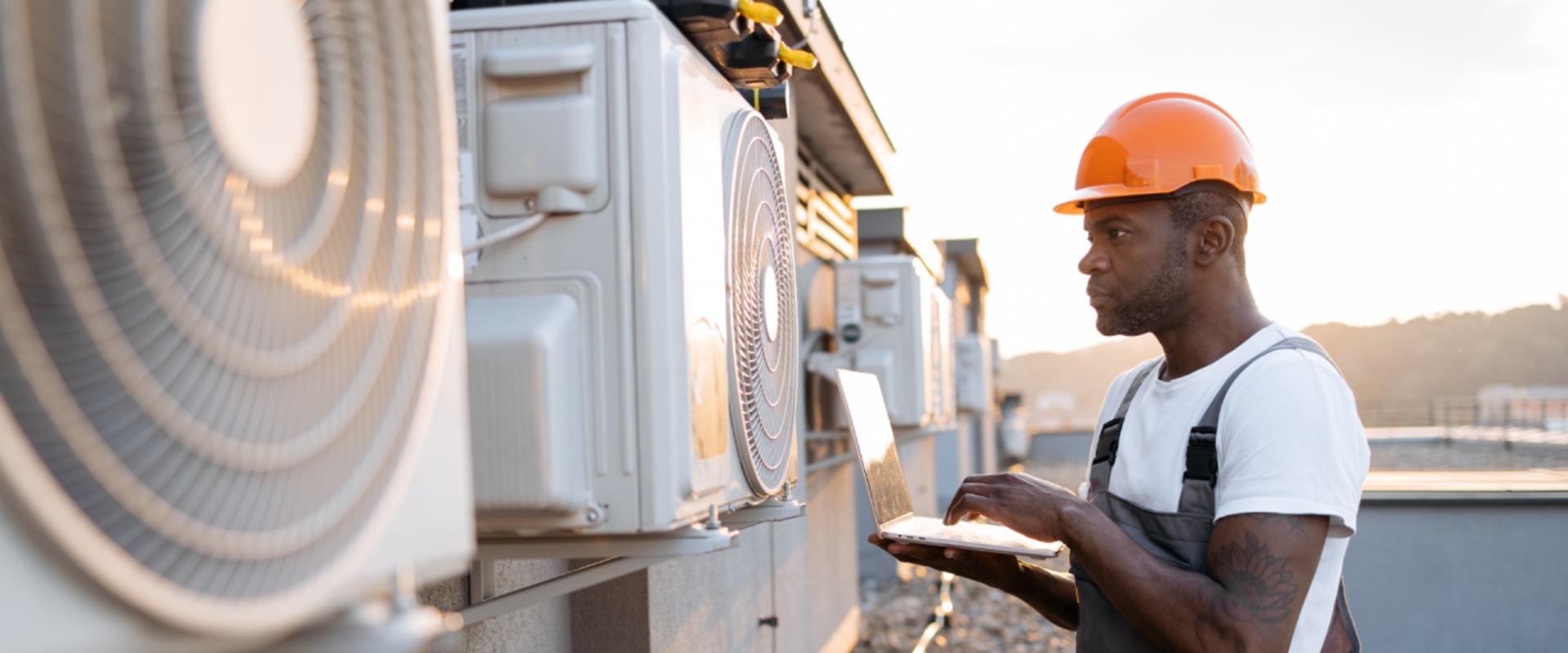
Understanding your HVAC system is crucial for maintaining a comfortable and energy-efficient home. HVAC stands for Heating, Ventilation, and Air Conditioning, and it encompasses the technology used to regulate indoor climate. A well-functioning HVAC system not only keeps your home at a desirable temperature but also plays a significant role in improving indoor air quality. By familiarizing yourself with the components and operation of your HVAC system, you can better appreciate the importance of regular maintenance. An HVAC system typically consists of several key components: the furnace or heat pump, air conditioner, ductwork, and thermostat.
The furnace or heat pump generates heat, while the air conditioner cools the air. Ductwork distributes conditioned air throughout your home, and the thermostat acts as the control center, allowing you to set your desired temperature. Understanding how these components work together helps you identify potential issues that may arise and emphasizes the need for routine checks. Moreover, knowing how your HVAC system operates can empower you to take proactive steps in its maintenance. For instance, recognizing that filters need regular replacement or that ducts should be cleaned periodically can prevent larger problems down the line.
By investing time in understanding your HVAC system, you not only enhance its efficiency but also extend its lifespan, ultimately saving you money on repairs and energy bills.
The Importance of Regular Maintenance
Regular maintenance of your HVAC system is crucial for ensuring its efficiency and longevity. By investing time and resources into routine checks and services, homeowners can reap numerous benefits that extend beyond mere comfort.Energy Efficiency
: One of the primary advantages of regular HVAC maintenance is improved energy efficiency. A well-maintained system operates more effectively, consuming less energy to heat or cool your home. This not only reduces your carbon footprint but also leads to significant savings on your monthly utility bills.
Cost Savings
: While some may view maintenance as an unnecessary expense, it can actually save you money in the long run.
Regular inspections can identify potential issues before they escalate into costly repairs. For instance, a small refrigerant leak can lead to a major system failure if left unchecked, resulting in expensive repairs or even a complete system replacement.
Prolonging Lifespan
: Just like any other appliance, your HVAC system has a lifespan that can be extended with proper care. Regular maintenance helps to keep all components in good working order, reducing wear and tear. This proactive approach can add years to the life of your system, allowing you to maximize your investment.In addition to these benefits, regular HVAC maintenance also enhances indoor air quality.
A clean system reduces the circulation of dust, allergens, and pollutants, contributing to a healthier living environment for you and your family.In summary, maintaining your HVAC system is not just about comfort; it’s about ensuring efficiency, saving money, and prolonging the life of your equipment. By prioritizing regular maintenance, you are making a wise decision for both your home and your wallet.
Key Maintenance Tasks for Your HVAC System
Maintaining your HVAC system is crucial for ensuring it runs efficiently and effectively. Here are some key maintenance tasks that every homeowner should perform regularly:- Change Air Filters: One of the simplest yet most important tasks is to change your air filters every 1-3 months. Clogged filters restrict airflow, making your system work harder and reducing its efficiency.
- Clean the Coils: Both the evaporator and condenser coils can accumulate dirt over time.
Cleaning these coils at least once a year helps maintain optimal heat exchange and improves energy efficiency.
- Check Refrigerant Levels: Low refrigerant levels can indicate a leak, which can lead to inefficient cooling. Regularly check the refrigerant levels and ensure they are within the manufacturer’s specifications.
- Inspect Ductwork: Leaky ducts can waste a significant amount of energy. Inspect your ductwork for any signs of damage or leaks and seal them as necessary to improve efficiency.
- Clear Drain Lines: Clogged drain lines can cause water damage and affect your system's performance. Regularly check and clear any blockages in the condensate drain line.
Remember, regular maintenance not only enhances efficiency but also saves you money on energy bills in the long run.
Seasonal Maintenance Tips
Maintaining your HVAC system is crucial for ensuring it runs efficiently throughout the year. Seasonal maintenance is key to optimizing performance and prolonging the lifespan of your system. Here are some tailored tips for both summer and winter maintenance.Summer HVAC Tips
- Clean or Replace Air Filters: During the summer months, your HVAC system works harder to cool your home. Check and replace air filters every 1-3 months to ensure proper airflow and efficiency.
- Inspect the Condenser Unit: Keep the outdoor condenser unit clear of debris, such as leaves and dirt.
Regularly clean the fins and ensure there’s at least two feet of clearance around the unit for optimal airflow.
- Check Refrigerant Levels: Low refrigerant levels can hinder cooling efficiency. If you suspect a leak or low levels, contact a professional to inspect and recharge your system.
- Test the Thermostat: Ensure your thermostat is functioning correctly. Consider upgrading to a programmable thermostat for better temperature control and energy savings.
Winter HVAC Tips
- Inspect Ductwork: Check for any leaks or blockages in your ductwork. Sealing leaks can improve efficiency and reduce heating costs.
- Clean the Furnace: Dust and debris can accumulate in your furnace over time.
Schedule a professional cleaning to ensure it operates efficiently during the colder months.
- Check Carbon Monoxide Detectors: With increased use of heating systems, it’s essential to check that carbon monoxide detectors are functioning properly to ensure safety.
- Adjust Vents: Make sure that vents are open and unobstructed in all rooms to allow for even heating throughout your home.
Signs Your HVAC System Needs Attention
Maintaining your HVAC system is crucial for ensuring it runs efficiently, but how do you know when it needs attention? Recognizing the signs of HVAC problems can save you from costly repairs and keep your home comfortable. Here are some common indicators that your HVAC system may require professional servicing:- Unusual Noises: If you hear strange sounds such as banging, clanking, or hissing, it could indicate loose or damaged components. These noises often signal that it's time to call an HVAC technician.
- Inconsistent Temperatures: If certain rooms in your home are significantly warmer or cooler than others, your HVAC system may be struggling to distribute air evenly. This inconsistency can point to ductwork issues or a failing thermostat.
- Increased Energy Bills: A sudden spike in your energy bills without a corresponding change in usage can indicate that your HVAC system is working harder than it should. This inefficiency often stems from neglected maintenance or failing parts.
- Frequent Cycling: If your system turns on and off more frequently than usual, it may be short cycling.
This can lead to increased wear and tear on the unit and is often caused by an oversized system or a malfunctioning thermostat.
- Bad Odors: Foul smells coming from your HVAC system can indicate mold growth or burnt wiring. Both issues require immediate attention to prevent health risks and further damage.
DIY vs. Professional Maintenance: What You Need to Know
When it comes to maintaining your HVAC system, one of the first decisions you'll face is whether to tackle the job yourself or hire a professional.Both options have their advantages and disadvantages, and understanding these can help you make an informed choice.
DIY HVAC Maintenance
Many homeowners opt for DIY HVAC maintenance to save money and gain a better understanding of their systems. Here are some common tasks you can perform:- Changing air filters: This is one of the simplest yet most effective ways to keep your system running efficiently. Regularly replacing filters can improve air quality and reduce energy costs.
- Cleaning vents and registers: Dust and debris can accumulate in vents, obstructing airflow. A quick cleaning can enhance system performance.
- Checking thermostat settings: Ensuring your thermostat is functioning correctly can help maintain optimal temperatures without overworking your HVAC system.
If you're not familiar with HVAC systems, you might overlook critical issues that could lead to costly repairs down the line.
Professional HVAC Services
Hiring a professional HVAC technician can provide peace of mind. Here are some benefits:- Expertise: Professionals have the training and experience to identify problems that may not be visible to the untrained eye.
- Comprehensive inspections: A technician will conduct a thorough inspection, ensuring all components are functioning properly and efficiently.
- Warranty protection: Many manufacturers require regular professional maintenance to keep warranties valid, making it essential for long-term care.
When to Hire an HVAC Technician
If you notice any of the following signs, it may be time to call in a professional:- Unusual noises: Sounds like banging or hissing could indicate serious issues.
- Inefficient heating or cooling: If your system struggles to maintain temperature, it may need expert attention.
- Frequent breakdowns: If you find yourself calling for repairs often, it might be time for a comprehensive evaluation by a technician.
Frequently Asked Questions About HVAC Maintenance
Maintaining your HVAC system is crucial for ensuring its efficiency and longevity.Here are some frequently asked questions regarding HVAC maintenance:
- How often should I service my HVAC system? It is generally recommended to have your HVAC system serviced at least once a year. For optimal performance, consider scheduling maintenance in the spring for your air conditioning unit and in the fall for your heating system.
- What are the signs that my HVAC system needs maintenance? Look out for unusual noises, inconsistent temperatures, or increased energy bills. If you notice any of these signs, it may be time to call a professional.
- Can I perform maintenance on my HVAC system myself? While some basic tasks, such as changing air filters and cleaning vents, can be done by homeowners, it’s best to leave complex maintenance and repairs to certified technicians.
- What should I do if my HVAC system is not cooling or heating properly? First, check your thermostat settings and ensure that the system is set to the correct mode. If the problem persists, it’s advisable to contact a professional for a thorough inspection.
- How can I improve the efficiency of my HVAC system? Regular maintenance, such as cleaning or replacing filters, sealing ductwork, and ensuring proper insulation in your home can significantly enhance your system's efficiency.
Regular attention to these aspects will not only prolong the life of your HVAC unit but also contribute to a more comfortable living environment.
Conclusion: Keeping Your HVAC System Running Smoothly
In conclusion, maintaining your HVAC system is crucial for ensuring it operates efficiently and effectively throughout the year. Regular maintenance not only extends the lifespan of your system but also enhances indoor air quality and reduces energy costs. To recap, here are the key points to remember:- Regular Filter Changes: Changing or cleaning your air filters every 1-3 months can significantly improve airflow and efficiency.
- Seasonal Inspections: Schedule professional inspections at least twice a year—once before the heating season and once before the cooling season—to catch potential issues early.
- Clean Coils and Fins: Keeping the evaporator and condenser coils clean helps maintain optimal heat exchange, which is vital for efficient operation.
- Check Thermostat Settings: Ensure your thermostat is functioning correctly and consider upgrading to a programmable model for better energy management.
- Seal Ductwork: Inspect and seal any leaks in your ductwork to prevent loss of conditioned air, which can lead to higher energy bills.