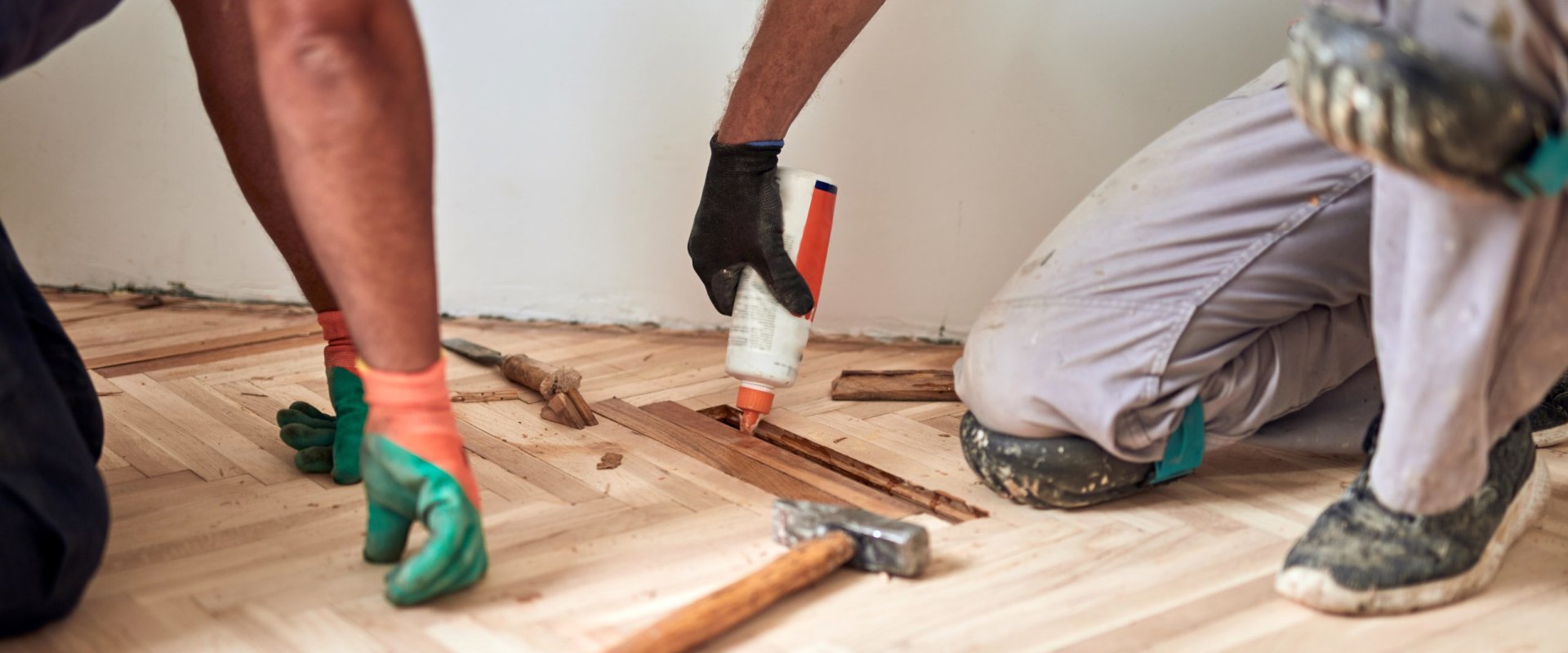
When it comes to home repair and maintenance, understanding the different types of flooring available is essential for making informed decisions about repairs or replacements. Each flooring type has its unique characteristics, benefits, and drawbacks, which can significantly impact both the aesthetics and functionality of your home. Whether you're dealing with scratches on hardwood, stains on carpet, or cracked tiles, knowing the specifics of your flooring can guide you in choosing the right approach for restoration. Hardwood flooring is a classic choice that adds warmth and elegance to any space. Its durability and ability to be refinished make it a long-term investment.
However, it can be susceptible to moisture damage and requires regular maintenance. On the other hand, laminate flooring offers a cost-effective alternative that mimics the look of wood without the high price tag. While it's resistant to scratches and easy to install, it may not have the same lifespan as hardwood. Tile flooring is another popular option, especially in areas prone to moisture like kitchens and bathrooms. Its water resistance and variety of designs make it versatile, but installation can be labor-intensive.
Lastly, carpet provides comfort and insulation but can be challenging to maintain due to stains and wear over time. Understanding these flooring materials will empower homeowners to choose wisely when faced with repair or replacement decisions.
Assessing the Damage to Your Flooring
Before deciding on repair or replacement of your flooring, it’s crucial to thoroughly assess the damage. Identifying the signs of damaged flooring can help you determine the best course of action.Signs of Damaged Flooring
- Visible Cracks or Chips: Look for any cracks, chips, or breaks in the surface. These can indicate underlying issues.
- Water Damage: Stains, warping, or buckling are often signs of water damage.
Check for leaks or moisture accumulation.
- Squeaking or Creaking Sounds: Unusual noises when walking on the floor may suggest loose boards or structural problems.
- Uneven Surfaces: If you notice dips or raised areas, it could be a sign of subfloor issues that need addressing.
- Discoloration: Fading or discoloration can indicate wear and tear or exposure to moisture.
Inspection Tips
To effectively assess the damage, follow these inspection tips:- Conduct a Visual Inspection: Walk through each room and examine the flooring closely. Use a flashlight to spot any hidden damage.
- Check for Moisture: Use a moisture meter to test for dampness in wooden floors. High moisture levels can lead to mold and further damage.
- Test Stability: Gently press down on areas that seem damaged. If they feel soft or unstable, further investigation is needed.
- Consult Professionals: If you’re unsure about the extent of the damage, consider hiring a flooring expert for a comprehensive assessment.
Addressing issues early can save you time and money in the long run.
Repairing Damaged Flooring: Step-by-Step Guide
Repairing damaged flooring can seem daunting, but with the right approach, you can restore your floors to their former glory. Below are step-by-step guides for repairing hardwood, laminate, and tile floors.How to Repair Hardwood Floor
If your hardwood floor has scratches or dents, follow these steps:- Assess the Damage: Identify the areas that need repair.
- Clean the Area: Use a soft cloth to remove dust and debris.
- Fill Scratches: For minor scratches, apply a wood filler that matches your floor color. Use a putty knife to smooth it out.
- Sanding: Once the filler is dry, sand the area lightly with fine-grit sandpaper.
- Refinish: Apply a matching stain and finish to blend the repair with the surrounding area.
Repairing Laminate Flooring
For laminate flooring, follow these steps for common issues like chips or warping:- Identify the Problem: Check for loose planks or visible damage.
- Remove Damaged Plank: If a plank is severely damaged, carefully pry it up using a flat tool.
- Replace with New Plank: Insert a new plank by clicking it into place. Ensure it fits snugly.
- Secure Edges: Use adhesive if necessary to secure the edges of the new plank.
Fixing Tile Floors
If you have cracked or loose tiles, here’s how to fix them:- Remove Grout: Use a grout saw to remove grout around the damaged tile.
- Pry Up the Tile: Carefully lift the tile using a chisel or flathead screwdriver.
- Add Adhesive: Apply thin-set mortar to the subfloor where the tile will go.
- Place New Tile: Set the new tile in place and press down firmly.
- Regrout: Once the adhesive has cured, reapply grout around the edges of the tile.
Remember to always wear protective gear and take your time for best results!
When to Replace Your Flooring Instead of Repairing
Deciding whether to repair or replace your flooring can be a challenging task for homeowners. Understanding when to replace flooring is crucial to making a cost-effective decision. Here are some key indicators that suggest it might be time for a replacement rather than a repair:- Severe Damage: If your flooring has extensive damage such as deep scratches, large cracks, or warping, repairs may not restore its original appearance or functionality.
- Persistent Issues: If you find yourself repeatedly repairing the same area, it may indicate that the underlying problem is more significant than a simple fix.
- Age of Flooring: Consider the age of your flooring. If it’s nearing the end of its lifespan, replacement may be more practical than ongoing repairs.
- Health Concerns: Damaged flooring can harbor mold, allergens, and pests.
If your flooring is contributing to health issues, replacing it may be the best option.
- Repair Costs: Minor repairs might cost between $100 to $500 depending on the extent of the damage.
- Replacement Costs: Replacing flooring can range from $1,500 to $5,000 or more, depending on the material and size of the area.
Choosing the Right Replacement Flooring
When it comes to choosing the right replacement flooring, several factors come into play that can significantly impact your decision.Understanding these factors will help you select a flooring option that not only meets your aesthetic preferences but also aligns with your lifestyle and budget.
1.Style and Aesthetics
- Consider the overall design of your home. Are you aiming for a modern, rustic, or traditional look? The flooring you choose should complement your existing decor.
- Popular styles in 2023 include wide plank hardwood, patterned tiles, and luxury vinyl that mimics natural materials.
2.Durability and Maintenance
- If you have pets or children, durability is key. Look for materials that can withstand wear and tear, such as laminate or tile.
- Consider the maintenance required for each type of flooring. For instance, hardwood may need refinishing over time, while vinyl is generally easier to clean.
3.Budget Considerations
- Your budget will play a crucial role in your flooring choice.
Set a realistic budget that includes not just the cost of materials but also installation and maintenance.
- Explore cost-effective options like laminate or engineered wood, which can provide the look of hardwood without the hefty price tag.
4.Current Flooring Trends
- Sustainable materials are gaining popularity, with many homeowners opting for eco-friendly options like bamboo or cork.
- Textured finishes and bold colors are also trending in 2023, allowing homeowners to make a statement with their flooring choices.
DIY vs. Hiring a Professional: What You Need to Know
When it comes to repairing or replacing damaged flooring, homeowners often face a critical decision: should they tackle the project themselves or hire a professional? Understanding the pros and cons of each option can help you make an informed choice that aligns with your skills, budget, and the complexity of the job.DIY Flooring Installation
Opting for a DIY flooring installation can be a rewarding experience, especially for those who enjoy hands-on projects. Here are some advantages:- Cost Savings: By doing the work yourself, you can save on labor costs, which can be significant.
- Flexibility: You can work at your own pace and schedule, allowing for more control over the project timeline.
- Skill Development: Completing a flooring project can enhance your DIY skills and boost your confidence for future home repairs.
- Time-Consuming: DIY projects often take longer than anticipated, especially if you encounter unexpected issues.
- Lack of Expertise: Without prior experience, mistakes can lead to costly repairs or subpar results.
- Tool Requirements: Some flooring installations require specialized tools that may not be readily available.
Hiring a Contractor for Flooring
If you decide to hire a professional, there are several benefits:- Expertise: Professionals bring experience and knowledge, ensuring that the job is done correctly and efficiently.
- Quality Assurance: Many contractors offer warranties on their work, providing peace of mind regarding the durability of your new flooring.
- Saves Time: Professionals can complete the project much faster than an inexperienced DIYer.
- Higher Costs: Labor costs can significantly increase your overall budget.
- Lack of Control: You may have less say in the day-to-day progress and decisions made during the project.
- Selecting the Right Contractor: Finding a reputable contractor requires research and can be time-consuming.
Assess your skill level, budget constraints, and the complexity of the flooring project to determine which option is best for you. Whether you choose to roll up your sleeves or bring in an expert, understanding these factors will help ensure a successful flooring repair or replacement in your home.
Maintaining Your Flooring After Repair or Replacement
Once you have successfully repaired or replaced your flooring, maintaining it is crucial to ensure its longevity and aesthetic appeal. Different types of flooring require specific care, so here are some tailored tips for various materials.Hardwood Floors
- Regular Cleaning: Sweep or vacuum regularly to remove dirt and debris that can scratch the surface.
- Use the Right Products: Opt for a pH-balanced cleaner specifically designed for hardwood floors. Avoid harsh chemicals that can damage the finish.
- Protect from Moisture: Wipe up spills immediately and use area rugs in high-traffic areas to prevent water damage.
- Refinishing: Consider refinishing your hardwood floors every 5-10 years to restore their shine and protect the wood.
Laminate Floors
- Gentle Cleaning: Use a damp mop with a laminate floor cleaner.
Avoid soaking the floor, as excess water can seep into seams.
- Avoid Scratches: Place felt pads under furniture legs and avoid dragging heavy items across the floor.
- Sunlight Protection: Use curtains or blinds to minimize sun exposure, which can cause fading over time.
Tile Floors
- Grout Maintenance: Clean grout lines regularly with a suitable cleaner to prevent staining and mildew buildup.
- Sealant Application: Apply a sealant every few years to protect both the tiles and grout from moisture and stains.
- Avoid Heavy Cleaners: Steer clear of abrasive cleaners that can scratch the tile surface.
Frequently Asked Questions About Flooring Repair and Replacement
When it comes to flooring repair and replacement, homeowners often have a myriad of questions. Here are some of the most frequently asked questions that can help guide you through the process.What are the signs that my flooring needs repair?
Common indicators that your flooring may require attention include:- Cracks or chips in hardwood or tile surfaces.
- Bubbling or peeling in vinyl or laminate flooring.
- Uneven surfaces that may indicate underlying structural issues.
- Water damage, such as discoloration or warping, especially in areas prone to moisture.
Can I replace just a section of my flooring?
Yes, in many cases, you can replace just a section of your flooring.However, this depends on the type of flooring:
- Hardwood: If you have solid hardwood, you can replace individual boards, but matching the stain and finish may be challenging.
- Laminate: Laminate floors can often be repaired by replacing damaged planks, provided you have spare pieces from the original installation.
- Tile: Individual tiles can be replaced if they are cracked or chipped, but ensure you have matching tiles for a seamless look.
How do I troubleshoot common flooring issues?
Troubleshooting flooring issues involves identifying the root cause. Here are some tips:- For squeaky floors: Check for loose boards and secure them with screws or nails.
- If your floor is buckling: Look for moisture issues; this could indicate water damage that needs immediate attention.
- If tiles are cracking: Inspect for underlying foundation problems or improper installation.