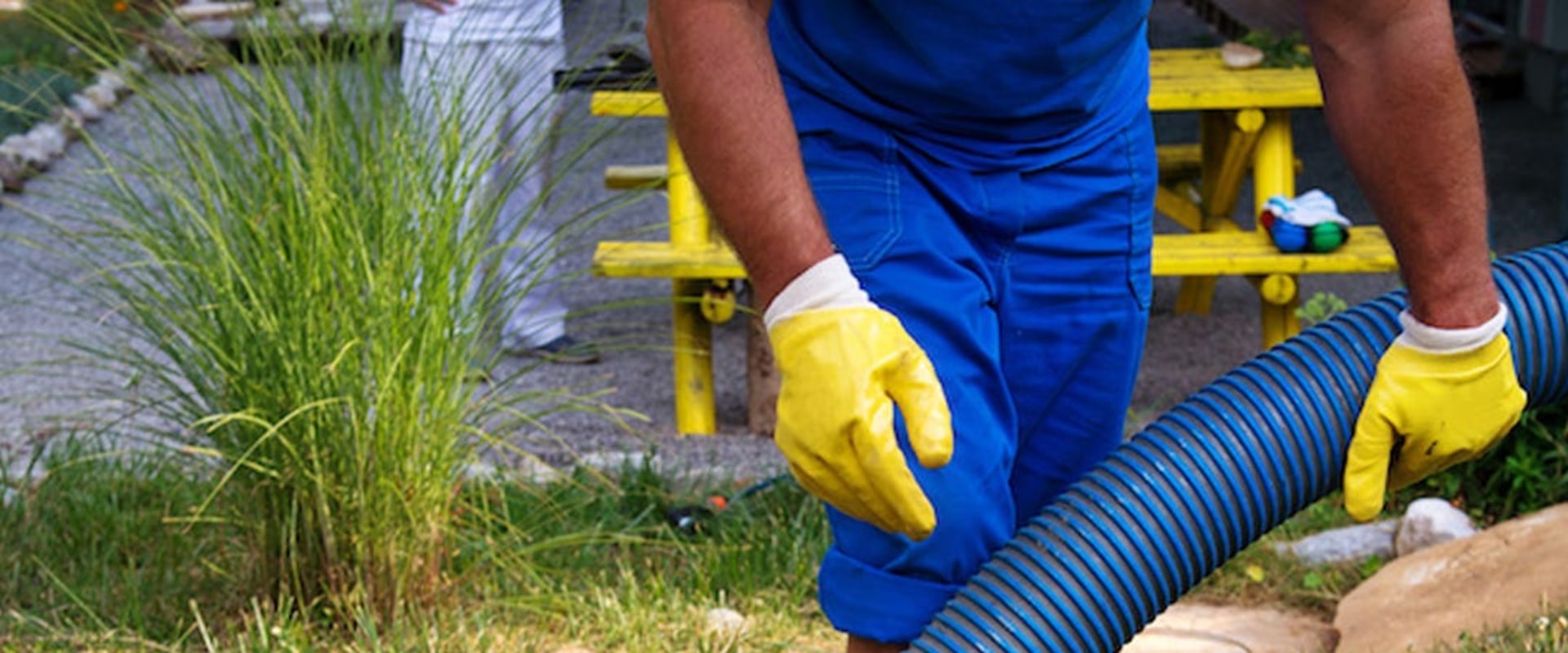
Understanding your septic system is crucial for maintaining a healthy home environment. A septic system is an underground wastewater treatment structure that is commonly used in rural areas where centralized sewer systems are not available. It consists of several key components, including a septic tank, a drain field, and soil that work together to treat and dispose of household wastewater. The process begins when wastewater from your home flows into the septic tank, where solids settle at the bottom and form sludge, while lighter materials like grease float to the top, creating a scum layer. The tank allows for the natural breakdown of these solids through bacterial action.
Once the wastewater is partially treated, it exits the tank and enters the drain field, where it is further filtered through the soil before being released into the groundwater. To effectively maintain your septic system, it’s essential to understand how these components interact and function. Regular inspections and pumping of the septic tank are necessary to prevent clogs and backups. Additionally, being mindful of what goes down your drains can significantly extend the life of your system. By grasping these septic system basics, homeowners can take proactive steps to ensure their systems operate efficiently and avoid costly repairs.
Regular Maintenance Practices
Maintaining a septic system is crucial for homeowners to avoid costly repairs and ensure the longevity of the system.Regular maintenance practices play a significant role in keeping your septic system functioning efficiently.
Regular Septic Tank Pumping
- One of the most important aspects of septic system maintenance is regular pumping. It is generally recommended to pump your septic tank every 3 to 5 years, depending on the size of your household and the tank's capacity.
- Pumping removes accumulated solids and sludge, preventing them from overflowing into the drain field, which can lead to severe damage and costly repairs.
- Keep a record of when your tank was last pumped to help you stay on schedule.
Inspection Frequency
- In addition to regular pumping, it’s essential to have your septic system inspected at least once a year by a qualified professional. This inspection can identify potential issues before they become major problems.
- During an inspection, the technician will check for signs of leaks, evaluate the condition of the tank, and assess the drain field's performance.
- If you notice any unusual odors, slow drains, or wet spots in your yard, contact a professional immediately as these may indicate a malfunctioning system.
Additional Maintenance Tips
- Avoid flushing non-biodegradable items such as wipes, feminine hygiene products, and grease down the toilet or sink. These can clog your system and lead to backups.
- Be mindful of water usage; excessive water can overload your septic system.
Consider spreading out laundry loads and fixing leaks promptly.
- Plant trees and shrubs away from the drain field to prevent roots from invading the system.
Signs Your Septic System Needs Attention
Recognizing the signs of septic failure early can save homeowners from costly repairs and health hazards. Here are some common indicators that your septic system may need attention:- Slow Drains: If sinks, toilets, and bathtubs are draining slowly, it could indicate a blockage in the septic system.
- Unpleasant Odors: Foul smells around your yard or near the septic tank can signal a leak or overflow.
- Pooling Water: Puddles or wet spots in your yard, especially over the drain field, may suggest that the system is failing to absorb wastewater properly.
- Bright Green Grass: If certain areas of your lawn are unusually lush and green, it might be due to nutrient-rich effluent leaking from the septic system.
- Backed-Up Toilets: Frequent backups in toilets or drains can indicate a serious issue within the septic system.
Homeowners should consider calling a professional when:
- The symptoms persist despite basic troubleshooting.
- You observe multiple signs of failure simultaneously.
- You have not had your system inspected or pumped in over three years.
Best Practices for Waste Disposal
Maintaining a septic system is crucial for the longevity and efficiency of your home’s waste management. One of the most significant aspects of this maintenance is understanding best practices for waste disposal. Improper disposal can lead to clogs, backups, and costly repairs.What Not to Flush
- Feminine hygiene products: Items like tampons and pads do not break down and can cause severe blockages.
- Wipes: Even those labeled as "flushable" can create problems in your septic system. They do not decompose easily.
- Grease and oils: Pouring fats down the drain can solidify in the tank and pipes, leading to clogs.
- Medication: Flushing pharmaceuticals can harm the bacteria in your septic system and contaminate groundwater.
Septic Safe Products
When it comes to cleaning products, it’s essential to choose septic-safe options.Many conventional cleaners contain harsh chemicals that can disrupt the natural balance of bacteria in your septic tank. Look for biodegradable soaps, detergents, and household cleaners that are specifically labeled as safe for septic systems.
Waste Disposal Tips
- Limit water usage: Spread out laundry loads and avoid excessive water use during peak times to prevent overwhelming the system.
- Regular pumping: Schedule regular pumping of your septic tank every 3-5 years, depending on usage, to remove sludge buildup.
- Avoid heavy machinery: Keep vehicles and heavy equipment off the drain field to prevent soil compaction and damage to the system.
- Educate family members: Ensure everyone in your household understands what can and cannot be flushed or poured down the drain.
Landscaping and Septic Systems: What You Need to Know
When it comes to landscaping around septic systems, careful planning is essential to ensure the longevity and efficiency of your system. The right landscaping choices can protect your septic system from environmental factors that could lead to costly repairs.1.Choose the Right Plants
- Avoid planting large trees or shrubs near your septic tank and drain field. Their roots can invade the system, causing blockages and damage.
- Opt for shallow-rooted plants and grasses that won’t interfere with the septic system.
Native plants are often a great choice as they require less maintenance and are adapted to local soil conditions.
2.Maintain Soil Absorption Fields
- Keep the area above your soil absorption field clear of heavy structures, vehicles, or excessive foot traffic. This helps prevent soil compaction, which can hinder the absorption of wastewater.
- Regularly inspect the area for signs of pooling water or unpleasant odors, which may indicate a problem with your septic system.
3.Manage Water Runoff
- Ensure that rainwater runoff from roofs and driveways is directed away from your septic system. This helps prevent over-saturation of the soil around the drain field.
- Consider installing a rain garden or swales to manage excess water effectively.
4.Regular Maintenance
- Schedule regular inspections and pumping of your septic tank to keep it functioning properly. This is crucial for preventing backups and extending the life of your system.
- Educate family members about what can and cannot be flushed down the toilet or poured down the drain to minimize strain on the system.
Remember, thoughtful landscaping not only enhances curb appeal but also plays a vital role in maintaining a healthy home environment.
Common Myths About Septic Systems
When it comes to septic systems, many homeowners are often misinformed due to common myths and misconceptions. Understanding the truth behind these myths is crucial for effective home repair and maintenance.- Myth 1: Septic Systems Are Maintenance-Free
Many believe that once a septic system is installed, it requires no further attention. In reality, regular maintenance, including pumping and inspections, is essential to ensure the system functions properly and lasts for years. - Myth 2: You Can Flush Anything Down the Toilet
Some homeowners think that as long as it’s liquid, it can be flushed. This is false; flushing non-biodegradable items or chemicals can disrupt the natural processes in your septic tank, leading to costly repairs. - Myth 3: Septic Systems Are Only for Rural Areas
While septic systems are more common in rural settings, they can also be found in suburban areas where municipal sewer systems are not available.Homeowners in these regions should be aware of their system's specific needs.
- Myth 4: Adding Chemicals Will Improve System Performance
Many believe that adding chemicals will enhance the efficiency of their septic system. However, most commercial products can harm the beneficial bacteria necessary for breaking down waste. - Myth 5: A Full Tank Means a Problem
A full septic tank does not always indicate a malfunction. Tanks are designed to hold waste until they are pumped out. However, if you notice backups or slow drains, it may be time for a professional inspection.
Understanding the facts about septic tanks not only helps in maintaining them but also ensures a healthier environment and prevents costly repairs down the line.
FAQs About Septic System Maintenance
Maintaining a septic system can be daunting for many homeowners. Here are some frequently asked questions that can help clarify common concerns and provide guidance on proper maintenance.What are the signs that my septic system needs maintenance?
Homeowners should be vigilant for several warning signs that indicate a need for septic system maintenance:- Slow drains: If sinks, toilets, or bathtubs are draining slowly, it may indicate a blockage in the system.
- Unpleasant odors: Foul smells around the drain field or inside the home can signal a problem.
- Pooling water: Standing water or wet spots in the yard above the septic tank or drain field is a clear sign of failure.
- Bright green grass: An unusually lush patch of grass over the drain field may indicate a leak.
How often should I pump my septic tank?
The frequency of pumping your septic tank depends on several factors, including:- The size of your tank
- The number of people in your household
- Your water usage habits
Can I use chemical cleaners in my septic system?
It is advisable to avoid using harsh chemical cleaners as they can disrupt the natural bacteria that break down waste in your septic system. Instead, opt for biodegradable and septic-safe products to maintain the health of your system.What should I do if my septic system fails?
If you suspect that your septic system has failed, it is crucial to take immediate action:- Avoid using water: Limit water usage to prevent further strain on the system.
- Contact a professional: Reach out to a licensed septic service provider for an inspection and necessary repairs.
Conclusion: Keeping Your Septic System Healthy
In conclusion, maintaining a healthy septic system is crucial for the longevity of your home and the well-being of your family.By following the tips outlined in this article, you can ensure that your septic system operates efficiently and effectively. Regular maintenance is key. Schedule routine inspections and pump-outs every 3 to 5 years, depending on your household size and usage. This proactive approach can prevent costly repairs and extend the life of your system. Additionally, be mindful of what goes down your drains. Avoid flushing non-biodegradable items, such as wipes or feminine hygiene products, as these can clog your system.
Instead, educate your family about proper waste disposal to minimize risks. Another important aspect is water conservation. Reducing water usage not only helps the environment but also lessens the load on your septic system. Simple changes like fixing leaks, using water-efficient fixtures, and spreading out laundry loads can make a significant difference. Lastly, consider the landscaping around your septic system. Keep heavy vehicles off the drain field and avoid planting trees or shrubs nearby, as their roots can infiltrate and damage the system. By implementing these practices, you can maintain a healthy septic system that supports your home’s infrastructure while safeguarding the environment.
Remember, informed actions today lead to a more sustainable and efficient home tomorrow.