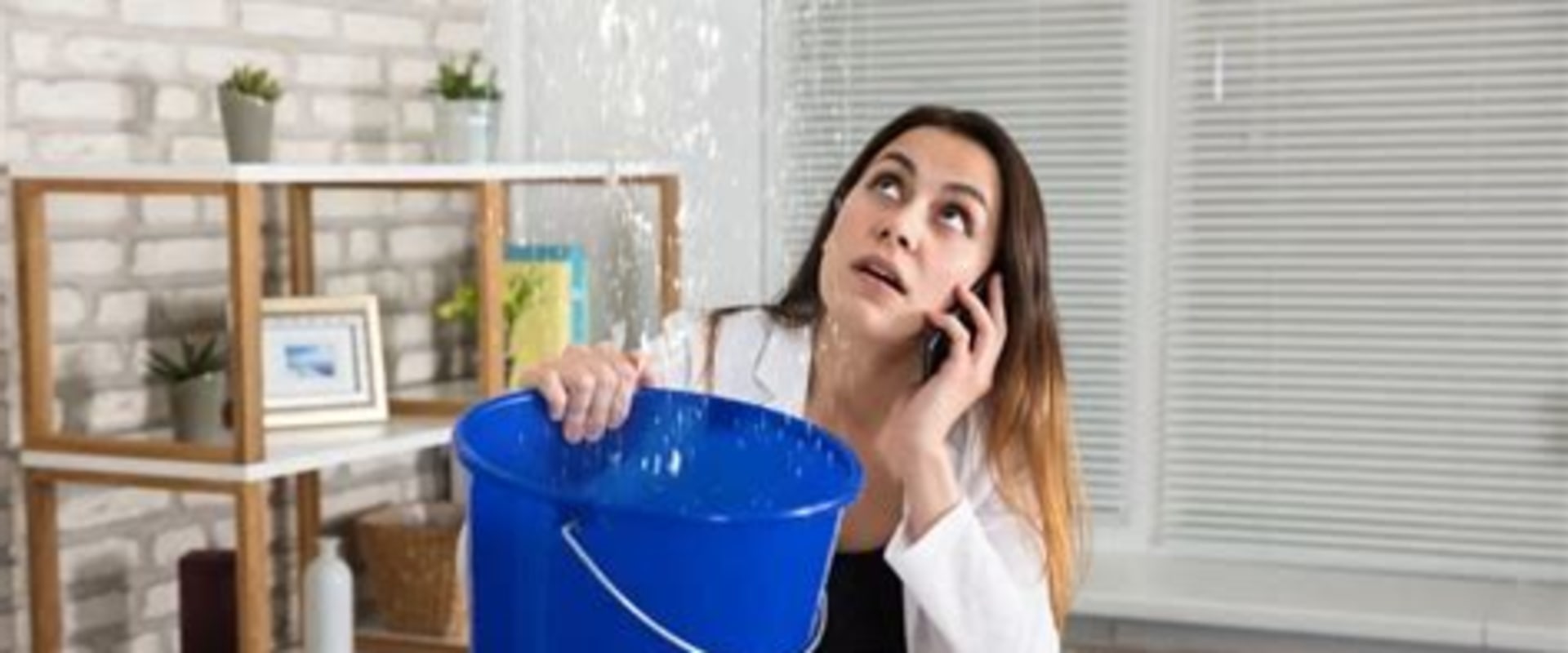
Water damage is a pervasive issue that can lead to significant problems in any home. Understanding the causes of water damage is essential for homeowners who want to protect their property and maintain its value. From leaky roofs and burst pipes to flooding and condensation, the sources of water intrusion can vary widely. Each type of water damage presents its own set of challenges, making it crucial to identify potential risks before they escalate into costly repairs. There are three primary categories of water damage: clean water, gray water, and black water.
Clean water typically comes from a broken pipe or rainwater, while gray water may originate from appliances like dishwashers or washing machines. Black water, on the other hand, is highly contaminated and can pose serious health risks. Recognizing these types helps homeowners understand the severity of the situation and the necessary steps for remediation. By grasping the various causes and types of water damage, homeowners can implement effective home repair and maintenance strategies. This proactive approach not only safeguards your living space but also enhances your home’s longevity and value.
In the following sections, we will explore practical measures you can take to prevent water damage, ensuring your home remains a safe and comfortable environment.
Regular Home Maintenance Checks
Regular home maintenance checks are essential for identifying potential risks that could lead to water damage. By conducting routine inspections, homeowners can catch issues early, saving time and money in the long run. A well-structured home maintenance checklist can guide you through the process, ensuring that no critical areas are overlooked.Here are some key areas to focus on during your regular home inspections:- Roof Inspection: Check for missing or damaged shingles, as well as signs of wear around chimneys and vents. Ensure gutters and downspouts are clear to prevent water overflow.
- Foundation Checks: Look for cracks or signs of settling in your foundation.
Water pooling around the foundation can lead to serious issues.
- Plumbing System: Inspect pipes for leaks, especially in basements and crawl spaces. Pay attention to water stains on walls or ceilings, which may indicate hidden leaks.
- Windows and Doors: Ensure seals are intact and check for any gaps that could allow water intrusion. Regularly inspect caulking and weather stripping.
- Appliances: Examine washing machines, dishwashers, and refrigerators for leaks. Replace hoses every few years to prevent wear and tear.
- Sump Pump Functionality: If you have a sump pump, test it regularly to ensure it’s working properly, especially before heavy rain seasons.
Remember that proactive measures are always more effective than reactive repairs. Schedule these inspections at least twice a year to keep your home safe and sound.
Proper Drainage Systems
One of the most effective ways to prevent water damage in your home is by ensuring you have proper drainage systems in place. A well-designed drainage system directs water away from your home’s foundation, significantly reducing the risk of flooding and water accumulation.Gutter Maintenance
- Regularly clean your gutters and downspouts to remove leaves, debris, and other blockages that can impede water flow.
- Inspect your gutters for any signs of damage, such as cracks or rust, and repair them promptly to maintain their effectiveness.
- Ensure that downspouts extend at least 5 to 10 feet away from your home’s foundation to prevent water from pooling near the base.
- Install a French drain: This type of drainage system can help redirect groundwater away from your home, especially in areas prone to heavy rainfall.
- Grade your yard: Ensure that the landscape slopes away from your home. This natural grading helps direct rainwater away from the foundation.
- Use permeable paving: If you have driveways or walkways, consider using permeable materials that allow water to seep through, reducing runoff and potential flooding.
Regular inspections and proactive measures will ensure that your property remains safe and dry, safeguarding it against the costly consequences of flooding.
Sealing and Insulating Your Home
One of the most effective ways to prevent water damage in your home is through proper sealing and insulation. By addressing potential leaks and moisture buildup, you can significantly reduce the risk of water-related issues.Sealing Windows and Doors
- Inspect the caulking around your windows and doors regularly. Over time, caulk can crack or peel, allowing water to seep in.
- Use high-quality weatherstripping to seal gaps around doors. This not only prevents leaks but also improves energy efficiency.
- Consider installing storm windows or doors for added protection against harsh weather conditions.
Insulation Tips
- Ensure that your attic is properly insulated.
Insufficient insulation can lead to condensation, which may cause mold growth and structural damage.
- Use vapor barriers in areas prone to moisture, such as basements and crawl spaces. These barriers help prevent moisture from seeping into your home.
- Check insulation in walls and floors. Properly insulated walls can help maintain a consistent temperature, reducing the likelihood of condensation.
Preventing Leaks
- Regularly inspect your roof for missing shingles or damage. A compromised roof can lead to significant leaks during rainstorms.
- Clean gutters and downspouts to ensure proper drainage.
Clogged gutters can overflow, directing water towards your home’s foundation.
- Consider installing a sump pump in areas prone to flooding. This device can help manage excess water and prevent it from entering your home.
Waterproofing Basements and Crawl Spaces
Waterproofing your basement and crawl spaces is essential for preventing water damage and mold growth in your home. Here are some effective methods to ensure these areas remain dry and safe.1.Install a Sump Pump
A sump pump is a crucial device for managing water accumulation in basements. It works by collecting excess water in a sump basin and pumping it out of your home. Ensure that the sump pump is properly installed and regularly maintained to keep it functioning effectively.2.Use Waterproofing Sealants
Applying waterproofing sealants to basement walls and floors can create a barrier against moisture.Look for products specifically designed for basement waterproofing, which can be applied to both interior and exterior surfaces. Make sure to follow the manufacturer's instructions for the best results.
3.Improve Drainage Systems
Proper drainage is vital in preventing water from pooling around your home. Ensure that gutters and downspouts are clear of debris and direct water at least 6 feet away from the foundation.Additionally, consider installing a French drain system around the perimeter of your basement to redirect water away from the foundation.
4.Maintain Crawl Spaces
Crawl spaces are often overlooked but can be a significant source of moisture problems. To maintain these areas:- Install a vapor barrier: Cover the ground with a thick plastic sheet to prevent moisture from rising into the space.
- Ensure proper ventilation: Install vents or fans to promote air circulation, reducing humidity levels.
- Regular inspections: Check for signs of water intrusion or mold growth periodically, addressing any issues immediately.
5.Monitor Humidity Levels
Keeping humidity levels in check is crucial for preventing mold growth. Use a hygrometer to monitor indoor humidity, aiming for levels between 30% and 50%.If humidity levels are high, consider using dehumidifiers in both basements and crawl spaces. By implementing these waterproofing techniques, you can significantly reduce the risk of water damage and mold growth in your home, ensuring a safer living environment.
Monitoring Indoor Humidity Levels
Maintaining optimal indoor humidity levels is crucial for preventing mold growth and protecting your home from water damage. High humidity can create a breeding ground for mold spores, which can lead to serious health issues and structural damage. Ideally, indoor humidity should be kept between 30% and 50%.To effectively monitor and control humidity levels, consider the following tips:- Use a Hygrometer: Invest in a hygrometer to regularly check the humidity levels in your home.
This simple device will help you understand when to take action.
- Utilize Dehumidifiers: In areas prone to high moisture, such as basements or bathrooms, using a dehumidifier can significantly reduce humidity levels. Make sure to empty the water reservoir regularly or opt for a model with a continuous drainage option.
- Improve Ventilation: Proper ventilation is key to maintaining good indoor air quality. Open windows when weather permits, use exhaust fans in kitchens and bathrooms, and consider installing vents in areas that trap moisture.
- Seal Leaks: Inspect your home for any leaks around windows, doors, and pipes. Sealing these leaks can prevent excess moisture from entering your home.
- Avoid Humidifiers: While humidifiers can be beneficial in dry climates, they can contribute to high humidity levels if overused.
Monitor their usage carefully.
Emergency Preparedness for Water Damage
Being prepared for potential water damage is crucial for every homeowner. A well-thought-out emergency preparedness plan can significantly reduce the impact of water-related incidents. Here are some essential steps to consider:- Create a Water Damage Response Plan: Outline specific actions to take in the event of water damage.
This plan should include:
- Identifying the main water shut-off valve and ensuring all family members know its location.
- Listing emergency contacts, including local plumbers and restoration services.
- Establishing a communication plan to keep family members informed during an emergency.
Gather Necessary Supplies:
Having the right supplies on hand can make a significant difference when responding to water damage. Consider assembling an emergency kit that includes:
- Waterproof tarps and plastic sheeting to cover damaged areas.
- A wet/dry vacuum for removing standing water.
- Fans and dehumidifiers to help dry out affected spaces.
- Basic tools such as wrenches, pliers, and screwdrivers for quick repairs.
- First aid supplies in case of injuries during the response process.
Regular Maintenance Checks:
Regularly inspect your home for potential vulnerabilities that could lead to water damage. This includes:
- Checking for leaks in plumbing fixtures and pipes.
- Inspecting the roof for missing shingles or signs of wear.
- Cleansing gutters and downspouts to ensure proper drainage away from your home.
FAQs About Preventing Water Damage in Homes
Homeowners often have questions about how to effectively prevent water damage in their homes.Here are some frequently asked questions that can help you safeguard your property:
- What are the most common causes of water damage? Water damage can stem from various sources, including leaky roofs, burst pipes, overflowing bathtubs, and poor drainage systems. Regular inspections can help identify potential issues before they escalate.
- How can I check for leaks in my home? To check for leaks, inspect areas such as under sinks, around toilets, and near appliances like dishwashers and washing machines. Look for water stains, mold growth, or dampness. Additionally, monitor your water bill for any unexplained increases.
- What maintenance tips can help prevent water damage? Regular maintenance is key.
Here are some tips:
- Clean gutters and downspouts regularly to ensure proper drainage.
- Seal cracks in your foundation and walls to prevent water intrusion.
- Install a sump pump in basements prone to flooding.
- Ensure that your landscaping slopes away from your home to direct water away from the foundation.
Conclusion: Key Takeaways for Homeowners
In conclusion, preventing water damage in your home is a critical aspect of home repair and maintenance that every homeowner should prioritize.By taking proactive measures, you can significantly reduce the risk of costly repairs and ensure a safe living environment. Here are the key takeaways to remember:
- Regular Inspections: Conduct routine checks of your plumbing, roof, and foundation to identify potential issues before they escalate.
- Proper Drainage: Ensure that gutters and downspouts are clear and direct water away from your home’s foundation to prevent pooling.
- Seal Vulnerable Areas: Use caulk or weather stripping to seal windows, doors, and any cracks in walls or foundations where water could enter.
- Maintain Humidity Levels: Utilize dehumidifiers in damp areas like basements to keep humidity levels in check and prevent mold growth.
- Install Water Alarms: Consider installing water leak detection systems that alert you to leaks before they cause significant damage.