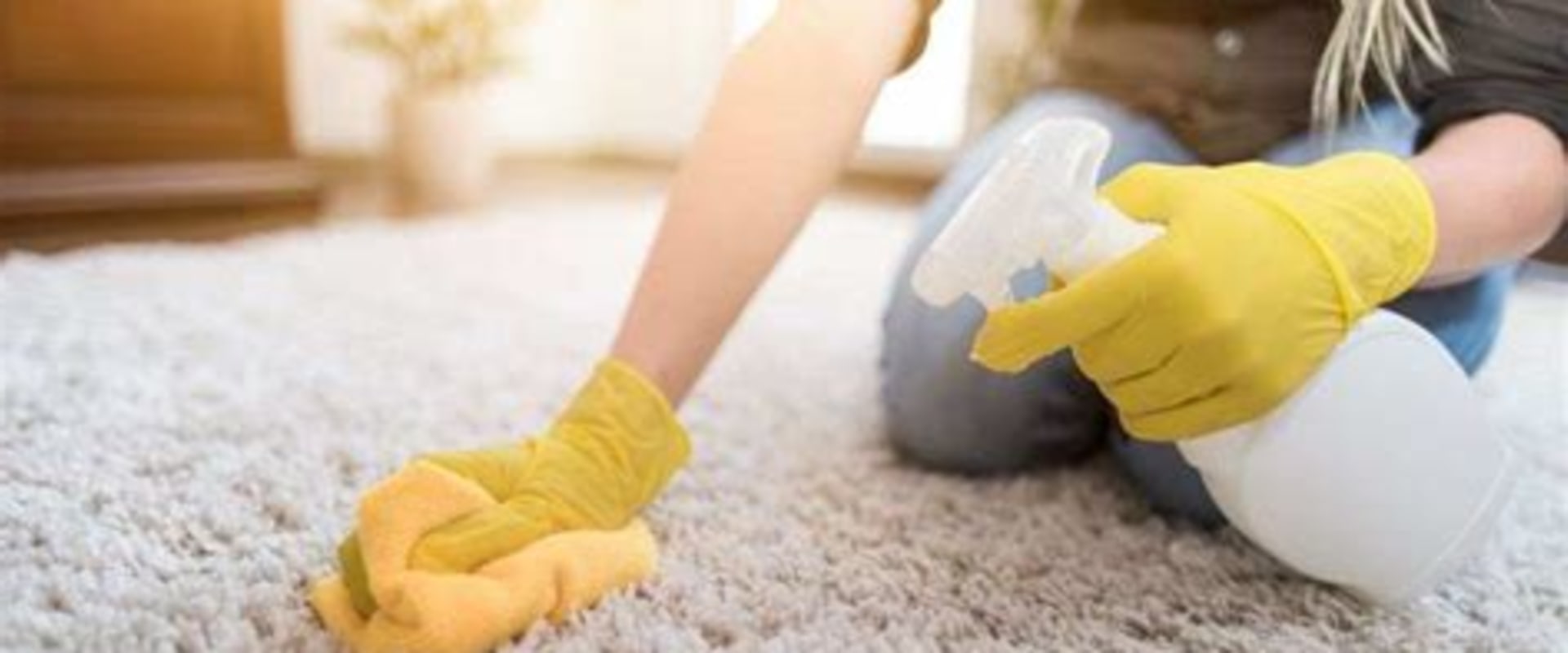
Maintaining the cleanliness of your home's carpets and floors is not just about aesthetics; it plays a crucial role in the overall health and longevity of your living space.
Clean carpets
and floors contribute significantly to a healthy indoor environment by reducing allergens, dust, and bacteria that can accumulate over time. When you prioritize cleanliness, you create a welcoming atmosphere that enhances the comfort of your home. Moreover, the benefits of clean floors extend beyond health. Regular maintenance can prolong the life of your flooring materials, whether they are hardwood, tile, or carpet.This not only saves you money in the long run but also preserves the beauty and integrity of your home’s interior. A well-maintained floor can elevate the overall aesthetic appeal of your space, making it more inviting for family and guests alike. Incorporating effective home maintenance tips into your routine can simplify the process of keeping your carpets and floors spotless. From regular vacuuming to utilizing appropriate cleaning products, understanding the best practices for different flooring types is essential. As we delve deeper into this topic, you will discover practical strategies that will help you maintain a clean and healthy home environment.
Regular Cleaning Routines
Establishing regular cleaning routines is essential for maintaining the cleanliness and longevity of your home's carpets and floors.By implementing a structured schedule, you can prevent dirt buildup and extend the life of your flooring materials.
Daily Maintenance Tips
- Vacuum High-Traffic Areas: Make it a habit to vacuum areas that see the most foot traffic daily. This helps remove dirt and debris before it settles into the fibers.
- Spot Clean Spills Immediately: Accidents happen, so be prepared to tackle spills right away. Use a clean cloth and a suitable cleaning solution to blot the area, preventing stains from setting in.
- Use Doormats: Placing doormats at entrances can significantly reduce the amount of dirt tracked into your home. Encourage family members and guests to wipe their feet before entering.
Weekly Cleaning Schedule
- Thorough Vacuuming: In addition to daily vacuuming, set aside time each week for a more thorough clean.
Move furniture as needed to ensure you reach all areas.
- Mop Hard Floors: For hard surface floors, use a damp mop with an appropriate cleaner weekly to remove grime and maintain shine.
- Check for Wear: Regularly inspect carpets and floors for signs of wear or damage. Early detection can help you address issues before they worsen.
Monthly Deep Cleaning
- Shampoo Carpets: Consider deep cleaning your carpets monthly using a carpet cleaner or hiring professionals. This removes embedded dirt and refreshes the fibers.
- Polish Hard Floors: For hardwood or laminate floors, apply a polish or wax monthly to protect the surface and enhance its appearance.
- Inspect Baseboards and Corners: Dust and dirt can accumulate in these often-overlooked areas. Wipe them down monthly to keep your home looking pristine.
Choosing the Right Cleaning Products
When it comes to maintaining the cleanliness of your home's carpets and floors, choosing the right cleaning products is essential.The effectiveness of your cleaning efforts largely depends on the products you select, especially when dealing with various materials and stains.
Best Carpet Cleaning Products
For carpets, look for products specifically designed for your carpet type.Enzymatic cleaners
are particularly effective for organic stains like food or pet messes, as they break down the stain at a molecular level. Additionally, consider using a steam cleaner with a suitable carpet cleaning solution to deep clean and refresh your carpets.Floor Cleaning Solutions
Different flooring types require different cleaning solutions. For hardwood floors, opt for a cleaner that is pH-balanced and specifically formulated for wood.Avoid harsh chemicals that can strip the finish. For tile and laminate floors, a mild detergent mixed with water can effectively remove dirt without damaging the surface.
Eco-Friendly Cleaners
In recent years, there has been a significant shift towards eco-friendly cleaners. These products are not only better for the environment but also safer for your family and pets. Look for cleaners that are biodegradable and free from harmful chemicals.Many brands now offer plant-based solutions that are just as effective as traditional cleaners.
- Vinegar and Water: A simple mixture of vinegar and water can serve as an excellent natural cleaner for both carpets and hard floors.
- Baking Soda: This versatile product can help eliminate odors in carpets when sprinkled on before vacuuming.
- Citrus-Based Cleaners: These are effective at cutting through grease and grime while leaving a pleasant scent.
Techniques for Deep Cleaning Carpets
Maintaining the cleanliness of your carpets is essential for both aesthetic appeal and hygiene.Deep cleaning carpets
is a crucial part of home repair and maintenance that can significantly extend the life of your flooring. Here are some effective techniques to consider:Carpet Shampooing Methods
One popular method for deep cleaning carpets is carpet shampooing.This technique involves applying a specially formulated carpet shampoo to the fibers, which helps to lift dirt and stains. Here’s how to effectively shampoo your carpets:
- Vacuum First: Always start by vacuuming the carpet thoroughly to remove loose dirt and debris.
- Choose the Right Shampoo: Select a carpet shampoo that is suitable for your carpet type. Look for eco-friendly options if you are concerned about chemicals.
- Use a Carpet Shampooer: Rent or purchase a carpet shampooer for best results. Follow the manufacturer's instructions for mixing the solution and using the machine.
- Rinse and Dry: After shampooing, rinse the carpet with clean water to remove any residue, then allow it to dry completely to prevent mold growth.
Steam Cleaning Benefits
Another effective technique is steam cleaning, which uses hot water vapor to penetrate deep into carpet fibers.This method offers several benefits:
- Sanitization: The high temperature of steam kills bacteria, dust mites, and allergens, making it an excellent choice for households with pets or allergies.
- Stain Removal: Steam cleaning can effectively remove tough stains without the need for harsh chemicals.
- Quick Drying: Since steam cleaning uses less water than traditional methods, carpets tend to dry faster, reducing the risk of mold.
Maintaining Hard Floors: Tips and Tricks
Maintaining hard floors is essential for both aesthetics and longevity. Whether you have hardwood, tile, or laminate flooring, implementing a regular cleaning routine can help preserve their beauty and functionality.Cleaning Hardwood Floors
To keep your hardwood floors looking pristine, follow these tips:- Regular Sweeping: Use a soft-bristle broom or a microfiber mop to remove dust and debris. This prevents scratches and keeps the surface clean.
- Mopping: Use a damp mop with a cleaner specifically designed for hardwood.
Avoid excessive water, as it can warp the wood.
- Protective Pads: Place felt pads under furniture legs to prevent scratches when moving items.
- Refinishing: Consider refinishing your hardwood floors every few years to restore their shine and protect against wear.
Tile Floor Care
Tile floors are durable but require specific care:- Regular Cleaning: Sweep or vacuum regularly to remove dirt. Use a damp mop with a pH-neutral cleaner for deeper cleaning.
- Grout Maintenance: Clean grout lines with a mixture of baking soda and vinegar to prevent discoloration. Sealing grout can also help maintain its appearance.
- Avoid Harsh Chemicals: Steer clear of abrasive cleaners that can damage the tile surface.
Laminate Floor Maintenance
If you have laminate flooring, consider these maintenance tips:- Sweeping and Vacuuming: Regularly sweep or vacuum to keep dirt from scratching the surface.
- Damp Mopping: Use a damp mop with a laminate floor cleaner. Avoid soaking the floor, as excess moisture can cause damage.
- Avoid Heavy Furniture: Use coasters or pads under heavy furniture to prevent indentations.
Regular attention not only enhances the look of your home but also contributes to its overall value in the realm of home repair and maintenance.
Dealing with Stains and Spills Effectively
Maintaining the cleanliness of your carpets and floors is essential for a healthy home environment. When it comes to dealing with stains and spills, quick action is crucial. Here are some effective techniques to help you tackle common issues:How to Remove Carpet Stains
Different types of stains require different approaches. Here are some common stains and how to address them:- Food and Beverage Stains: Blot the area with a clean cloth to absorb excess liquid.
Mix one tablespoon of dish soap, one tablespoon of white vinegar, and two cups of warm water. Apply this solution to the stain using a cloth, then blot until the stain lifts.
- Pet Stains: For urine stains, use an enzymatic cleaner specifically designed for pet messes. Apply according to the product instructions, ensuring it penetrates deep into the carpet fibers.
- Ink Stains: Dab the stain with rubbing alcohol on a cotton ball. Be careful not to rub, as this can spread the ink further.
Spill Cleanup Tips
When a spill occurs, follow these steps for effective cleanup:- Act Quickly: The sooner you address a spill, the easier it will be to remove.
- Blot, Don’t Rub: Always blot the spill with a clean cloth or paper towel.
Rubbing can damage fibers and spread the stain.
- Use Cold Water: For most spills, cold water is best. Hot water can set certain stains.
Stain Prevention Techniques
Preventing stains is just as important as cleaning them. Consider these tips:- Regular Vacuuming: Frequent vacuuming helps remove dirt and debris that can lead to stains.
- Area Rugs: Use area rugs in high-traffic zones to protect your floors and carpets from wear and tear.
- Shoe Policy: Implement a no-shoes policy in your home to minimize dirt and spills.
Preventive Measures to Keep Floors Clean
Maintaining the cleanliness of your home's carpets and floors starts with effective preventive measures. By implementing a few simple strategies, you can significantly reduce the amount of dirt and debris that enters your living space.- Use Doormats: Place high-quality doormats at every entrance to your home.
These mats act as the first line of defense against dirt, mud, and moisture. Encourage family members and guests to wipe their feet thoroughly before stepping inside.
- Shoe-Free Policy: Consider adopting a shoe-free policy in your home. Provide a designated area for shoes near the entrance and offer comfortable indoor slippers. This simple change can drastically reduce the amount of dirt tracked onto your carpets and floors.
- Regular Shoe Cleaning: If you prefer to wear shoes indoors, make it a habit to clean them regularly.
Use a damp cloth or a shoe brush to remove dirt and debris before entering your home.
- Floor Mats in High-Traffic Areas: Invest in durable floor mats for high-traffic areas such as hallways and entryways. These mats can absorb moisture and trap dirt, protecting your floors from wear and tear.
- Groom Pets Regularly: If you have pets, regular grooming is essential. Brush them frequently to minimize shedding and consider using pet-friendly cleaning products to tackle any messes they may leave behind.
FAQs About Carpet and Floor Maintenance
Maintaining the cleanliness of your carpets and floors is essential for both aesthetics and hygiene.Here are some frequently asked questions that can help you navigate common concerns regarding carpet and floor maintenance.
What are the best ways to remove stains from carpets?
Stains can be a nightmare, but quick action can save your carpet. Here are some effective methods:- Blot, don’t rub: Always blot the stain with a clean cloth to absorb as much liquid as possible.
- Use mild detergents: A mixture of warm water and a few drops of dish soap can work wonders on many stains.
- Vinegar solution: For tougher stains, mix equal parts of white vinegar and water, apply it to the stain, and blot until it lifts.
How often should I vacuum my carpets?
Regular vacuuming is crucial for maintaining your carpets. Aim to vacuum at least once a week, but consider increasing this frequency in high-traffic areas. This helps to remove dirt and allergens that can accumulate over time.What is the best way to clean hardwood floors?
For hardwood floors, follow these tips:- Dust regularly: Use a microfiber mop or cloth to pick up dust and debris.
- Mop with care: Use a damp mop with a cleaner specifically designed for hardwood floors.
Avoid excessive water, as it can damage the wood.
- Avoid harsh chemicals: Stick to pH-balanced cleaners to maintain the finish of your floors.
How can I prevent my carpets from getting dirty?
Prevention is key in maintaining clean carpets. Here are some strategies:- Use doormats: Place doormats at entrances to trap dirt before it enters your home.
- Shoe-free policy: Encourage family and guests to remove their shoes upon entering.
- Regular professional cleaning: Schedule professional carpet cleaning every 12-18 months to keep them looking fresh.
Conclusion: Key Takeaways for a Cleaner Home
In conclusion, maintaining the cleanliness of your home's carpets and floors is an essential aspect of home repair and maintenance. By implementing a few key strategies, you can ensure that your living spaces remain inviting and hygienic.Regular Cleaning Routines
Establishing a regular cleaning routine is crucial. This includes:- Vacuuming at least once a week to remove dirt and allergens.
- Using a carpet cleaner or steam cleaner every few months to deep clean carpets.
- Mopping hard floors regularly to prevent grime buildup.
Immediate Attention to Spills
Addressing spills and stains promptly can prevent long-term damage.Here are some tips:
- Blot spills immediately with a clean cloth rather than rubbing, which can spread the stain.
- Use appropriate cleaning solutions for different types of stains, ensuring you follow the manufacturer's guidelines.
Protective Measures
Taking preventive measures can significantly reduce the amount of dirt that enters your home:- Place doormats at entrances to trap dirt before it reaches your floors.
- Encourage a no-shoes policy indoors to minimize tracking in outdoor debris.