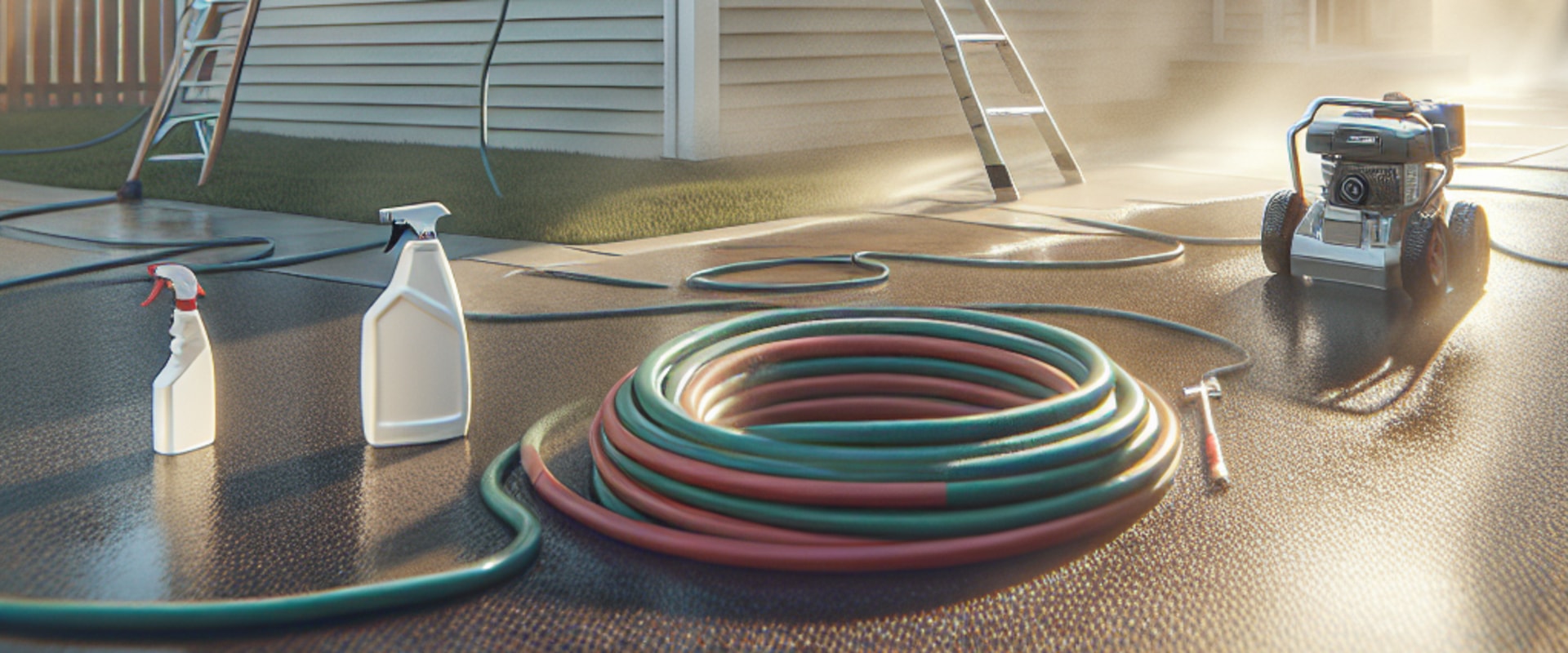
Maintaining the exterior of your home is not just about aesthetics; it plays a crucial role in preserving the overall value of your property. A well-kept exterior can significantly enhance your home’s curb appeal, making it more inviting and attractive to visitors and potential buyers alike. When you invest time and effort into home repair and maintenance, you are essentially safeguarding your investment against the elements and the wear and tear that comes with time. Moreover, regular upkeep of your home’s exterior can prevent minor issues from escalating into major problems. For instance, neglecting to clean gutters can lead to water damage, while failing to repaint or seal surfaces can result in costly repairs down the line.
By prioritizing home exterior upkeep, you not only protect your property but also contribute to a safer living environment for you and your family. The benefits of maintaining your home’s exterior extend beyond mere preservation. A well-maintained exterior can improve energy efficiency, reduce maintenance costs, and even enhance your neighborhood's overall appearance. In a world where first impressions matter, ensuring that your home looks its best is an investment worth making.
Regular Inspections: The First Step in Home Maintenance
Regular inspections are crucial for maintaining the exterior of your home. By routinely assessing the condition of your property, you can identify potential issues before they escalate into costly repairs.A well-structured home inspection checklist can guide you through this process, ensuring that no detail is overlooked.When inspecting your home’s exterior, focus on several key areas:
- Roof: Check for missing shingles, signs of wear, or leaks. Look for any sagging areas that may indicate structural issues.
- Siding: Inspect for cracks, peeling paint, or mold growth. These can be signs of moisture intrusion or pest infestations.
- Windows and Doors: Ensure that seals are intact and check for any signs of rot or damage around frames.
- Foundation: Look for cracks or settling that could indicate serious structural problems.
- Gutters and Downspouts: Ensure they are clear of debris and functioning properly to prevent water damage.
- Schedule Regular Inspections: Aim to inspect your home at least twice a year, ideally in spring and fall.
- Document Findings: Take notes and photographs of any issues you find. This will help track changes over time.
- Prioritize Repairs: Address any significant issues immediately to prevent further damage.
Early detection is key to preserving the integrity of your home and avoiding expensive repairs down the line. By incorporating regular inspections into your home repair and maintenance routine, you can ensure that your home remains in excellent condition for years to come.
Roof Maintenance: Protecting Your Home from Above
Maintaining your roof is crucial for the overall health of your home. Regular roof maintenance not only extends the lifespan of your roof but also protects your home from potential damage caused by leaks and structural issues. Here are some essential tips to keep your roof in top condition:- Clean Your Gutters: Clogged gutters can lead to water pooling on your roof, which may cause leaks and damage.
Make it a habit to clean your gutters at least twice a year, especially in the fall and spring.
- Inspect for Damage: Regularly check your roof for signs of damage, such as missing shingles, cracks, or discoloration. Look for any areas where water might be pooling or where debris has accumulated.
- Check for Leaks: After heavy rain or snow, inspect your attic and ceilings for any signs of water stains or leaks. Early detection can save you from costly repairs down the line.
- Trim Overhanging Branches: Trees that hang over your roof can drop leaves and branches, leading to debris buildup. Trim these branches to prevent damage and reduce maintenance needs.
- Schedule Professional Inspections: It’s wise to have a professional inspect your roof at least once a year.
They can identify issues that may not be visible to the untrained eye and provide recommendations for repairs.
Siding Care: Keeping Your Home's Skin Healthy
Maintaining your home's siding is crucial for both aesthetic appeal and structural integrity. Different materials require specific care, so understanding how to properly maintain your siding can extend its lifespan and enhance your home's curb appeal.Siding Maintenance Tips
- Vinyl Siding: This type of siding is low-maintenance but should be cleaned regularly to prevent mold and mildew. Use a mixture of water and mild detergent, applying it with a soft brush or cloth.
- Wood Siding: Wood requires more attention.
Inspect for signs of rot or insect damage at least once a year. Repaint or stain every 3-5 years to protect against moisture.
- Fiber Cement Siding: This durable material needs minimal maintenance. Clean it with a pressure washer annually to remove dirt and debris, ensuring the paint remains intact.
How to Clean Siding
Cleaning your siding not only improves its appearance but also prevents long-term damage. Here are some effective cleaning methods:- Pressure Washing: Ideal for vinyl and fiber cement siding, pressure washing can remove stubborn stains.
Ensure you use the correct pressure setting to avoid damaging the material.
- Hand Washing: For delicate materials like wood, hand washing with a soft brush and soapy water is recommended. Rinse thoroughly to avoid soap residue.
- Mold and Mildew Treatment: If you notice mold, use a solution of one part bleach to three parts water. Apply it carefully and rinse well after a few minutes.
Siding Repair Options
Over time, even the best-maintained siding may require repairs. Here are some common options:- Patching: Small holes or cracks in vinyl or fiber cement can often be patched with appropriate materials.
Ensure the patch matches the existing color and texture.
- Replacement Panels: For significant damage, replacing entire panels may be necessary. This is especially true for wood siding that has rotted beyond repair.
- Professional Help: If you're unsure about the extent of the damage or how to proceed, hiring a professional can save time and ensure quality repairs.
Window and Door Maintenance: Ensuring Energy Efficiency
Maintaining your windows and doors is crucial for ensuring energy efficiency in your home. Regular upkeep not only enhances the aesthetic appeal of your property but also helps in reducing energy costs. Here are some essential tips for effective window maintenance and door maintenance.Window Maintenance Tips
- Inspect Seals and Weatherstripping: Check the seals around your windows for any signs of wear or damage.
Replacing worn-out weatherstripping can prevent drafts and improve insulation.
- Clean Regularly: Dirt and grime can accumulate on window panes, affecting their clarity and efficiency. Use a mixture of vinegar and water to clean the glass, ensuring maximum sunlight enters your home.
- Check for Cracks: Inspect the window frames for cracks or gaps. Use caulk to seal any openings, which will help maintain your home’s temperature.
- Lubricate Moving Parts: For windows that slide or crank open, apply a silicone-based lubricant to ensure smooth operation and prevent wear over time.
Door Maintenance Tips
- Inspect Door Frames: Just like windows, door frames can develop gaps over time. Check for any spaces between the door and frame, and use weatherstripping or door sweeps to seal them.
- Regular Cleaning: Clean your doors with a mild detergent to remove dirt and prevent corrosion, especially on metal doors.
- Check Hinges: Ensure that door hinges are well-lubricated to avoid squeaking and sticking.
This will also prolong the life of your doors.
- Test Security Features: Regularly check locks and deadbolts to ensure they function properly. A secure door not only keeps your home safe but also contributes to energy efficiency by ensuring a tight seal.
Landscaping and Outdoor Spaces: Enhancing Curb Appeal
Maintaining your home's exterior is crucial not only for aesthetic appeal but also for protecting your property from potential damage.Landscaping
plays a significant role in enhancing curb appeal and ensuring the longevity of your home.Here are some effective landscaping tips and maintenance practices to consider:
- Regular Lawn Care: Keep your lawn healthy by mowing regularly, watering deeply, and fertilizing as needed. A lush, green lawn creates an inviting atmosphere and can significantly boost your home's curb appeal.
- Plant Selection: Choose native plants that thrive in your local climate. These plants require less water and maintenance, making them ideal for sustainable landscaping.
- Mulching: Apply mulch around trees and flower beds to retain moisture, suppress weeds, and improve soil quality. This practice not only enhances the appearance of your garden but also protects the foundation of your home from water damage.
- Pruning and Trimming: Regularly prune shrubs and trees to maintain their shape and health.
Overgrown plants can obstruct views and detract from your home's appearance.
- Seasonal Clean-Up: Conduct seasonal clean-ups to remove debris, fallen leaves, and dead plants. This not only keeps your outdoor space tidy but also prevents pests from taking up residence.
- Pathways and Patios: Create defined pathways using stone or pavers to guide visitors through your garden. A well-placed patio can serve as a functional outdoor living area.
- Outdoor Lighting: Install lighting fixtures along pathways or around focal points in your garden. This not only improves safety but also highlights the beauty of your landscaping at night.
- Water Features: Adding a fountain or pond can create a serene atmosphere while attracting wildlife, further enhancing the natural beauty of your home.
A well-maintained outdoor space not only reflects pride in homeownership but also increases property value over time.
Seasonal Maintenance Checklist: Preparing for the Elements
Maintaining your home’s exterior is crucial for protecting your investment and ensuring its longevity. A seasonal maintenance checklist can help you stay organized and proactive in addressing the needs of your home throughout the year. Here’s a breakdown of essential tasks to consider for each season:Spring Maintenance
- Inspect the Roof: Check for missing or damaged shingles and clear any debris from gutters.
- Clean Windows: Wash windows inside and out to let in more natural light.
- Check for Pests: Look for signs of insects or rodents and take necessary measures to eliminate them.
- Landscaping: Trim trees and shrubs, and prepare flower beds for planting.
Summer Maintenance
- Paint Touch-Ups: Inspect the exterior paint and touch up any areas that are peeling or fading.
- Deck Care: Clean and seal your deck to protect it from sun damage and moisture.
- Air Conditioning Check: Ensure your AC unit is functioning efficiently by cleaning filters and checking ducts.
Fall Maintenance
- Gutter Cleaning: Remove leaves and debris to prevent clogs before winter.
- Weatherproofing: Inspect windows and doors for drafts; apply weather stripping as needed.
- Furnace Inspection: Schedule a professional check-up to ensure your heating system is ready for winter.
Winter Maintenance
- Winterize Outdoor Faucets: Disconnect hoses and insulate outdoor spigots to prevent freezing.
- Inspect Insulation: Check attic insulation to keep heating costs down during cold months.
- Snow Removal: Keep walkways clear of snow and ice to prevent accidents.
Common Mistakes in Home Exterior Maintenance to Avoid
Maintaining your home's exterior is crucial for both aesthetics and longevity, yet many homeowners fall into common traps that can lead to costly repairs down the line.Here are some frequent mistakes to avoid:
- Neglecting Regular Inspections: One of the biggest pitfalls is failing to conduct regular inspections of your home's exterior. This includes checking for signs of wear and tear, such as peeling paint, cracked siding, or damaged roofing. Schedule seasonal inspections to catch issues early.
- Ignoring Gutters and Downspouts: Clogged gutters can lead to water damage and mold growth. Homeowners often forget to clean their gutters regularly, which can result in overflow and damage to the foundation.
Make it a habit to clear debris at least twice a year.
- Using the Wrong Cleaning Products: When cleaning your home's exterior, using harsh chemicals can damage surfaces. Opt for gentle, eco-friendly cleaners that are safe for your siding, windows, and landscaping.
- Overlooking Landscaping Maintenance: Overgrown shrubs and trees can trap moisture against your home’s exterior, leading to rot and pest infestations. Regularly trim back vegetation and ensure that plants are not too close to the foundation.
- Postponing Repairs: Many homeowners delay necessary repairs due to cost or inconvenience. However, small issues can quickly escalate into larger problems if not addressed promptly.
Create a maintenance schedule that prioritizes timely repairs.
Conclusion: Keeping Your Home's Exterior in Top Shape Year-Round
In conclusion, maintaining your home's exterior is not just about aesthetics; it plays a crucial role in preserving the overall integrity and value of your property. Regular home repair and maintenance can prevent minor issues from escalating into costly repairs, ensuring that your home remains a safe and welcoming environment. Throughout this article, we have explored various strategies to keep your home's exterior in top shape. From routine inspections to seasonal maintenance tasks, each step contributes to the longevity of your home. Here are some key takeaways:- Regular Inspections: Conducting thorough inspections at least twice a year can help identify potential problems early on.
- Cleaning Gutters: Keeping gutters clear of debris prevents water damage and protects your foundation.
- Painting and Sealing: Regularly painting and sealing surfaces not only enhances curb appeal but also protects against weather-related wear.
- Lawn Care: Maintaining your landscaping not only improves aesthetics but also prevents pests and erosion.
- Roof Maintenance: Inspecting and repairing your roof can prevent leaks and extend its lifespan.
Remember, a well-maintained exterior not only enhances the beauty of your property but also increases its market value. Make home repair and maintenance a priority, and you will reap the benefits for years to come.