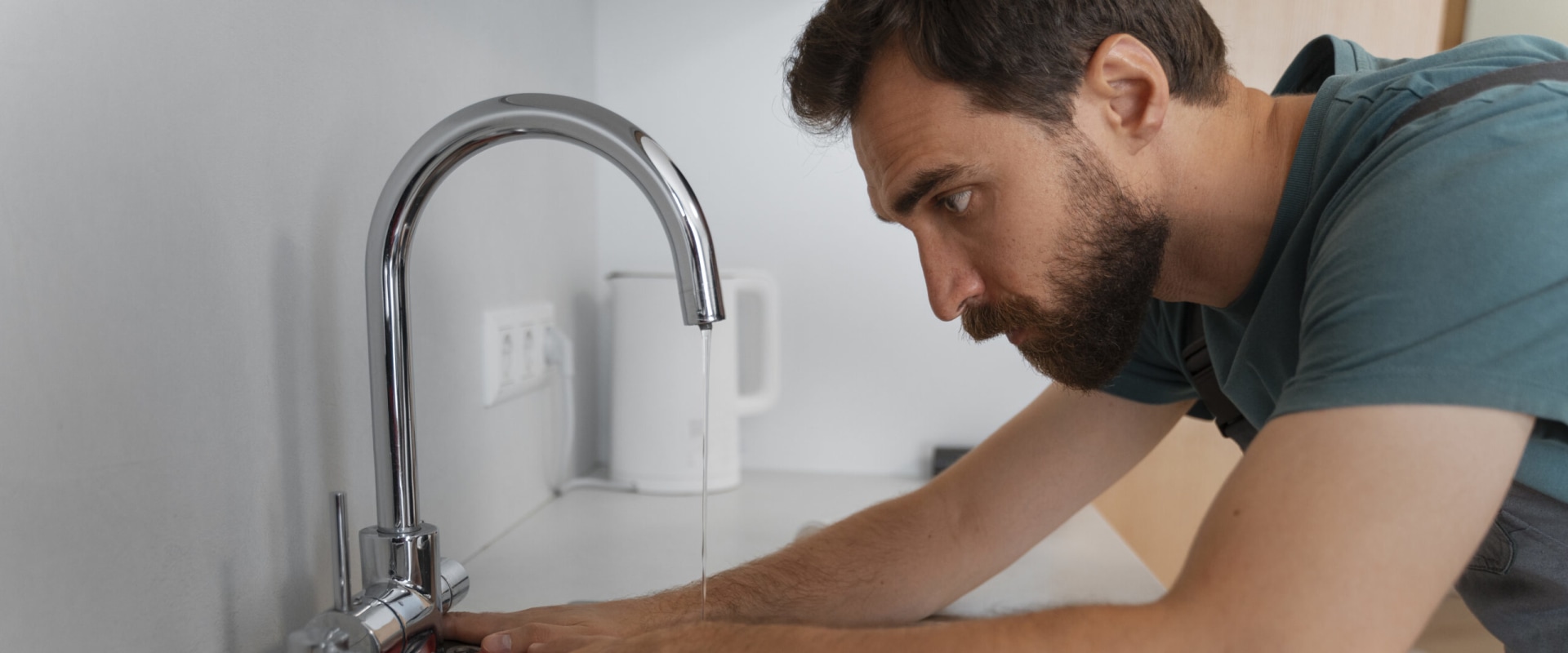
Faucet leaks are a common household issue that can lead to significant water waste and increased utility bills if not addressed promptly. Understanding the basics of faucet leaks is essential for any homeowner looking to maintain their property effectively. Not only do leaks create an annoying dripping sound, but they can also cause water damage over time, affecting cabinetry and flooring. By learning about the different types of faucets and their common issues, you can take proactive steps to resolve these problems before they escalate. There are several types of faucets, including compression, cartridge, ball, and ceramic disc faucets, each with its unique design and potential for leaks.
For instance, compression faucets often leak due to worn-out washers, while cartridge faucets may develop leaks from a faulty cartridge. Recognizing the type of faucet you have is crucial in diagnosing the source of the leak and determining the appropriate repair method. Common causes of leaks include worn-out seals, loose parts, or mineral buildup that can hinder proper function. Addressing these issues not only helps conserve water but also enhances the overall efficiency of your plumbing system. In the following sections, we will delve deeper into identifying specific problems and provide step-by-step instructions on how to fix a leaky faucet effectively.
Identifying the Type of Faucet You Have
Before you can effectively fix a leaky faucet, it’s essential to identify the type of faucet you have.Each type has its own unique mechanism and repair requirements. Here are the most common types of faucets:
- Compression Faucet: This is one of the oldest types of faucets, characterized by two handles that control the flow of water. When you turn the handle, it compresses a rubber washer against a valve seat to stop the water flow. If you notice leaks, it’s often due to worn-out washers or O-rings.
- Cartridge Faucet: Cartridge faucets have a single or double handle and use a cartridge to control water flow.
They are known for their smooth operation and are less prone to leaks compared to compression faucets. If your cartridge faucet is leaking, replacing the cartridge is usually the solution.
- Ball Faucet: Commonly found in kitchen sinks, ball faucets have a single handle that controls both temperature and flow. They operate using a rotating ball mechanism. If you experience leaks, it may be due to worn-out seals or springs within the ball assembly.
- Ceramic Disc Faucet: This modern faucet type features a pair of ceramic discs that slide over each other to control water flow.
They are highly durable and resistant to leaks. However, if they do leak, it typically involves replacing the entire disc assembly.
Common Causes of Faucet Leaks
Understanding the common causes of faucet leaks is essential for any homeowner looking to tackle home repair and maintenance. Leaky faucets can be a nuisance, but identifying the root cause can simplify the repair process.- Worn Washers: One of the most frequent culprits behind faucet leaks is a worn washer.
Washers are small rubber or plastic components that create a seal when the faucet is turned off. Over time, these washers can degrade due to constant friction and exposure to water, leading to leaks.
- Damaged O-Rings: O-rings are another critical component in faucet design, typically found around the handle. If an O-ring becomes damaged or worn out, it can cause water to leak from the handle area. Regular inspection and replacement of O-rings can prevent this issue.
- Corroded Valve Seats: The valve seat connects the faucet to the spout and is responsible for controlling water flow.
If this part becomes corroded due to mineral buildup or age, it can lead to leaks. Cleaning or replacing a corroded valve seat is often necessary to restore proper function.
Tools and Materials Needed for Repair
Before embarking on your faucet repair journey, it’s essential to gather the right tools and materials.Having everything on hand will streamline the process and help you avoid unnecessary trips to the hardware store.
Essential Tools
- Adjustable Wrench: This versatile tool is crucial for loosening and tightening nuts and bolts.
- Screwdriver Set: A set of both flathead and Phillips screwdrivers will be necessary for removing screws from the faucet handle and other components.
- Pliers: Needle-nose pliers can be particularly useful for gripping small parts or reaching into tight spaces.
- Plumber's Tape: Also known as Teflon tape, this is essential for sealing threaded connections to prevent leaks.
- Bucket or Bowl: To catch any water that may spill during the repair process, having a bucket or bowl handy is a smart move.
Materials Needed
- Replacement Washers: These are often the culprits behind leaks, so having a few different sizes on hand is wise.
- O-Rings: Similar to washers, O-rings can wear out over time and may need replacing to stop leaks.
- Cartridge or Valve Assembly: Depending on your faucet type, you may need a new cartridge or valve assembly if the leak persists after replacing washers and O-rings.
- Cleaning Supplies: A cloth or sponge will help clean any debris or mineral buildup around the faucet before you start repairs.
Step-by-Step Instructions to Fix a Leaky Faucet
Fixing a leaky faucet can seem daunting, but with the right tools and a little patience, you can tackle this DIY faucet repair project yourself. Follow these step-by-step instructions to get your faucet back in working order.- Gather Your Tools: Before you start, make sure you have the necessary tools. You will need:
- A wrench
- A screwdriver (flathead and Phillips)
- Replacement parts (washers, O-rings, or cartridges depending on your faucet type)
- A towel or rag
- A small bowl to catch water
- Turn Off the Water Supply: Locate the shut-off valves under the sink and turn them clockwise to stop the water flow.
If there are no local shut-off valves, turn off the main water supply for your home.
- Drain the Faucet: Open the faucet to let any remaining water drain out. This will also relieve pressure in the pipes.
- Remove the Faucet Handle: Depending on your faucet type, you may need to remove a decorative cap to access the screw. Use a screwdriver to take off the handle and set it aside.
- Inspect and Replace Parts: Check for worn-out washers or O-rings. If they appear damaged, replace them with new ones.
For cartridge faucets, you may need to replace the entire cartridge. Make sure to take the old part to a hardware store to find an exact match.
- Reassemble the Faucet: Once you’ve replaced the necessary parts, reattach the handle and any decorative caps. Ensure everything is tightened securely but avoid over-tightening which can cause damage.
- Turn On the Water Supply: Slowly turn on the water supply and check for leaks. If everything is functioning properly, your faucet should no longer leak.
Regular maintenance can help prevent future leaks and keep your home in top shape.
Troubleshooting Common Issues During Repair
When tackling a leaky faucet, you may encounter several common issues that can complicate the repair process. Understanding these problems and knowing how to troubleshoot them can save you time and frustration.Common Issues When Fixing Faucets
- Incorrect Parts: One of the most frequent issues is using the wrong replacement parts. Always ensure that the parts you purchase are compatible with your specific faucet model.
- Improper Assembly: After replacing components, if the faucet still leaks, it might be due to improper assembly.
Double-check that all parts are securely fitted and aligned correctly.
- Worn Out Seals: If you notice persistent leaks, the seals may be worn out. Inspect O-rings and washers for damage and replace them as needed.
- Water Pressure Issues: High water pressure can exacerbate leaks. If your faucet continues to leak after repairs, consider checking your home’s water pressure.
What to Do If Your Faucet Still Leaks
If you've completed the repair but your faucet is still leaking, follow these steps:- Reassess Your Work: Go back through each step of your repair process. Ensure that all components are installed correctly and that no parts were overlooked.
- Check for Additional Leaks: Sometimes, leaks can occur in other areas of the plumbing system.
Inspect surrounding pipes and connections for any signs of moisture.
- Consult a Professional: If troubleshooting does not resolve the issue, it may be time to call a plumber. They can provide expert advice and solutions for more complex problems.
When to Call a Professional Plumber
While many home repair and maintenance tasks can be tackled with a bit of DIY spirit, there are certain situations where calling a professional plumber is not just advisable, but necessary. Recognizing these scenarios can save you time, money, and potential damage to your home.Signs You Need Professional Help
- Persistent Leaks: If your faucet continues to leak despite your best efforts to fix it, this could indicate a more serious underlying issue.
- Low Water Pressure: A sudden drop in water pressure can signal a blockage or leak in the plumbing system that requires expert diagnosis.
- Unusual Noises: Gurgling or banging sounds from your pipes may suggest air trapped in the system or other complications that need professional attention.
- Water Discoloration: If you notice brown or rusty water, it could indicate corrosion in your pipes, which should be addressed by a plumber.
- Mold or Mildew: The presence of mold around your faucet or under the sink can be a sign of hidden leaks that need to be professionally assessed.
Complex Plumbing Issues Beyond DIY
Some plumbing problems are simply too complex for the average homeowner to handle.These include:
- Main Sewer Line Issues: If you experience multiple drain clogs throughout your home, it may indicate a problem with the main sewer line that requires specialized equipment and expertise.
- Pipe Replacement: Replacing old or damaged pipes is a significant task that often requires permits and professional knowledge to ensure compliance with local codes.
- Water Heater Problems: Issues with your water heater, such as leaks or failure to heat water, should be handled by a professional due to the complexity and potential hazards involved.
Preventive Maintenance Tips for Faucets
Maintaining your faucets is crucial for preventing leaks and ensuring their longevity. Here are some effective preventive maintenance tips to keep your faucets in top condition:- Regular Inspections: Periodically check your faucets for any signs of wear or damage. Look for corrosion, cracks, or loose fittings that could lead to leaks.
- Clean Aerators: Mineral buildup can affect water flow and pressure.
Remove the aerator from the faucet and soak it in vinegar to dissolve any deposits. Rinse thoroughly before reattaching.
- Check Washers and O-Rings: These components are often the culprits behind leaks. Inspect them regularly and replace them if they show signs of wear or damage.
- Use the Right Tools: When tightening or loosening faucet components, use the appropriate tools to avoid damaging the fixtures. A gentle touch can prevent unnecessary wear.
- Monitor Water Pressure: High water pressure can strain your plumbing fixtures, leading to leaks.
Consider installing a pressure regulator if you notice excessively high pressure.
Conclusion: Key Takeaways on Fixing Faucet Leaks
In conclusion, addressing a leaky faucet is not just about stopping the annoying drip; it’s a crucial aspect of home repair and maintenance that can save you money on water bills and prevent further damage to your plumbing system. Understanding the different types of faucets—such as compression, cartridge, ball, and ceramic disk—can help you identify the source of the leak more effectively.Throughout this article, we explored the common causes of faucet leaks, including:- Worn washers or O-rings that can lead to water seeping through.
- Corroded valve seats that compromise the seal.
- Loose parts that may require tightening or replacement.
Replacing worn components promptly not only extends the life of your fixtures but also enhances their efficiency.Finally, if you find yourself overwhelmed or unsure about tackling a faucet repair, don’t hesitate to consult a professional plumber. They can provide expert advice and ensure that repairs are done correctly, safeguarding your home’s plumbing system for years to come.In summary, understanding your faucet type, identifying potential leak causes, and committing to regular maintenance are essential steps in effective home repair and maintenance. By following these guidelines, you can keep your faucets in top condition and enjoy a leak-free home.