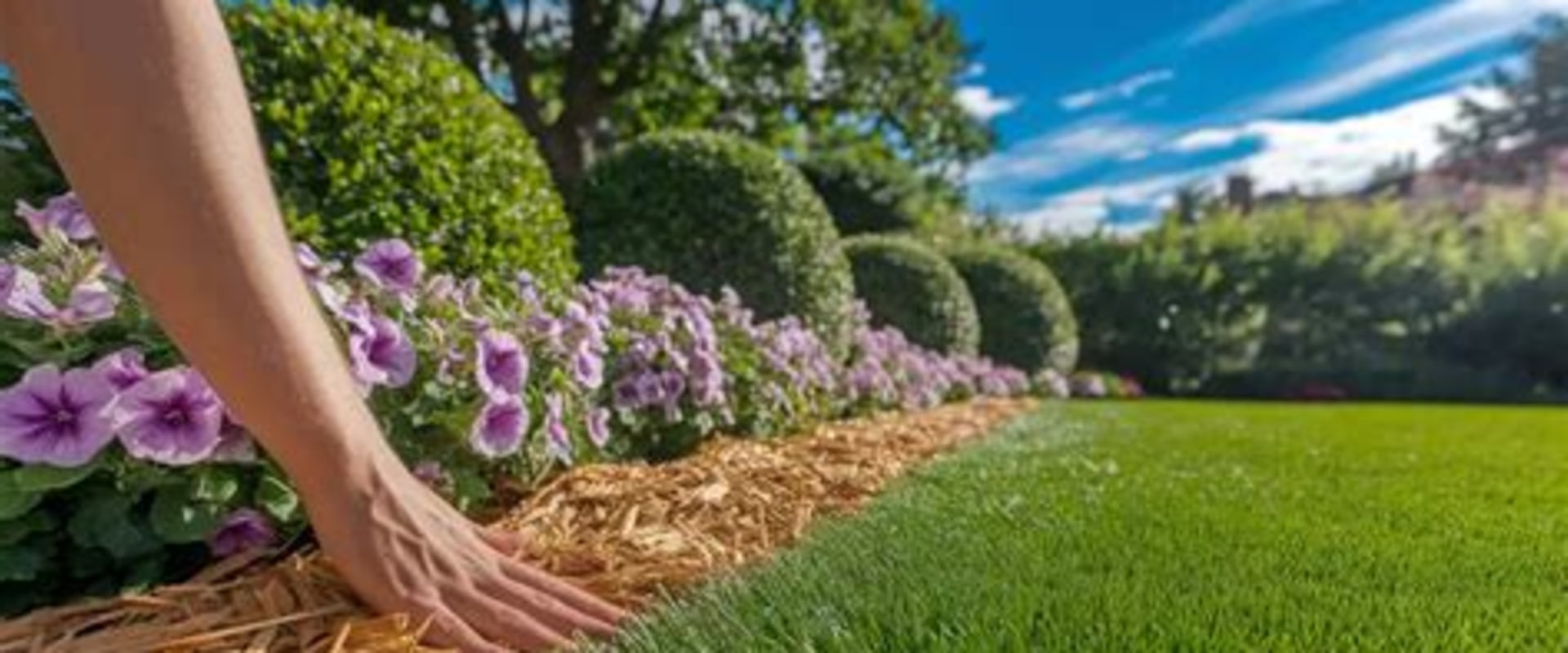
Maintaining a vibrant lawn and garden is not just about aesthetics; it plays a crucial role in enhancing the overall appeal of your home. A well-kept outdoor space can significantly elevate your property’s value, making it more attractive to potential buyers and guests alike. When you invest time and effort into lawn maintenance, you are essentially investing in the long-term beauty and functionality of your home. The benefits of garden care extend beyond mere looks. Healthy plants and a lush lawn contribute to improved air quality, provide habitats for beneficial wildlife, and even help in managing soil erosion.
Furthermore, a well-maintained garden can serve as a peaceful retreat, offering a space for relaxation and enjoyment. This connection to nature not only enhances your home’s exterior but also positively impacts your mental well-being. In today’s competitive real estate market, first impressions matter more than ever. A manicured lawn and flourishing garden can set your home apart from others on the block. By prioritizing home repair and maintenance that includes regular lawn care and garden upkeep, you ensure that your property remains inviting and visually appealing throughout the seasons.
Ultimately, the effort you put into maintaining your outdoor spaces reflects your pride in homeownership and contributes to a welcoming atmosphere for family and friends.
Understanding Your Lawn and Garden Needs
Maintaining a vibrant lawn and garden requires a solid understanding of their unique needs. By focusing on lawn care basics, garden care essentials, and soil health, you can create an outdoor space that enhances your home’s curb appeal.Lawn Care Basics
Your lawn is often the first impression visitors have of your home. To keep it looking its best, consider the following:- Mowing: Regular mowing encourages healthy growth. Aim to cut no more than one-third of the grass height at a time.
- Watering: Lawns typically need about 1 inch of water per week.
Early morning is the best time to water to minimize evaporation.
- Fertilizing: Use a balanced fertilizer to provide essential nutrients. Timing is key; apply in early spring and fall for optimal results.
Garden Care Essentials
Your garden should be a reflection of your personal style while also being functional. Here are some tips:- Plant Selection: Choose plants that thrive in your local climate and soil type. Native plants often require less maintenance.
- Mulching: Apply mulch around plants to retain moisture, suppress weeds, and improve soil quality.
- Pest Management: Monitor for pests regularly and use organic methods whenever possible to protect beneficial insects.
Soil Health
The foundation of any successful lawn or garden is healthy soil.To ensure your soil is in top condition, consider these practices:
- Testing Soil: Conduct a soil test to determine pH levels and nutrient content. This will guide your fertilization strategy.
- Aeration: Aerate your lawn annually to improve air circulation and nutrient absorption.
- Add Organic Matter: Incorporate compost or well-rotted manure to enhance soil structure and fertility.
Seasonal Lawn Care Tips
Maintaining a vibrant lawn and garden requires attention throughout the year. Each season presents unique challenges and opportunities for seasonal lawn maintenance. Here’s how to keep your outdoor space looking its best.Spring Lawn Care
As the weather warms up, it’s time to rejuvenate your lawn after winter dormancy.Start with these essential tasks:
- Rake and Remove Debris: Clear away leaves, twigs, and any leftover winter debris to allow sunlight to reach the grass.
- Soil Aeration: Aerate your lawn to improve air circulation and nutrient absorption. This is especially important if your soil is compacted.
- Fertilization: Apply a slow-release fertilizer to provide essential nutrients for healthy growth.
- Seeding: If you have bare patches, overseed those areas with a suitable grass type for your region.
Summer Lawn Care
During the hot summer months, focus on keeping your lawn hydrated and healthy:- Watering: Water deeply but infrequently, aiming for about 1 inch per week. Early morning is the best time to water.
- Mowing: Keep your mower blades sharp and set at a higher cutting height to promote deeper root growth.
- Pest Control: Monitor for pests and treat infestations promptly to prevent damage.
Fall Garden Prep
As temperatures begin to drop, it’s crucial to prepare your lawn and garden for winter:- Leaf Cleanup: Regularly rake leaves to prevent them from smothering your grass.
- Fertilization: Apply a fall fertilizer high in potassium to strengthen roots before winter.
- Winterizing Plants: Mulch around perennials and shrubs to protect them from frost damage.
Essential Gardening Practices
Maintaining a vibrant lawn and garden requires a combination of gardening techniques and consistent care. Here are some essential practices to ensure your plants thrive:- Watering: Proper watering is crucial for plant health.
Aim to water early in the morning or late in the afternoon to minimize evaporation. Deep watering encourages roots to grow deeper, making plants more resilient. A general rule is to provide about 1 inch of water per week, adjusting based on rainfall and plant needs.
- Pruning: Regular pruning helps maintain the shape and health of your plants. Remove dead or diseased branches to promote airflow and reduce the risk of pests.
For flowering plants, deadheading spent blooms encourages new growth and prolongs flowering.
- Fertilizing: Providing the right nutrients is essential for plant growth. Use a balanced fertilizer that suits your specific plants, applying it during the growing season. Organic options like compost or well-rotted manure can improve soil health while providing necessary nutrients.
- Pest Management: Keeping pests at bay is vital for a healthy garden. Regularly inspect your plants for signs of infestation, such as discolored leaves or visible insects.
Implement integrated pest management (IPM) strategies, which include introducing beneficial insects, using organic pesticides, and maintaining plant health to naturally deter pests.
Tools and Equipment for Lawn and Garden Maintenance
Maintaining a beautiful lawn and garden requires the right tools and equipment. Investing in quality items not only makes the job easier but also ensures that your outdoor space remains healthy and vibrant. Below is a list of essential lawn care tools and gardening equipment that every homeowner should consider.- Lawn Mower: A reliable lawn mower is crucial for keeping your grass at the right height. Choose between push mowers for smaller yards or riding mowers for larger areas.
- String Trimmer: This tool is perfect for edging along sidewalks, driveways, and flower beds, providing a clean finish to your lawn.
- Rake: A sturdy rake is essential for collecting leaves and debris, helping to keep your lawn healthy by preventing mold growth.
- Shovel and Spade: These are necessary for digging holes, planting new flowers or shrubs, and moving soil or mulch around your garden.
- Pruning Shears: To maintain the health of your plants, use pruning shears to trim dead or overgrown branches, promoting better growth.
- Garden Hose: A good-quality garden hose with adjustable nozzles allows you to water your plants efficiently.
Consider investing in a hose reel for easy storage.
- Wheelbarrow: For transporting soil, plants, or tools around your yard, a wheelbarrow can save you time and effort.
- Lawn Aerator: Aerating your lawn helps improve air circulation and nutrient absorption, leading to healthier grass.
- Soil Tester: Understanding your soil's pH and nutrient levels can guide you in making informed decisions about fertilization and amendments.
- Compost Bin: Creating compost from kitchen scraps and yard waste enriches your soil naturally while reducing waste.
Common Lawn and Garden Problems and Solutions
Maintaining a beautiful lawn and garden can be challenging, especially when faced with common issues that can arise. Understanding these problems and their solutions is essential for effective home repair and maintenance.Lawn Problems and Solutions
- Brown Patches: These are often caused by drought, disease, or pests.
To remedy this, ensure your lawn receives adequate water, aerate the soil to improve drainage, and apply a suitable fungicide if a disease is suspected.
- Weeds: Weeds compete with your grass for nutrients and water. Regularly mowing your lawn at the correct height and applying pre-emergent herbicides in early spring can help control weed growth.
- Insect Infestations: Pests like grubs and chinch bugs can damage your lawn. Implementing natural pest control methods such as introducing beneficial insects or using insecticidal soap can effectively manage these issues.
Garden Issues Troubleshooting
- Poor Soil Quality: If your plants are struggling, it may be due to nutrient-deficient soil. Conduct a soil test and amend it with organic matter or fertilizers as needed to enhance its quality.
- Plant Diseases: Fungal infections can devastate your garden.
To prevent this, ensure proper spacing between plants for air circulation and remove any infected plants immediately to stop the spread.
- Pest Control Methods: Common garden pests include aphids and caterpillars. Use natural repellents like neem oil or insecticidal soap to keep these pests at bay without harming beneficial insects.
Sustainable Practices for Lawn and Garden Care
Maintaining a beautiful lawn and garden doesn't have to come at the expense of the environment. By adopting sustainable practices, homeowners can create a thriving outdoor space that is both aesthetically pleasing and eco-friendly. Here are some effective tips for sustainable lawn and garden care:- Choose Native Plants: Opt for plants that are native to your region.
They require less water, fewer fertilizers, and are more resistant to local pests, making them a sustainable choice.
- Implement Organic Gardening Practices: Use organic fertilizers and pest control methods. Composting kitchen scraps and yard waste not only reduces landfill waste but also enriches your soil naturally.
- Practice Water Conservation: Install a rain barrel to collect rainwater for irrigation. Additionally, consider using drip irrigation systems that deliver water directly to the roots, minimizing evaporation.
- Mow Smart: Keep your lawn mower blades sharp and set at the right height. Taller grass promotes deeper root growth and helps retain moisture, reducing the need for frequent watering.
- Reduce Lawn Area: Consider replacing sections of your lawn with ground cover plants or mulch beds.
This not only decreases maintenance but also enhances biodiversity in your garden.
Frequently Asked Questions About Lawn and Garden Maintenance
Maintaining a beautiful lawn and garden can raise the aesthetic appeal of your home significantly. Here are some frequently asked questions that can help you navigate common challenges in lawn and garden maintenance.What is the best time to fertilize my lawn?
The optimal time for fertilizing your lawn depends on the type of grass you have. For cool-season grasses, early spring and fall are ideal, while warm-season grasses benefit from fertilization in late spring and summer.Always follow the instructions on your fertilizer package for the best results.
How often should I water my garden?
Most gardens require about 1 inch of water per week, either from rainfall or irrigation. It's best to water deeply and less frequently to encourage deep root growth. Early morning is the best time to water, as it reduces evaporation and fungal diseases.What are some common pests I should watch for?
- Aphids: Small insects that can damage plants by sucking their sap.
- Spider mites: Tiny pests that thrive in dry conditions and can cause leaf discoloration.
- Slugs and snails: These can be particularly damaging to young plants and seedlings.
How can I improve soil quality?
Improving soil quality is essential for a thriving garden. Here are some tips:- Add organic matter: Incorporate compost or well-rotted manure to enhance soil structure and nutrient content.
- Test your soil: Use a soil test kit to determine pH levels and nutrient deficiencies, allowing you to amend accordingly.
- Rotate crops: Changing the location of your plants each season can prevent nutrient depletion and reduce pest buildup.
Conclusion: Keeping Your Home Beautiful Through Careful Maintenance
In conclusion, maintaining your lawn and garden is not just about aesthetics; it plays a crucial role in the overall home repair and maintenance strategy.A well-kept outdoor space enhances your home’s curb appeal, increases property value, and creates a welcoming environment for family and friends.To recap the key points discussed:
- Regular Mowing: Keeping your grass at an optimal height promotes healthy growth and prevents weeds from taking over.
- Watering Wisely: Implementing a consistent watering schedule, especially during dry spells, ensures that your plants receive the moisture they need without overwatering.
- Fertilization: Using the right fertilizers at appropriate times boosts soil health and plant vitality, leading to a lush garden.
- Pest Control: Monitoring for pests and diseases early on can save you from larger infestations that could damage your plants.
- Seasonal Clean-Up: Clearing debris and dead plants at the end of each season prepares your garden for new growth and prevents disease spread.