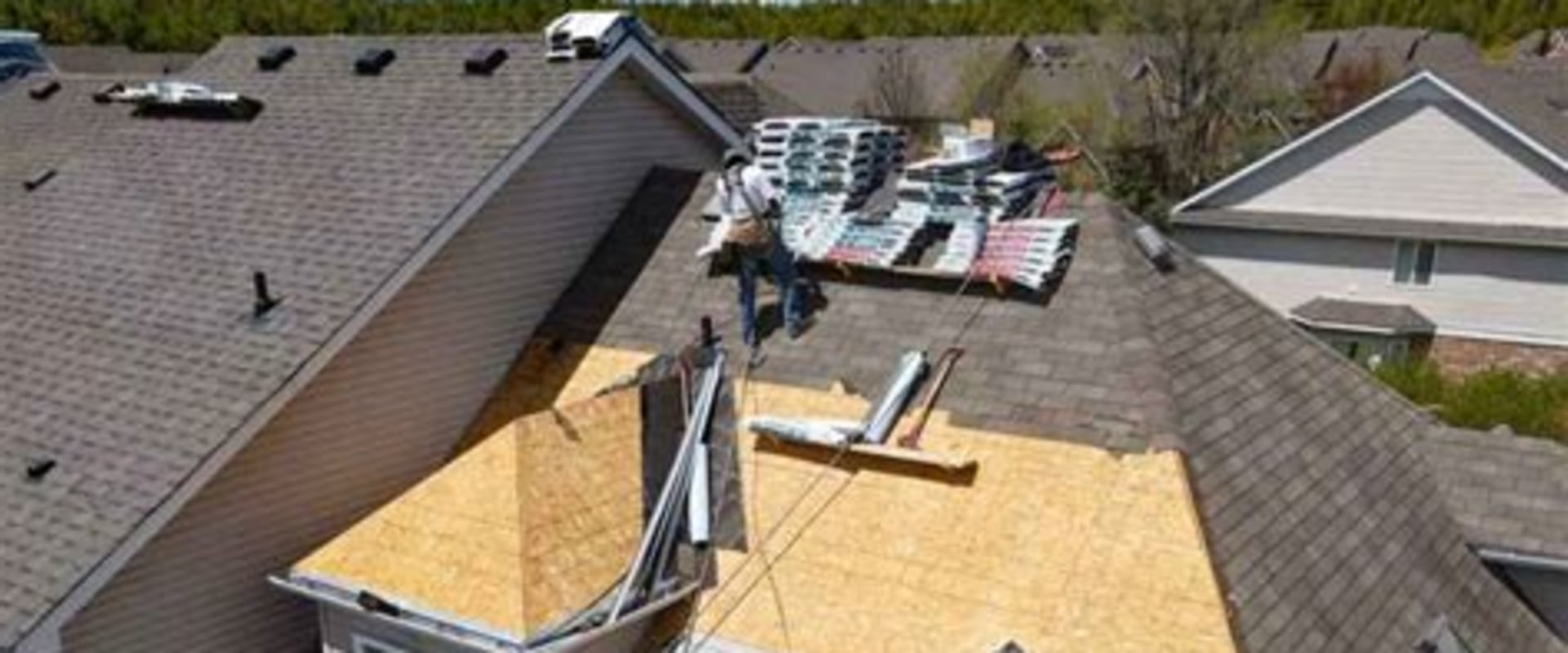
When it comes to home repair and maintenance, one of the most critical areas to focus on is your roof. A well-maintained roof not only protects your home from the elements but also enhances its overall value and curb appeal. However, many homeowners often overlook the signs of common roofing issues, which can lead to more significant problems down the line. Understanding these issues is essential for effective home maintenance, just as implementing proper basement waterproofing measures can save you both time and money. From leaks and missing shingles to sagging structures and poor ventilation, , which can lead to more significant problems down the line. Understanding these issues is essential for effective home maintenance, just as implementing proper basement waterproofing measures can save you both time and money. From leaks and missing shingles to sagging structures and poor ventilation, roofing problems can manifest in various ways.
Each issue presents its own set of challenges, but recognizing them early can make a substantial difference in the longevity of your roof. For instance, a small leak may seem insignificant at first, but if left unaddressed, it can lead to extensive water damage and mold growth within your home. This section will delve into the most prevalent roofing issues that homeowners face, providing insights into their causes and practical solutions. By equipping yourself with this knowledge, you can take proactive steps in your home repair and maintenance efforts, ensuring that your roof remains a sturdy shield against nature's elements.
Leaky Roofs: Causes and Solutions
A leaky roof can lead to significant damage if not addressed promptly. Understanding the common causes of roof leaks is essential for effective home repair and maintenance.Here are some frequent culprits:
- Damaged Shingles: Over time, shingles can become cracked, curled, or completely missing due to weather exposure.
- Improperly Installed Flashing: Flashing is used to direct water away from critical areas of the roof. If not installed correctly, it can allow water to seep in.
- Clogged Gutters: When gutters are blocked, water can back up and seep under the roofing material.
- Punctures or Holes: Debris from storms or falling branches can create holes in the roof, leading to leaks.
- Identify the Source: Inspect your roof for visible signs of damage. Look for missing shingles, rusted flashing, or any other abnormalities.
- Check the Attic: If you notice water stains on your ceiling, go into your attic during a rainstorm to pinpoint where the leak is coming from.
- Repair Damaged Shingles: Replace any cracked or missing shingles. For minor cracks, you can use roofing cement to seal them temporarily.
- Fix Flashing Issues: If the flashing is loose or damaged, reapply roofing cement or replace it entirely to ensure a watertight seal.
- Clear Gutters: Regularly clean your gutters to prevent blockages that can lead to water backup.
Addressing roof leaks quickly will help maintain the integrity of your home and prevent costly repairs down the line.
Damaged Shingles: Identification and Repair
Identifying damaged shingles is crucial for maintaining the integrity of your roof. Common signs of shingle damage include curling, cracking, or missing shingles. Additionally, granule loss can be observed in the gutters or at the base of the downspouts, indicating that your shingles are deteriorating.There are several types of damage that can occur to shingles:- Curling: This often results from age or improper installation, where the edges of the shingles lift away from the roof.
- Cracking: Shingles can crack due to extreme weather conditions or thermal expansion and contraction.
- Missing Shingles: High winds or severe storms can dislodge shingles, leaving your roof vulnerable to leaks.
- Granule Loss: This can be a sign of aging shingles and may lead to further deterioration if not addressed.
- Assess the Damage: Inspect your roof from the ground using binoculars or safely climb onto the roof to get a closer look.
- Gather Materials: You will need replacement shingles, roofing nails, a hammer, and roofing cement.
- Remove Damaged Shingles: Carefully lift the edges of surrounding shingles and remove nails with a pry bar. Take out the damaged shingle.
- Install New Shingles: Slide the new shingle into place, ensuring it aligns with existing shingles.
Secure it with nails and apply roofing cement under the edges for added protection.
- Check for Additional Damage: After replacing damaged shingles, inspect for any other issues that may need attention.
Poor Ventilation: Impact on Roofing Health
Proper roof ventilation is crucial for maintaining the health of your roofing system and the overall integrity of your home. When ventilation is inadequate, it can lead to a host of problems that not only affect your roof but also your entire living environment.Effects of Poor Ventilation
- Heat Accumulation: Inadequate airflow can cause heat to build up in the attic, leading to increased temperatures that can damage roofing materials and shorten their lifespan.
- Moisture Buildup: Poor ventilation traps moisture, which can result in mold growth, wood rot, and even structural damage over time.
- Energy Inefficiency: A poorly ventilated roof can lead to higher energy bills as your HVAC system works harder to maintain comfortable indoor temperatures.
Fixing Roof Ventilation
- Install Soffit Vents: These vents are located under the eaves of your roof and allow cool air to enter the attic, promoting better airflow.
- Add Ridge Vents: Placed at the peak of the roof, ridge vents enable hot air to escape, creating a balanced airflow system when combined with soffit vents.
- Use Gable Vents: If your home has gable ends, installing gable vents can help facilitate cross-ventilation in the attic space.
- Consider Attic Fans: For homes with significant ventilation issues, powered attic fans can actively pull hot air out of the attic, enhancing overall airflow.
Moss and Algae Growth: Prevention and Treatment
Moss and algae growth on roofs is a common issue that can lead to significant damage if not addressed promptly.These organisms thrive in damp, shaded areas and can cause premature deterioration of roofing materials, particularly asphalt shingles. Understanding how to prevent and treat this problem is essential for maintaining the integrity of your roof.
Understanding the Impact
Moss retains moisture, which can lead to the breakdown of roofing materials over time. Algae, on the other hand, can create unsightly black streaks on shingles, affecting your home's curb appeal. Both can trap debris and promote further growth, leading to a cycle of damage.Prevention Methods
- Trim Overhanging Branches: Ensure that tree branches do not shade your roof, as sunlight helps keep the surface dry.
- Install Zinc or Copper Strips: Placing metal strips along the ridge of your roof can help inhibit moss and algae growth.
Rainwater will wash small amounts of these metals down the roof, creating an environment less conducive to growth.
- Regular Cleaning: Schedule routine inspections and cleanings to remove debris that can trap moisture.
Treatment Options
If you already have moss or algae on your roof, there are effective methods for removal:- Use a Moss Killer: Apply a commercial moss killer specifically designed for roofs. Follow the manufacturer's instructions for safe application.
- Homemade Solutions: A mixture of water and vinegar or baking soda can be effective in treating small patches of moss or algae. Spray the solution directly onto the affected areas and let it sit before rinsing off.
- Pressure Washing: While effective, this method should be used with caution as it can damage shingles if not done properly. Always use a low-pressure setting and maintain a safe distance from the roof surface.
Flashing Failures: Recognizing and Fixing Issues
Roof flashing plays a crucial role in protecting your home from water intrusion.It is typically made of metal and is installed at joints and seams where the roof meets walls, chimneys, or vents. However, over time, flashing can fail due to various factors, leading to leaks and water damage.
Common Causes of Flashing Failures
- Improper Installation: If flashing is not installed correctly, it may not direct water away from vulnerable areas.
- Corrosion: Metal flashing can corrode over time, especially in areas with high moisture or salt exposure.
- Weather Damage: Extreme weather conditions, such as heavy rain or snow, can cause flashing to become loose or damaged.
- Sealant Deterioration: The sealant used around flashing can degrade, allowing water to seep underneath.
- Water stains on ceilings or walls inside your home.
- Mold or mildew growth in areas near the roof.
- Visible gaps or cracks in the flashing material.
- Bubbling or peeling paint on exterior surfaces near the roofline.
- Inspect the Area: Carefully examine the flashing and surrounding roofing materials for damage.
- Remove Damaged Flashing: Use a pry bar to carefully remove any damaged sections of flashing.
- Clean the Surface: Ensure that the area beneath the flashing is clean and free of debris before installation.
- Install New Flashing: Cut new flashing to size and secure it in place using roofing nails. Ensure it overlaps existing roofing materials properly.
- Seal Joints: Apply a high-quality roofing sealant around the edges of the new flashing to prevent leaks.
Regular maintenance and inspections can help catch flashing issues early, saving you time and money in the long run.
Gutter Problems: Maintenance Tips for Homeowners
Gutters play a crucial role in protecting your home from water damage, but they can often fall victim to various issues that compromise their effectiveness. Understanding these common gutter problems and how to address them is essential for any homeowner looking to maintain their property.Clogged Gutters
One of the most prevalent issues is clogged gutters, which can lead to water overflow and damage to your roof and foundation. Leaves, twigs, and debris can accumulate, preventing water from flowing freely. To prevent clogs:
- Regularly clean your gutters at least twice a year, ideally in the spring and fall.
- Consider installing gutter guards to minimize debris buildup.
Leaking Gutters
Leaks can occur due to rust, holes, or improper sealing.
If you notice water dripping from your gutters, it’s important to act quickly:
- Inspect the seams and joints for any signs of wear or damage.
- Use a sealant specifically designed for gutters to patch small leaks.
- If the damage is extensive, you may need to replace sections of the gutter.
Poorly Installed Gutters
If your gutters are not sloped correctly, water may pool instead of draining away. To fix this:
- Check the slope by using a level; it should tilt towards the downspouts.
- If necessary, adjust the hangers or brackets to create the proper angle.
Rust and Corrosion
Metal gutters are susceptible to rust over time. To combat this:
- Inspect for rust spots regularly and treat them with rust-inhibiting paint.
- If corrosion is severe, consider replacing the affected sections with new materials.
Signs Your Roof Needs Professional Help
As a homeowner, it’s crucial to be vigilant about the condition of your roof.Ignoring signs of roof damage can lead to costly repairs down the line. Here are some key indicators that it may be time to call a professional roofer:
- Visible Damage: Look for missing, cracked, or curling shingles. These are clear signs that your roof is compromised and may require immediate attention.
- Water Stains: Check your ceilings and walls for water stains or discoloration. This could indicate leaks in your roof that need to be addressed by a professional.
- Moss or Algae Growth: While some growth is normal, excessive moss or algae can trap moisture and lead to further damage.
If you notice this, it’s wise to consult a roofing expert.
- Granules in Gutters: If you find shingle granules in your gutters, it’s a sign that your shingles are deteriorating. This can lead to leaks and should prompt a call to a roofing service.
- Age of the Roof: If your roof is nearing the end of its lifespan (typically 20-25 years for asphalt shingles), it’s prudent to have it inspected regularly.
Frequently Asked Questions About Roofing Issues
Homeowners often have questions about roofing issues, especially when it comes to home repair and maintenance. Here are some of the most frequently asked questions:- What are the signs of a roof leak?
Look for water stains on ceilings or walls, damp spots in the attic, or missing shingles.If you notice any of these signs, it’s crucial to address them promptly to prevent further damage.
- How often should I inspect my roof?
It’s recommended to inspect your roof at least twice a year, ideally in the spring and fall. Additionally, check after severe weather events. - Can I repair my roof myself?
While minor repairs can be done by homeowners, such as replacing a few shingles, it’s best to hire a professional for significant issues. This ensures safety and proper repair. - What is the average lifespan of a roof?
The lifespan varies depending on the material: asphalt shingles last about 20-30 years, while metal roofs can last 40-70 years. Regular maintenance can extend this lifespan. - How do I know if I need a new roof?
If your roof is over 20 years old, has multiple leaks, or shows significant wear and tear, it may be time for a replacement.A professional inspection can provide clarity.
Conclusion: Maintaining a Healthy Roof for Your Home
In conclusion, maintaining a healthy roof is essential for the overall integrity of your home. Throughout this article, we have explored several common roofing issues that homeowners may encounter, such as leaks, missing shingles, and poor ventilation. Each of these problems can lead to significant damage if not addressed promptly. Regular maintenance is key to preventing these issues from escalating.Here are some important takeaways:
- Inspect your roof regularly: Conduct visual inspections at least twice a year and after severe weather events. Look for signs of wear, such as cracked or curling shingles.
- Clean gutters and downspouts: Clogged gutters can lead to water pooling on your roof, increasing the risk of leaks. Ensure they are clear of debris to facilitate proper drainage.
- Address minor repairs immediately: If you notice a small leak or a few missing shingles, take action right away. Delaying repairs can lead to more extensive damage and higher repair costs.
- Consider professional inspections: Hiring a roofing professional for an annual inspection can help identify potential issues before they become serious problems.
Remember, a well-maintained roof not only enhances the aesthetic appeal of your home but also contributes to its overall value and safety.