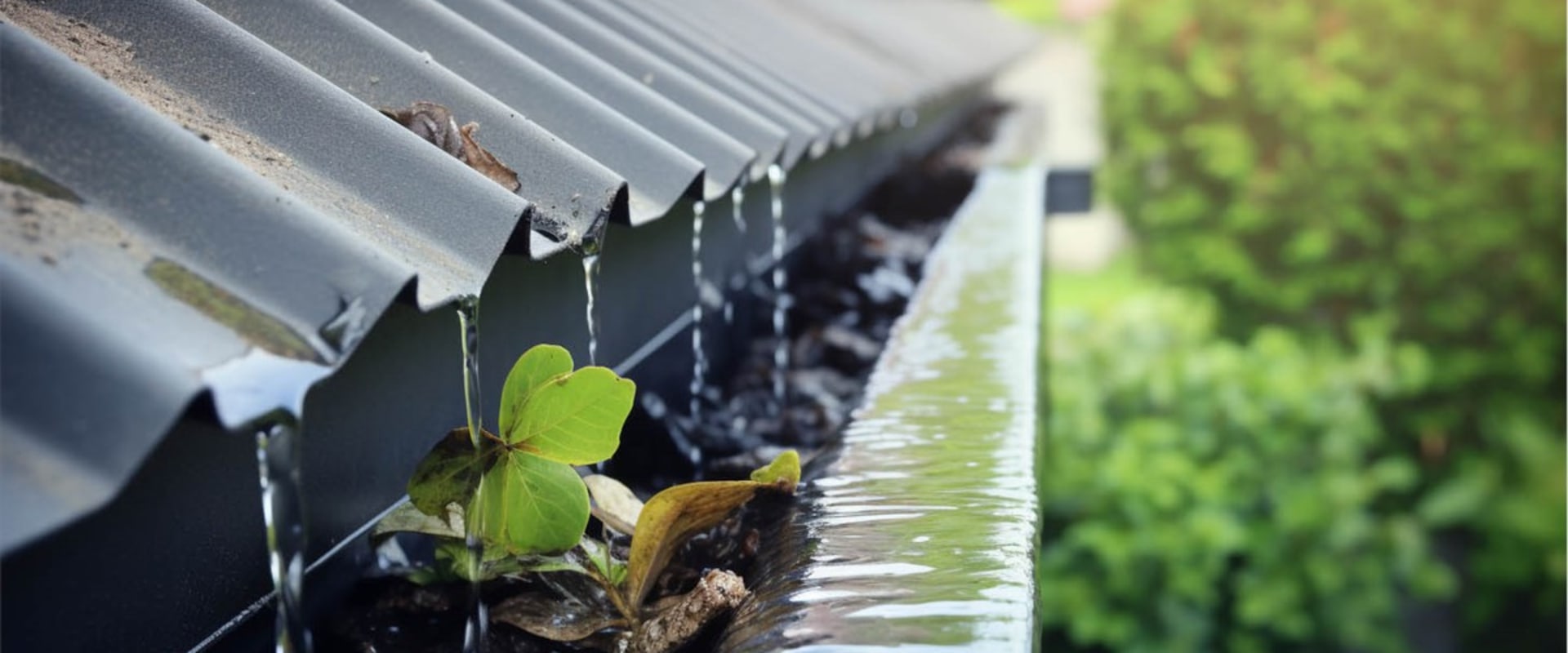
Maintaining your home is a multifaceted endeavor, and one of the most critical yet often overlooked aspects is gutter maintenance. Gutters and downspouts play a vital role in directing rainwater away from your home’s foundation, preventing potential damage that can lead to costly repairs. When gutters are clogged with leaves, debris, or even ice, they can overflow, causing water to pool around your home. This can result in serious issues such as basement flooding, mold growth, and structural damage.
To avoid these problems, consider some effective diy drain cleaning methods to keep your gutters clear. Understanding the To avoid these problems, consider some effective diy drain cleaning methods to keep your gutters clear. Understanding the importance of gutter cleaning goes beyond just aesthetics; it is about safeguarding your investment. Regular upkeep of your gutters ensures that they function effectively, allowing rainwater to flow freely and reducing the risk of water-related problems. Neglecting this essential task can lead to a cascade of issues that not only affect the exterior of your home but also compromise its interior integrity. The benefits of gutter maintenance extend beyond prevention. Clean gutters can enhance the lifespan of your roofing system and prevent pests from nesting in stagnant water.
Additionally, maintaining clear gutters can improve your home’s curb appeal and increase its value. By prioritizing gutter cleaning as part of your home repair and maintenance routine, you are taking proactive steps to protect your property and ensure its longevity.
How Often Should You Clean Your Gutters?
Cleaning your gutters is an essential part of home repair and maintenance, but the frequency with which you should do it can vary significantly based on several factors. Understanding these factors can help you establish a practical gutter cleaning schedule.Location Matters
- If you live in an area with heavy rainfall, you may need to clean your gutters more frequently, perhaps every 3 to 4 months.
- In contrast, if you reside in a drier climate, cleaning them twice a year might suffice.
Weather Conditions
- Regions that experience severe storms or high winds can lead to increased debris accumulation, necessitating more frequent cleanings.
- Winter weather can also impact gutter performance; ice and snow can cause blockages that require additional attention.
Surrounding Vegetation
- If your home is surrounded by trees, especially deciduous ones, you should plan to clean your gutters more often. Leaves can clog gutters quickly, particularly in the fall.
- Consider cleaning your gutters after significant leaf drop periods to prevent buildup.
General Recommendations
- As a general rule, homeowners should aim to clean their gutters at least twice a year: once in the spring and once in the fall.
- However, if you notice any signs of blockage or water overflow during rainstorms, it’s wise to inspect and clean them immediately.
Regular maintenance not only protects your home but also extends the lifespan of your gutters and downspouts.
Signs That Your Gutters Need Cleaning
Keeping an eye on your gutters is essential for maintaining the integrity of your home. Here are some signs that your gutters need cleaning:- Overflowing Water: If you notice water spilling over the sides of your gutters during a rainstorm, it’s a clear indication that they are clogged. This can lead to water damage on your roof and foundation.
- Pooling Water: Check for standing water around your home’s foundation. If water is pooling near the base of your house, it may be due to blocked downspouts or gutters.
- Visible Debris: If you can see leaves, twigs, or other debris in your gutters, it’s time to clean them out.
Even a small amount of buildup can lead to bigger problems.
- Rust or Corrosion: Look for signs of rust on metal gutters. This can indicate prolonged exposure to moisture due to clogs, which can weaken the gutter system.
- Pest Infestations: If you notice an increase in insects or birds around your gutters, they may be nesting in the debris. This is a sign that your gutters need attention.
- Mold or Mildew: The presence of mold or mildew on the exterior walls of your home can suggest that water is not draining properly from your gutters.
Seasonal Considerations for Gutter Cleaning
Understanding the seasonal considerations for gutter cleaning is essential for maintaining the integrity of your home.Each season presents unique challenges that can affect the performance of your gutters and downspouts.
Fall Gutter Maintenance
As leaves begin to fall, autumn becomes a critical time for gutter maintenance. Clogged gutters can lead to water overflow, which may damage your roof, siding, and foundation. It is advisable to clean your gutters at least twice during the fall:- Once in early fall, before the majority of leaves drop.
- Again in late fall, after most leaves have fallen.
Winter Gutter Care
During winter, gutters can be affected by ice dams and snow accumulation. If gutters are not cleaned before the first snowfall, debris can trap moisture, leading to ice formation.To mitigate this risk:
- Inspect your gutters for any remaining debris after the last fall cleaning.
- Consider installing heat cables to prevent ice buildup in particularly cold areas.
Spring and Summer Considerations
While this section focuses on fall and winter, it’s also important to note that spring and summer maintenance is crucial. After winter, inspect your gutters for any damage caused by ice or heavy snow. Cleaning should occur at least once in early spring to remove any debris that may have accumulated over the winter months.In summary, a seasonal cleaning schedule—especially focusing on fall and winter—can significantly enhance the longevity and functionality of your gutters and downspouts. By staying proactive with your home repair and maintenance, you can avoid more serious issues down the line.DIY Gutter Cleaning vs.
Hiring ProfessionalsWhen it comes to gutter cleaning, homeowners often face the dilemma of whether to tackle the job themselves or hire a professional service. Each option has its own set of advantages and disadvantages that can influence your decision.
DIY Gutter Cleaning Tips
If you choose to clean your gutters yourself, there are several DIY gutter cleaning tips to ensure the task is done safely and effectively:- Safety First: Always use a sturdy ladder and consider wearing a harness for added safety. Make sure the ladder is on stable ground.
- Gather the Right Tools: Equip yourself with gloves, a trowel, a bucket, and a garden hose. A gutter scoop can also be helpful for removing debris.
- Check for Damage: While cleaning, inspect your gutters for any signs of damage or wear that may need repair.
- Flush with Water: After removing debris, use a garden hose to flush out the gutters and downspouts, ensuring they are clear of blockages.
Professional Gutter Services
On the other hand, hiring a professional gutter service can save you time and provide peace of mind.Here are some reasons to consider this option:
- Expertise: Professionals have the experience and knowledge to handle various gutter systems and can identify potential issues that may go unnoticed by an untrained eye.
- Safety: Professionals are equipped with the right tools and safety gear, reducing the risk of accidents associated with ladder work.
- Time-Saving: Hiring experts allows you to focus on other home maintenance tasks while they handle the gutter cleaning efficiently.
When to Hire a Pro for Gutters
While DIY cleaning can be effective for minor maintenance, there are specific situations where hiring a professional is advisable:- If your home has multiple stories or hard-to-reach areas.
- If you notice persistent clogs or water damage around your home.
- If you lack the time or physical ability to perform the task safely.
Tools and Techniques for Effective Gutter Cleaning
Cleaning your gutters and downspouts is an essential part of home repair and maintenance. To do this effectively, having the right tools and techniques is crucial. Below is a list of essential tools you should consider for a successful gutter cleaning experience.- Ladder: A sturdy ladder is vital for reaching your gutters safely.
Ensure it is placed on a flat surface and extends at least three feet above the edge of the roof.
- Gloves: Protect your hands from sharp debris and potential contaminants by wearing durable gloves.
- Gutter Scoop: A gutter scoop or trowel can help you remove leaves, dirt, and other debris quickly and efficiently.
- Bucket: Use a bucket to collect debris as you clean, minimizing mess and making disposal easier.
- Garden Hose: A garden hose with a spray nozzle can help flush out remaining dirt and check for clogs in downspouts.
- Start from the Downspout: Begin cleaning near the downspout to ensure that debris flows easily towards it.
- Work in Sections: Clean one section of the gutter at a time to avoid missing spots and to keep the process organized.
- Flush with Water: After scooping out debris, use your garden hose to flush out any remaining dirt and check for proper drainage.
- Never Overreach: Always keep your body centered on the ladder rungs to maintain balance.
- Use a Spotter: If possible, have someone hold the ladder for added stability while you work.
Preventative Measures to Reduce Gutter Maintenance Needs
Maintaining your gutters is essential for the longevity of your home, but frequent cleanings can be a hassle. Implementing preventative measures can significantly reduce the need for regular gutter maintenance. Here are some effective strategies to consider:- Install Gutter Guards: One of the most effective ways to minimize gutter cleaning is by installing gutter guards.
These protective covers prevent leaves, twigs, and other debris from entering your gutters while allowing water to flow freely. By blocking out larger debris, gutter guards can extend the time between cleanings and reduce the risk of clogs.
- Regular Inspections: Conducting regular inspections of your gutters and downspouts can help you catch potential issues before they escalate. Aim to inspect your gutters at least twice a year, ideally in the spring and fall. Look for signs of wear, rust, or sagging, and address any problems promptly.
- Trim Overhanging Branches: If you have trees near your home, consider trimming back any overhanging branches.
This will not only reduce the amount of debris that falls into your gutters but also minimize the risk of damage during storms.
- Clean Your Roof: Keeping your roof clean is another important aspect of gutter maintenance. Remove leaves and debris from your roof regularly to prevent them from washing into your gutters during rainstorms.
FAQs About Gutter Cleaning and Maintenance
When it comes to gutter cleaning and maintenance, homeowners often have several questions. Here are some of the most frequently asked questions that can help clarify the importance of keeping your gutters in top shape.How often should I clean my gutters?
It is generally recommended to clean your gutters at least twice a year: once in the spring and once in the fall.However, if you live in an area with many trees, you may need to clean them more frequently, perhaps every three months. Regular cleaning helps prevent clogs that can lead to water damage.
What are the signs that my gutters need cleaning?
- Overflowing water: If you notice water spilling over the sides of your gutters during rain, it’s a clear sign they are clogged.
- Pooling water: Water pooling around your home’s foundation can indicate that your gutters are not directing water away properly.
- Visible debris: If you can see leaves, twigs, or other debris in your gutters, it’s time for a cleaning.
Can I clean my gutters myself?
Yes, many homeowners choose to clean their own gutters. However, it’s important to take safety precautions. Use a sturdy ladder and consider wearing gloves and eye protection.If you’re uncomfortable with heights or have a multi-story home, hiring a professional may be the best option.
What tools do I need for gutter cleaning?
- Ladder: A stable ladder is essential for reaching your gutters safely.
- Gloves: Protect your hands from sharp debris and dirt.
- Trowel or scoop: These tools can help you remove debris effectively.
- Garden hose: Use it to flush out any remaining dirt and check for proper drainage.
Conclusion: Keeping Your Gutters in Top Shape
In conclusion, maintaining your gutters and downspouts is a crucial aspect of home repair and maintenance that should not be overlooked. Regular cleaning and inspection can prevent a myriad of issues, including water damage, mold growth, and even structural problems. By adhering to a consistent maintenance schedule, you can ensure that your home remains protected from the elements.To summarize the key points discussed:- Frequency of Cleaning: It is generally recommended to clean your gutters at least twice a year, ideally in the spring and fall.
However, if you live in an area with heavy foliage or frequent storms, more frequent cleanings may be necessary.
- Signs of Clogged Gutters: Be vigilant for signs such as overflowing water, sagging gutters, or visible debris. These indicators suggest that your gutters need immediate attention.
- DIY vs. Professional Help: While many homeowners can handle gutter cleaning themselves, hiring a professional can save time and ensure safety, especially for those uncomfortable with heights.
- Preventative Measures: Installing gutter guards or screens can significantly reduce the amount of debris that enters your gutters, making maintenance easier.
Remember, a little effort goes a long way in ensuring that your home remains safe and sound.