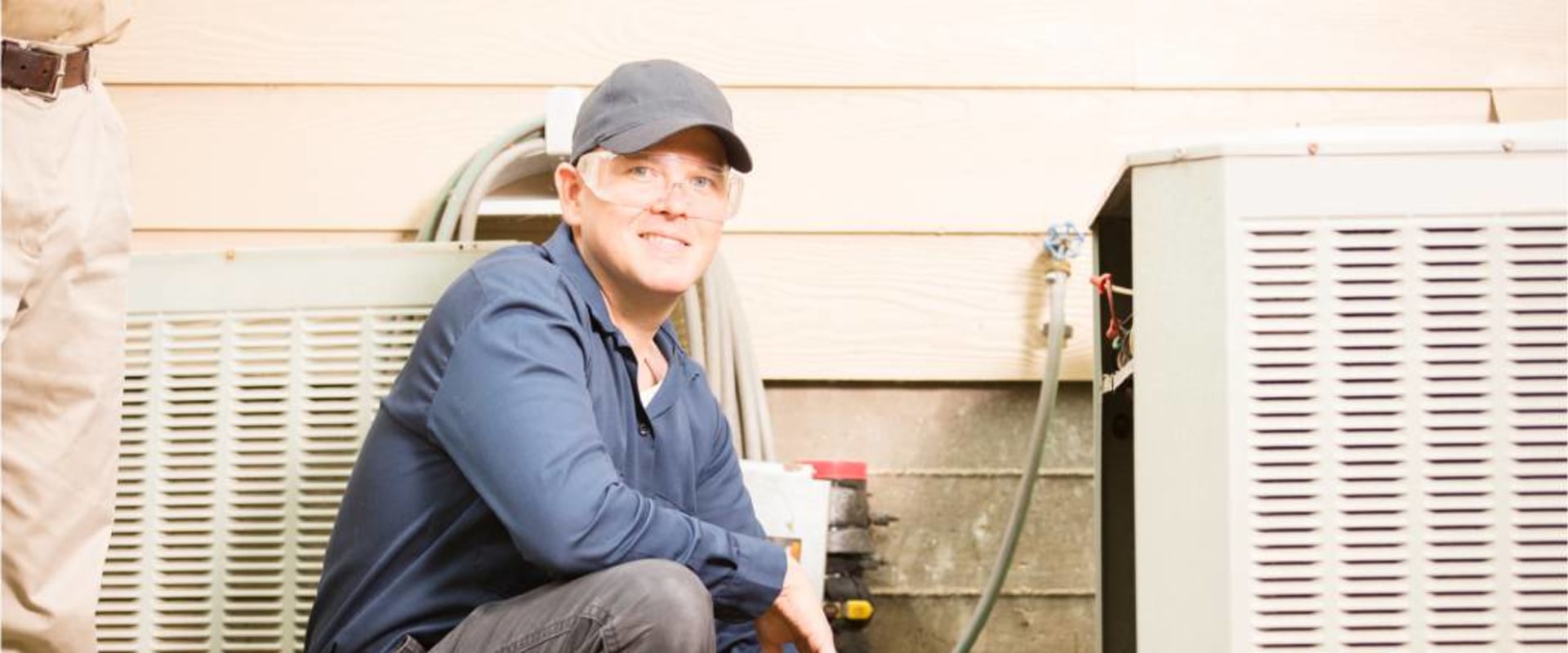
In today's modern homes, HVAC systems play a pivotal role in ensuring comfort and maintaining a healthy indoor environment. These systems, which encompass heating, ventilation, and air conditioning, are essential for regulating temperature and air quality throughout the year. Understanding the basics of how these systems operate is crucial for homeowners who wish to optimize their home repair and maintenance efforts. The importance of a well-functioning HVAC system cannot be overstated. Not only does it provide warmth during the cold winter months and cool relief in the sweltering summer heat, but it also contributes significantly to energy efficiency.
A properly maintained HVAC system can lead to lower energy bills and a reduced carbon footprint, making it an essential component of sustainable living. However, many homeowners overlook the necessity of regular professional servicing. Just like any other critical home system, HVAC units require routine checks to ensure they operate at peak efficiency. Neglecting this aspect of home maintenance can lead to unexpected breakdowns, costly repairs, and even health issues due to poor air quality. By understanding the importance of HVAC systems and committing to regular maintenance, homeowners can enhance their comfort while safeguarding their investment.
The Recommended Frequency for HVAC Service
When it comes to maintaining your home's HVAC system, understanding the recommended frequency for service is crucial for ensuring optimal performance and longevity.Generally, it is advisable to have your HVAC system serviced by a professional at least twice a year. This schedule typically includes one service in the spring and another in the fall, aligning with the changing seasons when your system is most heavily utilized.
Spring Service:
During the spring, a professional can prepare your air conditioning unit for the warmer months ahead. This service often includes checking refrigerant levels, cleaning coils, and inspecting electrical components to ensure everything is functioning efficiently.
Fall Service:
In the fall, a thorough inspection of your heating system is essential. Technicians will check for any potential issues that could arise during the winter months, such as inspecting the furnace, cleaning filters, and ensuring proper airflow.However, regional variations can influence how often you should schedule these services.
For instance:
- In warmer climates: Homeowners may rely more on their air conditioning systems, necessitating more frequent checks—potentially three times a year.
- In colder regions: Heating systems may require additional attention before the winter season, especially if they are older or less efficient.
Signs Your HVAC System Needs Immediate Attention
Recognizing the warning signs of an underperforming HVAC system is crucial for maintaining a comfortable home environment. Ignoring these signs can lead to more significant issues and costly repairs down the line.Here are some common indicators that your HVAC system may need immediate professional attention:
- Unusual Noises: If you hear strange sounds such as banging, clanking, or hissing coming from your HVAC unit, it could indicate a mechanical issue. These noises often suggest that components are loose or damaged, requiring prompt inspection.
- Inconsistent Temperatures: Are some rooms in your home significantly warmer or cooler than others? This inconsistency can signal problems with your ductwork or the HVAC system itself, necessitating a professional evaluation.
- Increased Energy Bills: A sudden spike in your energy bills without a corresponding increase in usage may indicate that your HVAC system is working harder than it should. This inefficiency often points to underlying issues that need addressing.
- Foul Odors: Unpleasant smells emanating from your HVAC system can be a sign of mold growth or electrical issues. If you detect any strange odors, it’s essential to call a professional immediately.
- Frequent Cycling: If your HVAC system turns on and off more frequently than usual, it may be struggling to maintain the desired temperature.
This could be due to a malfunctioning thermostat or other mechanical problems.
- Humidity Issues: An HVAC system should help regulate humidity levels in your home. If you notice excessive humidity or dryness, it may indicate that your system is not functioning correctly.
Benefits of Regular HVAC Maintenance
Regular maintenance of your HVAC system is not just a good idea; it’s essential for ensuring optimal performance and longevity. Here are some key benefits of HVAC maintenance that highlight why you should prioritize professional servicing:- Improved Efficiency: A well-maintained HVAC system operates more efficiently, which means it uses less energy to heat or cool your home.
This efficiency translates into lower utility bills, making regular maintenance a cost-effective choice.
- Cost Savings: By investing in routine professional care, you can prevent minor issues from escalating into major repairs. Regular check-ups can identify potential problems early, saving you money in the long run.
- Extended Lifespan: Just like any other appliance, your HVAC system has a lifespan that can be significantly extended with proper care. Regular maintenance helps keep components in good working order, reducing wear and tear.
- Enhanced Air Quality: Professional servicing includes cleaning and replacing filters, which helps improve indoor air quality. This is particularly important for households with allergies or respiratory issues.
- Peace of Mind: Knowing that your HVAC system is regularly serviced by professionals gives you confidence that it will perform reliably when you need it most, especially during extreme weather conditions.
From improved efficiency and cost savings to enhanced air quality and peace of mind, regular maintenance is an investment that pays off in numerous ways. Don’t wait for a breakdown; schedule your HVAC service today to enjoy these benefits!
DIY vs. Professional HVAC Maintenance: What You Can Do Yourself
When it comes to maintaining your HVAC system, understanding the balance between DIY tasks and those that require professional expertise is crucial for effective home repair and maintenance. While some maintenance tasks can be easily handled by homeowners, others should be left to trained professionals to ensure safety and efficiency.DIY HVAC Maintenance Tips
- Change Air Filters: Regularly replacing your air filters is one of the simplest yet most effective ways to maintain your HVAC system.
Aim to change them every 1-3 months, depending on usage.
- Clean Vents and Registers: Dust and debris can accumulate in vents, reducing airflow. Regularly vacuuming these areas helps maintain optimal performance.
- Inspect Ductwork: Look for any visible signs of wear or leaks in your ductwork. Sealing small gaps can improve efficiency.
- Clear Outdoor Units: Ensure that the outdoor condenser unit is free from debris, such as leaves or dirt, which can obstruct airflow.
Professional vs DIY HVAC Care
While DIY tasks are beneficial, certain aspects of HVAC maintenance should always be performed by professionals:- Annual Inspections: A professional technician can conduct a thorough inspection of your system, identifying potential issues that may not be visible to the untrained eye.
- Refrigerant Checks: Handling refrigerants requires specialized knowledge and certification. Professionals ensure that levels are correct and safe.
- Complex Repairs: Any significant repairs or replacements, such as a malfunctioning compressor or electrical issues, should be left to experts to avoid further damage or safety hazards.
This not only extends the lifespan of your system but also ensures that your home remains comfortable and energy-efficient throughout the year.
What to Expect During a Professional HVAC Service Visit
When you schedule a professional HVAC service visit, you can expect a thorough examination of your system to ensure it operates efficiently and effectively. Here’s a breakdown of what typically happens during an HVAC maintenance visit:- Initial Inspection: The technician will start with a visual inspection of your HVAC system, checking for any obvious signs of wear or damage.
- Filter Replacement: One of the first tasks is often to replace or clean the air filters. Clogged filters can significantly reduce efficiency and air quality.
- Thermostat Calibration: The technician will check the thermostat settings to ensure they are accurate and functioning properly, which is crucial for maintaining comfortable temperatures.
- Electrical Components Check: All electrical connections will be inspected for tightness and corrosion. This includes checking the capacitor and contactor for any signs of wear.
- Refrigerant Levels: The technician will check the refrigerant levels in your system.
Low refrigerant can indicate leaks, which need to be addressed promptly.
- Coil Cleaning: Both the evaporator and condenser coils will be cleaned to remove dirt and debris that can hinder performance.
- Duct Inspection: If applicable, the technician may inspect the ductwork for leaks or blockages that could affect airflow.
Cost Considerations for Professional HVAC Maintenance
When considering HVAC maintenance costs, it's essential to understand that prices can vary significantly based on several factors. On average, homeowners can expect to pay between $75 and $150 for a routine service call.This typically includes a thorough inspection, cleaning, and minor adjustments to ensure the system operates efficiently.However, the total cost of HVAC service can fluctuate based on:
- Location: Service rates can differ by region due to local labor costs and demand for HVAC services.
- System Type: The complexity of your HVAC system—whether it’s a central air conditioning unit, heat pump, or furnace—can influence pricing. More complex systems may require specialized knowledge, leading to higher service fees.
- Service Frequency: Regular maintenance contracts often offer savings. Many companies provide annual plans that can reduce the cost per visit and ensure your system is serviced consistently.
- Additional Repairs: If your technician identifies issues during a routine check-up, additional repairs may be necessary, which can increase the overall cost.
This proactive approach not only helps in managing costs but also extends the lifespan of your HVAC system, ultimately saving you money in the long run.In summary, while the initial costs of professional HVAC maintenance may seem daunting, investing in regular servicing is crucial for maintaining efficiency and preventing costly breakdowns. By understanding the factors that influence pricing and planning accordingly, homeowners can ensure their HVAC systems remain in optimal condition without breaking the bank.
Frequently Asked Questions About HVAC Maintenance
Homeowners often have questions about the maintenance of their HVAC systems. Understanding these common concerns can help ensure your system runs efficiently and lasts longer.How often should I have my HVAC system serviced?
It is generally recommended to have your HVAC system serviced at least once a year. For optimal performance, consider scheduling maintenance twice a year—once in the spring for your air conditioning unit and once in the fall for your heating system.Regular servicing helps identify potential issues before they become major problems.
What does HVAC maintenance include?
A typical HVAC maintenance service includes:- Inspecting and replacing air filters
- Cleaning the coils and blower components
- Checking refrigerant levels
- Testing thermostat accuracy
- Inspecting ductwork for leaks
- Ensuring proper airflow and system efficiency
Why is regular HVAC maintenance important?
Regular maintenance is crucial for several reasons:- Improved Efficiency: A well-maintained system operates more efficiently, which can lower energy bills.
- Extended Lifespan: Routine care can prolong the life of your HVAC system, saving you money on premature replacements.
- Enhanced Air Quality: Regular servicing helps maintain clean air filters and ducts, improving indoor air quality.
- Fewer Repairs: Identifying and addressing minor issues during maintenance can prevent costly repairs down the line.
What should I do if my HVAC system is not working properly?
If you notice any unusual noises, inconsistent temperatures, or increased energy bills, it may be time to call a professional. Ignoring these signs can lead to more significant issues. Always consult with a qualified technician to diagnose and resolve problems effectively.By addressing these common questions and concerns, homeowners can take proactive steps in maintaining their HVAC systems, ensuring comfort and efficiency throughout the year.Conclusion: Keeping Your Home Comfortable Year-Round with Proper HVAC Care
In conclusion, ensuring your HVAC system receives regular professional servicing is crucial for maintaining a comfortable home environment throughout the year. By adhering to a consistent maintenance schedule, you not only enhance the efficiency of your system but also extend its lifespan, ultimately saving you money on costly repairs and energy bills.Key Takeaways:
- Frequency of Service: Aim for at least two professional inspections per year—once in the spring and once in the fall—to prepare your system for seasonal demands.
- Benefits of Regular Maintenance: Regular servicing helps identify potential issues before they escalate, ensuring your HVAC system operates at peak performance.
- Energy Efficiency: A well-maintained HVAC system uses less energy, which translates to lower utility bills and a reduced carbon footprint.
- Indoor Air Quality: Professional maintenance includes cleaning and replacing filters, which significantly improves the air quality in your home.
Don’t wait for a breakdown to take action; schedule your HVAC service today and experience the peace of mind that comes with knowing your home is in good hands.